Corfu is an island of flavors, and among its many treasures are the sweets that tell stories of history, culture and hospitality. Walking through the town or villages you will always find something sweet, whether in a pastry shop, a family kitchen or at a village feast. These traditions are more than recipes. They are part of Corfu’s identity, shaped by Venetian influence, local produce and a love of sharing.
Kumquat, the Golden Fruit
Kumquat is perhaps the most famous sweet symbol of Corfu. The small citrus fruit was introduced in the 19th century by the British, but the island quickly made it its own. Today, kumquat is used in liqueur, spoon sweets, candied peels and jams. Shops in Corfu Town display bright orange bottles of kumquat liqueur, a favorite souvenir for visitors. Its flavor is bittersweet, refreshing and unique to Corfu.
Spoon Sweets and Hospitality
In every Corfiot home, spoon sweets have been a tradition of hospitality. Guests are welcomed with a small spoonful of fruit preserve served with cold water. Corfu makes spoon sweets from figs, grapes, bergamot, cherries and of course kumquat. Each jar is a way of preserving summer’s harvest for the colder months, a taste of sunshine stored in glass.
Loukoumades at Festivals
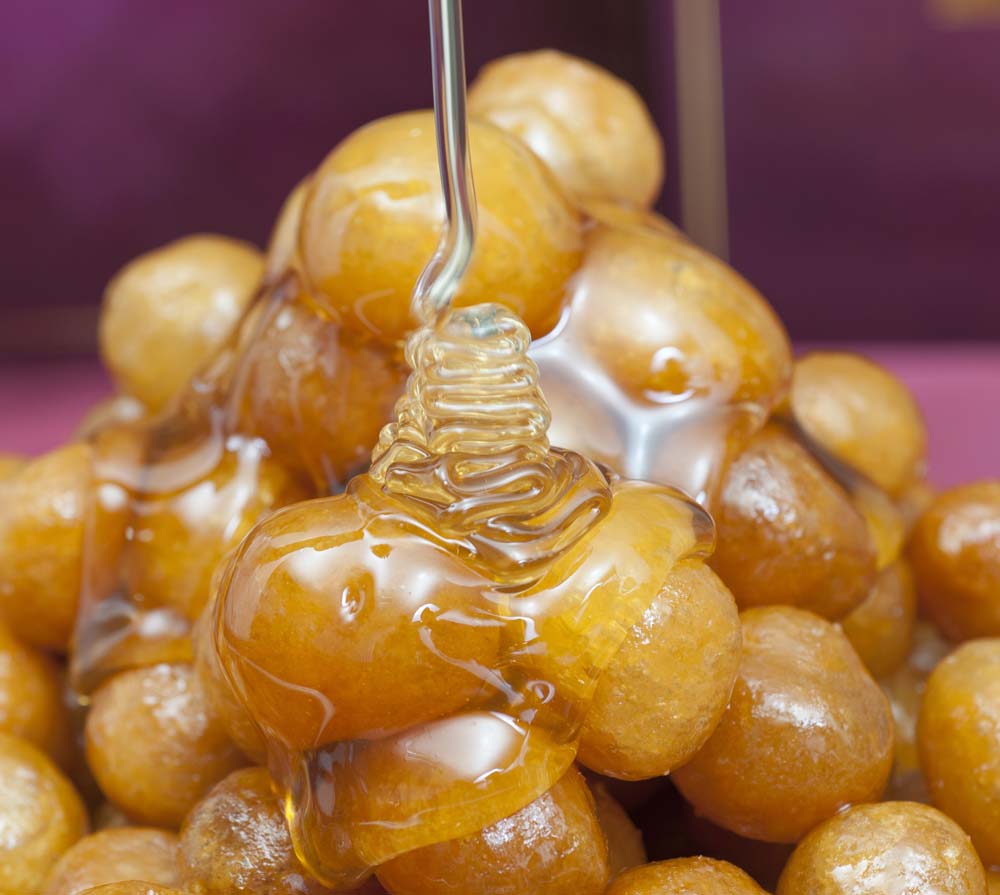
Loukoumades are small honey-soaked dough balls, golden and crispy on the outside, soft inside. In Corfu they are a popular treat at festivals and fairs. Stalls set up in village squares during panigyria sell loukoumades fresh from the pan, sprinkled with cinnamon or sesame. They are more than dessert. They are part of the joyful rhythm of celebration, eaten while music plays and people dance.
Venetian Influences
Centuries of Venetian presence brought pastries and techniques that enriched Corfu’s sweet traditions. Dishes like mandolato, a nougat with honey and almonds, became favorites at weddings and feasts. Fogatsa, a sweet Easter bread similar to Italian panettone, is still baked in Corfiot homes at Easter, symbolizing both faith and festivity.
Local Pastry Shops
Walking through Corfu Town you find pastry shops filled with trays of pasteli (sesame and honey bars), baklava with local honey, and custard pies that mix Greek and Venetian influences. Each village also has its specialties, with recipes passed down through families. In some shops you can still find traditional almond desserts shaped into small symbolic forms for baptisms or weddings.
Honey and Almonds
Many Corfiot sweets are built on two pillars: honey and almonds. Honey reflects the island’s landscapes, flavored by thyme, citrus and heather. Almonds, cultivated since Venetian times, are used in cookies, nougat and festive cakes. Together, they form the base of countless recipes that link Corfu to both the Mediterranean and the East.
Modern Twists
Today chefs and pastry makers experiment with traditional recipes. You can find kumquat cheesecakes, loukoumades with chocolate, or ice creams flavored with bergamot. These new versions keep traditions alive by adapting them to modern tastes, ensuring that Corfu’s sweets remain relevant to new generations.
The Spirit of Sharing
Perhaps the most important aspect of Corfu’s sweet traditions is sharing. A spoon sweet offered to a guest, a plate of loukoumades passed around at a festival, a slice of fogatsa given to neighbors at Easter. These acts show that sweets are not only food but also gestures of community and hospitality.