Table of Contents
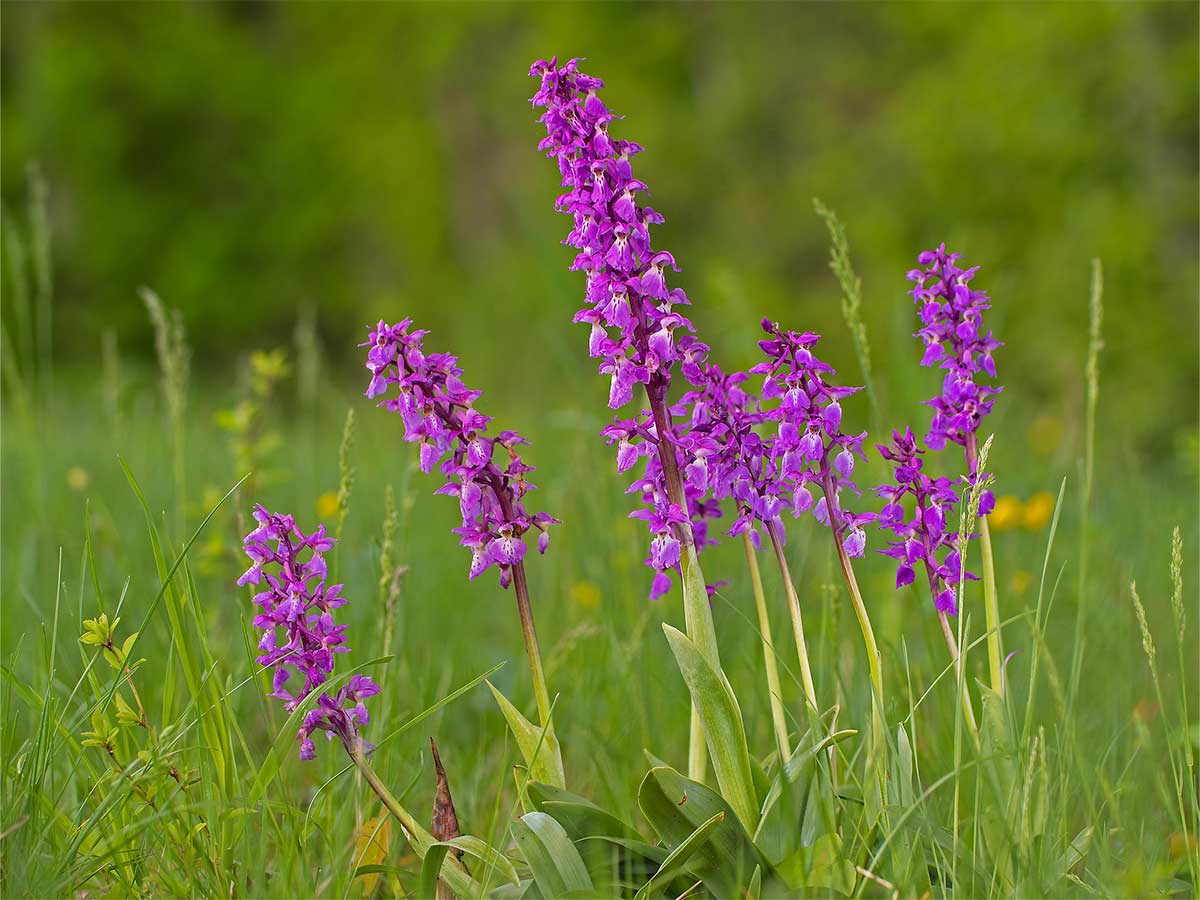
Spring transforms Corfu into botanical theater. Among the wildflowers carpeting meadows and hillsides, orchids claim starring roles. These exquisite plants, with their elaborate flowers mimicking insects or displaying intricate patterns, represent evolutionary artistry millions of years in development. Corfu’s remarkable orchid diversity attracts botanists and nature enthusiasts from across Europe, drawn by opportunities to encounter species rare or absent elsewhere.
Corfu's Wild Orchids: A Botanical Spring Paradise
Orchids constitute one of the world’s largest plant families, with over 25,000 species globally. Most inhabit tropical regions, but temperate zones support significant diversity including Mediterranean orchid communities. These terrestrial species differ dramatically from tropical epiphytes, growing from ground rather than perching on trees. European orchids employ fascinating reproductive strategies. Many practice deception pollination, flowers mimicking female insects so convincingly that males attempt copulation, inadvertently transferring pollen. This pseudocopulation represents extraordinary evolutionary adaptation, flowers evolving shapes, colors, patterns, and even scents matching specific pollinator species.
Corfu’s position creates ideal conditions for orchid diversity. The island sits at Mediterranean biogeographical crossroads where eastern and western species overlap. Mild, wet winters followed by warm springs provide excellent growing conditions. Varied topography from sea level to 900 meters creates multiple microclimates and habitat types.
Traditional agriculture paradoxically benefits orchids. Olive groves, grazed but not plowed, maintain open conditions many orchids require. Moderate grazing prevents competing vegetation from overwhelming smaller plants while avoiding destruction from intensive cultivation. This agricultural landscape, maintained for millennia, created anthropogenic habitats now supporting rich botanical communities.
Limestone geology underlying much of Corfu suits many orchid species. These plants often thrive in alkaline soils developed on limestone parent material. The porous rock also provides excellent drainage preventing waterlogging that damages orchid tubers during winter dormancy.
Major Orchid Genera in Corfu
The Ophrys genus, bee orchids and relatives, provides Corfu’s most spectacular orchids. These masters of insect mimicry produce flowers resembling bees, wasps, flies, or spiders with astonishing accuracy. Colors, textures, and patterns convince male insects of female presence, the deception so effective that insects may prefer flowers to actual females.
Over 20 Ophrys species occur in Corfu, their identification challenging even for experts. Subtle variations in lip shape, speculum pattern, and hair distribution distinguish closely related species. Some authorities consider certain forms distinct species while others classify them as subspecies or varieties, creating taxonomic complexity.
Orchis species, including the pink butterfly orchid and various military and lady orchids, display more conventional flower structures. These orchids, though less bizarre than Ophrys, offer elegant beauty with tall flower spikes bearing numerous blossoms. Several Orchis species produce nectar, employing honest rather than deceptive pollination strategies.
Serapias, tongue orchids, grow abundantly in Corfu’s meadows and olive groves. Their distinctive flowers feature prominent tongues sheltering visiting insects. Colors range from pale pink through deep reddish purple. Multiple species coexist, sometimes hybridizing and creating identification puzzles.
Anacamptis includes pyramidal orchids and relatives, recognizable by dense conical or cylindrical flower heads. These showy species produce strong fragrances attracting butterflies and moths. Their abundance makes them among the most frequently encountered orchids.
Making the Most of Advance Reservations
Beyond securing dates and rates, early booking opens doors to enhanced vacation planning. Time becomes an ally rather than a constraint. Research deepens, allowing travelers to discover Corfu’s hidden corners rather than relying solely on mainstream attractions.
Villa Kapella’s management team can provide insider guidance when contacted well in advance. Local knowledge about seasonal festivals, restaurant reservations at coveted tavernas, boat rental options, and hiking trail conditions becomes available to those who engage early in the planning process.
Special occasions benefit particularly from advance coordination. Whether celebrating milestones, hosting family gatherings, or organizing group retreats, early communication ensures every detail aligns with your vision. Additional services like private chefs, guided excursions, or specialized equipment can be arranged when time permits proper coordination.
Seasonal Progression and Blooming Times
Orchid season begins surprisingly early. In mild winters, the first species appear in February. These early bloomers include certain Ophrys and Serapias adapted to cooler temperatures. Their early emergence provides advantage, flowering before competing vegetation fully develops.
March brings accelerating diversity. Additional species emerge weekly as temperatures rise and day length increases. By month’s end, dozens of species bloom simultaneously. This represents prime time for orchid enthusiasts seeking maximum variety within limited visit duration.
April marks peak season. More species bloom during April than any other month, the landscape adorned with orchid abundance. Meadows, olive groves, and roadside verges display remarkable floral diversity. This month attracts most botanical tourists, guidebooks and tour operators emphasizing April timing.
May extends the season though overall abundance declines. Late blooming species compensate for earlier species finishing. Certain high elevation populations bloom later than lowland equivalents, the cooler mountain temperatures delaying development by weeks.
June sees orchid season concluding. Only stragglers and high elevation populations remain in flower. By month’s end, most orchids enter dormancy, their above ground portions withering as plants retreat to underground tubers. These storage organs sustain plants through hot, dry summer until autumn rains trigger next season’s growth.
Prime Orchid Habitats
Olive groves constitute quintessential orchid habitat in Corfu. The trees provide light shade while their canopy structure allows substantial ground layer vegetation. Traditional management through grazing or minimal mowing maintains open conditions. Thousands of orchids bloom beneath ancient olives, the agricultural and botanical heritage intertwining beautifully.
Meadows and grasslands support different orchid assemblages. Open, sunny conditions favor species requiring maximum light. Grazing pressure determines species composition, moderate grazing generally optimal for orchid diversity. Abandoned meadows gradually develop woody vegetation shading out orchids and other light demanding species.
Roadside verges provide surprisingly productive orchid habitat. These linear habitats remain relatively undisturbed while periodic mowing mimics traditional management. Many easily accessible orchid populations grow along roads, allowing observation without trespassing or damaging agricultural land.
Coastal areas, particularly around Lake Korission, host specialized species adapted to sandy soils and maritime influences. These habitats remain less disturbed than interior agricultural lands, preserving conditions that have disappeared elsewhere. Unique species restricted to coastal habitats make these areas particularly valuable for conservation.
Mountain slopes offer different conditions and species compositions. Cooler temperatures, higher rainfall, and varied aspects create diverse microhabitats. Species rare or absent at lower elevations flourish in montane conditions. Hiking mountain trails rewards botanically minded visitors with encounters unavailable in lowlands.
Conservation Challenges and Threats
Agricultural intensification threatens orchid populations. Conversion of traditional olive groves to intensive cultivation eliminates habitat. Herbicide use along field margins destroys roadside populations. Abandonment of marginal agricultural land allows succession to scrub and forest shading out orchids. Both intensification and abandonment reduce habitat availability.
Development consumes orchid habitat directly through construction while fragmenting remaining populations. Roads, buildings, and infrastructure replace natural and semi natural habitats. Even small scale development cumulatively impacts orchid distributions, particularly near coasts and urban areas where development pressure concentrates.
Collection, though illegal, continues affecting certain populations. Orchid enthusiasts occasionally dig plants for gardens despite poor survival prospects and legal prohibitions. Commercial collectors rarely threaten Corfu’s orchids now, but historical collecting reduced some populations substantially.
Climate change presents emerging threat. Altered rainfall patterns, warmer temperatures, and increased drought frequency may exceed tolerance ranges for some species. Phenological mismatches between orchid flowering and pollinator activity could reduce reproductive success. Long term monitoring will reveal climate change impacts as they develop.
Invasive species compete with native orchids. Certain aggressive introduced plants outcompete native vegetation, transforming habitat unsuitable for orchids. Managing invasive species requires resources often unavailable for conservation programs.
Positive conservation developments include increasing awareness of orchid value. Ecotourism focused on orchid viewing provides economic incentive for habitat protection. Educational programs teach local communities about orchid importance and legal protections. These efforts gradually build conservation constituency.
Photographing Corfu's Orchids
Orchid photography attracts specialists and casual photographers alike. These photogenic subjects reward technical skill and artistic vision. Successful orchid photography requires appropriate equipment, techniques, and respect for subjects.
Macro lenses prove essential for capturing detail. Orchid flowers, though relatively large for European wildflowers, require close focusing capability and magnification revealing intricate structures. Lenses in 90mm to 180mm focal length range offer ideal working distance and magnification.
Lighting determines image quality dramatically. Harsh midday sun creates unflattering contrast and harsh shadows. Overcast conditions provide soft, even illumination ideal for flower photography. Early morning or late afternoon light adds warmth while remaining relatively soft. Flash or reflectors fill shadows when natural light proves inadequate.
Shallow depth of field isolates subjects from distracting backgrounds. Wide apertures blur surroundings while maintaining flower sharpness. This technique, though sometimes overused, proves effective highlighting orchid beauty. Occasionally stopping down includes habitat context within frame.
Wind presents persistent challenge. Even slight breezes move delicate flower stalks, creating blur during exposures. Patience becomes virtue, waiting for momentary stillness between gusts. Windbreaks or gentle support stakes help though care avoids damaging plants. Composition separates good images from great ones. Thoughtful framing, attention to background elements, and varied perspectives prevent repetitive results. Including habitat context occasionally provides environmental portrait contrasting with tight close ups. Multiple approaches to same subject yield varied portfolio.
Ethical considerations govern responsible wildlife photography. Never damage plants or habitat for better images. Avoid trampling surrounding vegetation reaching subjects. Disturb pollinators minimally if photographing orchid pollinator interactions. Leave sites as found, impacts invisible to subsequent visitors.
Orchid Hunting Ethics and Etiquette
Searching for orchids combines botanical knowledge, field skills, and detective work. Successful orchid hunters understand habitat requirements, recognize species from vegetative characteristics, and develop search images helping spot camouflaged plants.
Preparation begins before field visits. Field guides covering Greek orchids provide identification references. Online resources including distribution maps and flowering calendars inform planning. Local botanical societies or expert contacts offer current information about what’s blooming where. Walking slowly and observing carefully reveals orchids others miss. These plants, though sometimes abundant, blend into surroundings effectively. Scanning systematically rather than rushing past prevents overlooking targets. Experience gradually trains eyes recognizing distinctive growth forms and colors.
Recording observations contributes citizen science. Photographs with location data and dates provide valuable distribution and phenology information. Sharing records with botanical databases or local naturalists helps document orchid populations. This data supports conservation planning and monitors population trends.
Group sizes require consideration. Large groups trampling through habitats damage vegetation and disturb wildlife. Small parties minimize impacts while allowing shared discoveries and identifications. Commercial tours should follow established paths and limit group sizes maintaining site integrity. Private property respect remains essential. Much of Corfu’s orchid habitat occurs on private land. Seeking permission before entering, staying on paths when available, and respecting fences and signs maintains good relations between naturalists and landowners. Trespass damages conservation efforts by alienating property owners.
Beyond Orchids: Associated Flora
Orchid habitats support diverse botanical communities beyond orchid species alone. Observing associated plants enriches understanding of ecological relationships while providing additional interest between orchid discoveries. Bulbous plants including anemones, irises, and various lilies share orchid habitats. These colorful species bloom simultaneously with orchids, creating spectacular floral displays. Many employ similar strategies, blooming and setting seed during favorable spring conditions before summer drought.
Aromatic herbs characterize Mediterranean flora. Thyme, oregano, sage, and numerous other species perfume the air while supporting pollinator populations. These herbs demonstrate adaptations to summer drought through essential oils reducing water loss and deterring herbivores. Annual wildflowers contribute ephemeral beauty. Poppies, chamomile, vetch, and countless others germinate with autumn rains, grow through winter, and flower in spring before dying back. Their life cycles synchronized to Mediterranean climate create annual floral spectacles. Grasses provide structural component in orchid habitats. Various species offer different ecological roles, some providing nurse plants for orchid seedlings while others compete for resources. Understanding grass communities helps predict orchid presence and habitat quality.
Orchid Tours and Botanical Tourism
Specialized orchid tours bring enthusiasts to Corfu annually. These guided excursions, led by botanical experts, maximize orchid encounters while ensuring identification accuracy. Tour operators combine field expertise with logistical arrangements creating efficient, productive experiences.
Independent orchid enthusiasts also visit, armed with guidebooks and determination. Self guided exploration offers flexibility and discovery satisfaction though expertise limitations may reduce species identification success. Hybrid approaches combining some guided days with independent exploration balance benefits. Accommodation operators increasingly recognize botanical tourism potential. Some properties specifically market to naturalists, providing local information, maintaining property gardens displaying native plants, and connecting guests with guides or botanical resources.
Economic benefits from orchid tourism accrue to local communities. Accommodation, meals, guides, and transportation generate income. This economic value provides tangible conservation argument, demonstrating how habitat protection supports local livelihoods through sustainable nature based tourism.
Photography workshops focused on orchid and wildflower photography combine botanical interest with photographic instruction. These programs teach both species identification and techniques capturing botanical subjects effectively. Participants return home with images and knowledge applicable to their local flora.
Scientific Research and Discovery
Corfu’s orchids continue attracting scientific attention. Taxonomic studies clarify species boundaries within complex genera where morphological variation creates classification challenges. DNA analysis increasingly supplements traditional morphological taxonomy, revealing evolutionary relationships and species limits.
Pollination biology research documents orchid pollinator interactions. These studies illuminate evolutionary processes producing extraordinary floral diversity while revealing ecological relationships sustaining orchid populations. Understanding pollination requirements informs conservation strategies protecting not just orchids but their pollinators.
Population monitoring tracks long term trends revealing whether populations remain stable, increase, or decline. This data identifies conservation priorities while evaluating management intervention effectiveness. Consistent methodology over years builds datasets documenting change.
Mycorrhizal relationships receive increasing attention. Orchids depend on fungi for germination and often for nutrition throughout life. Research identifying fungal partners and understanding their ecological requirements provides crucial conservation information. Protecting orchids means protecting associated fungal communities.
Climate change impacts represent active research frontier. Long term datasets document phenological shifts as temperatures rise. Experimental studies predict future conditions effects on orchid populations. This research provides early warning of coming challenges requiring conservation responses.
The Future of Corfu's Orchids
Corfu’s orchid heritage faces uncertain future. Ongoing habitat loss, agricultural changes, and climate modification threaten populations despite legal protections and growing conservation awareness. Orchid survival requires active management, not just passive protection.
Habitat restoration could expand orchid populations. Restoring traditional agricultural practices in abandoned areas or managing protected sites to maintain optimal conditions would benefit orchids and associated biodiversity. Such efforts require resources and long term commitment.
Education ensures future generations value orchids sufficiently to support conservation. School programs teaching about local botanical heritage cultivate appreciation. Public outreach through media, events, and interpretive materials raises broader awareness.
Ecotourism properly managed provides both conservation funding and public engagement. Visitors seeking orchids bring economic benefits justifying habitat protection while spreading appreciation beyond specialist circles. Balancing access with conservation requires thoughtful planning.
Corfu’s orchids represent irreplaceable heritage. These botanical jewels, products of millions of years evolution, deserve preservation for their beauty, scientific interest, and role in ecosystems. Their spring display enriches human experience while supporting pollinator communities and ecosystem functions. Ensuring orchids continue adorning Corfu’s spring landscape requires commitment, resources, and recognition of their extraordinary value.