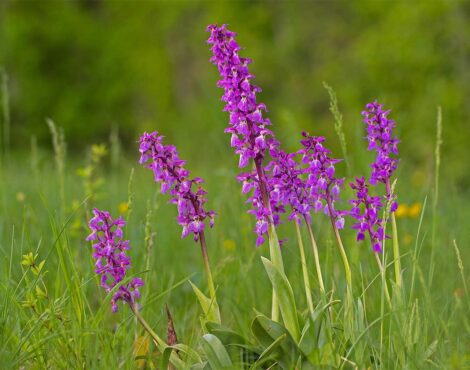
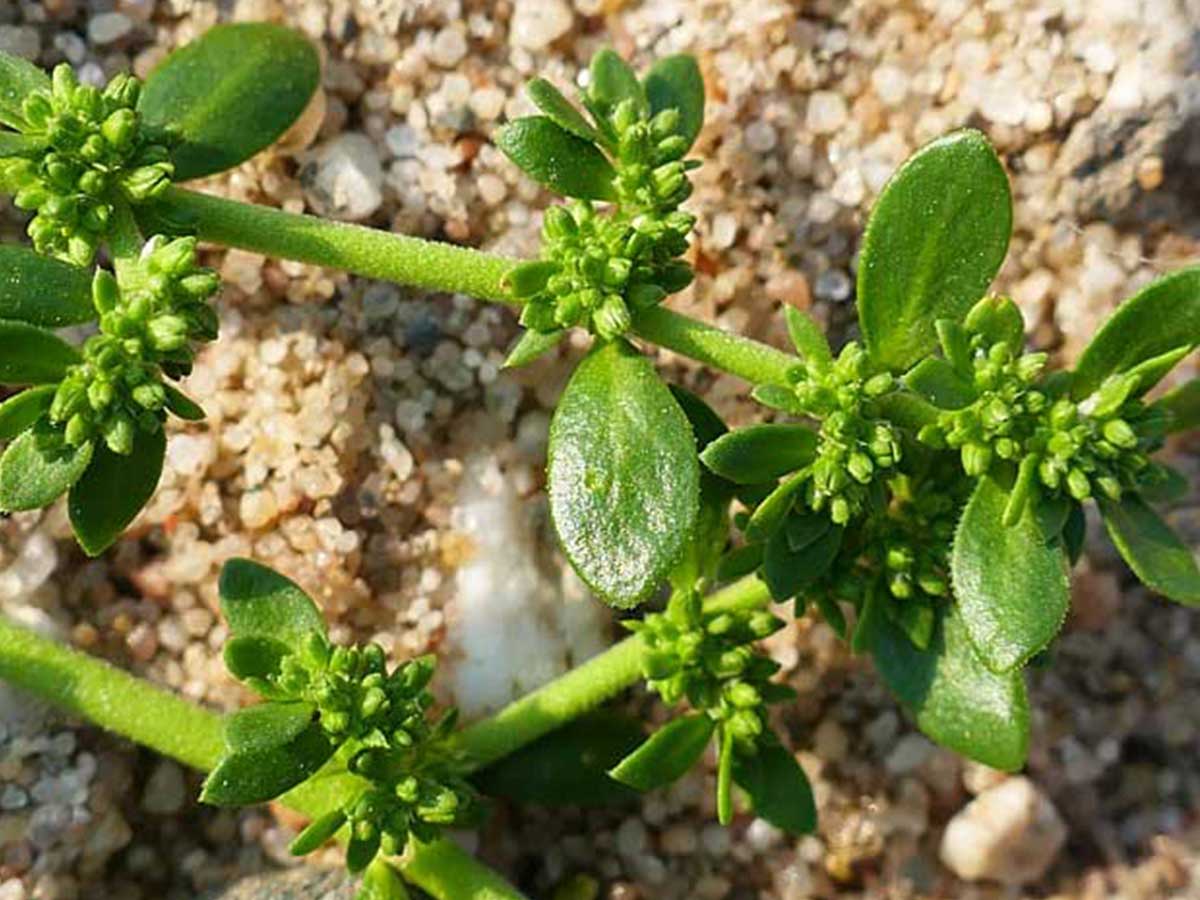
The Ionian Islands, with their Mediterranean climate and rich biodiversity, have been a treasure trove of medicinal plants and healing herbs since ancient times. From the fragrant hills of Corfu to the coastal groves of Kefalonia and Zakynthos, the local flora offers a bounty of natural remedies that have supported health and well-being for generations. These herbs, many native or well-adapted to the Ionian environment, are woven deeply into the culture, cuisine, and folk medicine of the islands.
Aromatic and Therapeutic Treasures
The Ionian herbal heritage includes some of the Mediterranean’s most iconic and potent plants. Among them are:
Lavender: Known for its calming and antiseptic properties, lavender is traditionally used to relieve headaches, treat respiratory conditions such as coughs and sore throats, and soothe skin irritations. Its sweet aroma is also cherished for relaxation and stress relief.
Rosemary: This herb, abundant on the Ionian hillsides, has powerful antioxidants and is believed to improve memory, ease muscle pain, and delay cognitive decline. It is also valued for its ability to stimulate circulation and support digestion.
Sage: Used extensively in local remedies, sage is appreciated for reducing blood sugar levels, combating inflammation, and alleviating sore throats and coughs. It is often brewed into a tonic to boost general vitality.
Oregano & Marjoram: These aromatic herbs are digestive tonics and respiratory aids. Oregano, widely used in cooking and medicine, acts as a spasmolytic, and both herbs have anti-inflammatory and antimicrobial properties.
Thyme: Highly regarded for respiratory ailments including bronchitis and cough, thyme is also one of the strongest natural antibacterial herbs. Its antiseptic qualities have made it a staple in traditional first aid.
Mint and Spearmint: Known for their digestive benefits, these mints relieve bloating and indigestion and have a cooling and refreshing effect. Mint varieties are also used in remedies for rheumatism and fatigue.
Basil: Beyond its culinary use, basil helps with digestion, nausea, headaches, and acts as a natural anti-inflammatory and circulatory stimulant, often applied in teas for its soothing effects.
Dill: Typically used as a digestive aid, dill relieves bad breath, indigestion, and heartburn, and is also recognized for its calming effects on the stomach.
Local Remedies and Traditional Uses
Across the Ionian islands, herbal infusions and poultices are commonly used in folk medicine. For example, an infusion of lavender flowers is often taken to soothe coughs and colds or used as a calming sleep aid. Sage tea is popular for cleansing the throat and reducing inflammation during respiratory infections.
Rosemary branches are sometimes burned for their purifying smoke in homes, a custom thought to cleanse the air and ward off illness. Thyme is a frequent ingredient in herbal mixtures targeting bronchial and lung conditions.
During spring and summer, locals harvest wild oregano and marjoram, drying them to prepare teas that ease digestion and combat colds throughout the year. Mint varieties grow abundantly around wells and shaded gardens, where they are picked fresh for their invigorating qualities.
Healing Plants in Daily Life
The use of these healing herbs extends beyond medicine into culinary and cosmetic traditions. Olive oil infused with rosemary or thyme serves as a healing balm for muscles and skin. Herbal bath blends containing lavender and mint offer relaxation and relief from minor ailments.
Many Ionian households still maintain small herb gardens or wildcraft plants from the countryside, ensuring a continuous supply of these natural remedies. Seasonal festivals celebrating locally grown herbs underline their cultural significance and enduring legacy.
The herbs of the Ionian islands are not only plants but living links to the region’s history, environment, and way of life. They embody a holistic approach to health that combines nature’s gifts with human care, providing gentle and effective remedies that have soothed generations. Exploring their fragrances and uses offers visitors a unique insight into the islands’ traditions and the timeless relationship between land and well-being.