
Blog
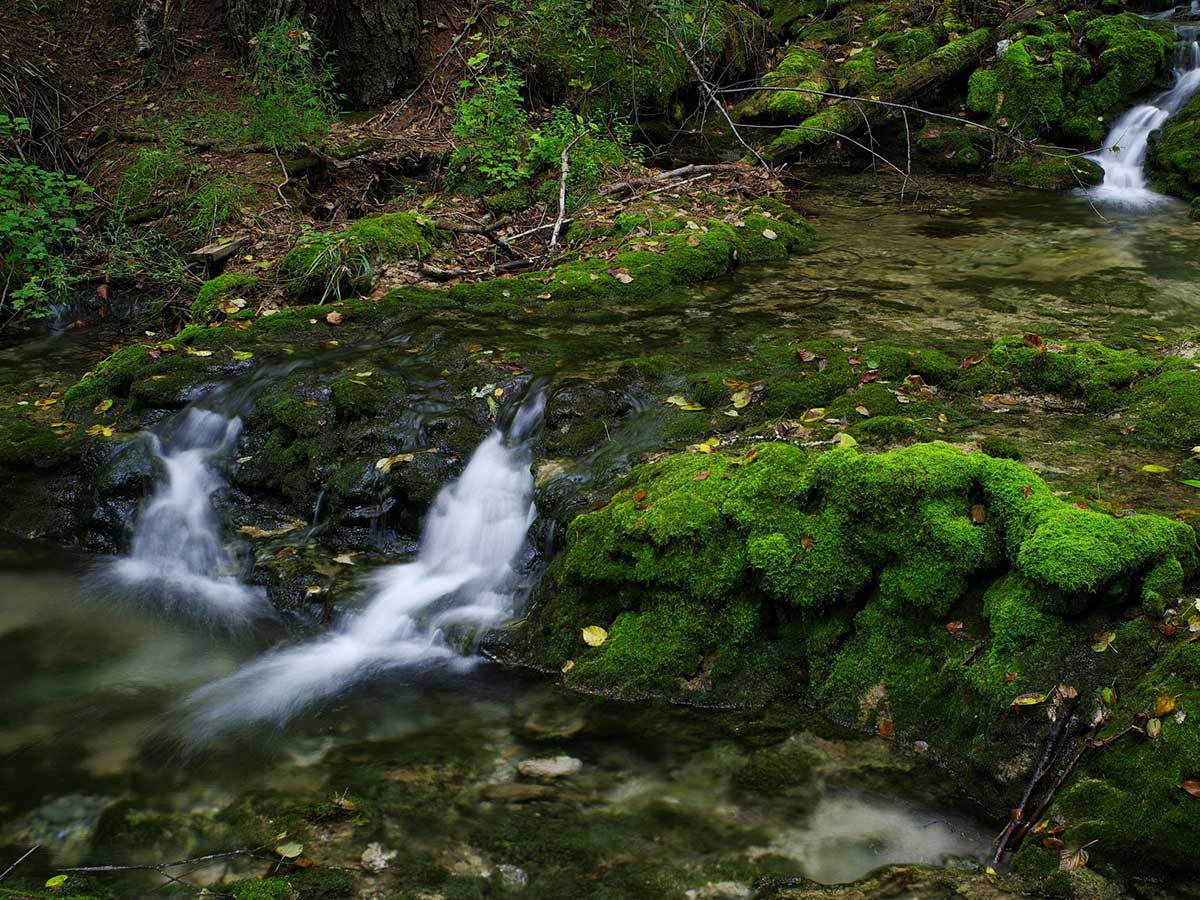
Water defines Mediterranean islands in ways outsiders rarely appreciate. Rainfall alone cannot sustain populations through long, dry summers. Springs emerging from mountain limestone become lifelines, their constant flow supporting villages, agriculture, and ecosystems that would otherwise struggle during rainless months. Corfu’s mountain springs tell stories of geology, ecology, and human adaptation spanning millennia.
Corfu's Mountain Springs: Pure Water Sources in Hidden Valleys
Understanding springs requires understanding the rock beneath Corfu’s surface. Limestone dominates the island’s geology, particularly in mountainous northern and central regions. This sedimentary rock, formed from ancient marine deposits, possesses unique characteristics making spring formation possible. Limestone is permeable, allowing water to infiltrate through cracks, joints, and solution cavities. Winter rains penetrate this porous stone, descending until reaching impermeable layers where water accumulates in subterranean reservoirs called aquifers. Pressure builds as water accumulates, seeking outlets where geological conditions permit surface emergence.
Springs form where water bearing strata intersect surface topography. This typically occurs on hillsides where erosion has cut through impermeable layers, allowing trapped water to escape. The spring’s flow rate depends on aquifer size, rainfall amounts, and geological structure controlling water movement underground. Corfu’s springs demonstrate remarkable consistency compared to surface streams. While rivers and creeks fluctuate dramatically between winter floods and summer trickles, springs maintain relatively steady discharge. This reliability reflects their connection to deep aquifers insulated from short term weather variations.
Water chemistry also reflects geological passage. Limestone dissolution adds calcium and magnesium, creating the “hard” water characteristic of Corfu’s springs. This mineral content affects taste, biological productivity, and practical uses from cooking to agriculture.
Distribution Across the Island
Springs concentrate in Corfu’s mountainous regions where elevation, limestone geology, and rainfall combine optimally. Mount Pantokrator, the island’s highest peak at 906 meters, generates numerous springs from its flanks. These water sources historically sustained mountain villages now largely abandoned. The central spine running north to south contains many springs feeding streams that flow east and west toward respective coasts. Village locations correlate strongly with spring presence, demonstrating water’s fundamental importance in settlement patterns. No sensible person established permanent habitation without reliable water access. Coastal areas generally lack springs, their lower elevation and different geology providing less favorable conditions for spring formation. Exceptions exist where geological faults or unusual rock formations create localized conditions permitting spring emergence near sea level.
The Ropa Valley, Corfu’s largest plain, receives spring fed streams from surrounding hills. This water availability historically supported agriculture making the valley Corfu’s breadbasket. Even today, springs and streams irrigate crops during summer drought when rain fed agriculture would fail. Some springs emerge directly at sea level or even below, their fresh water bubbling up through salt water. Ancient sailors knew these submarine springs, valuable water sources for vessels coasting along shores lacking conventional harbors or settlements.
Ecological Significance
Springs create ecological oases in Mediterranean landscapes stressed by summer drought. While surrounding vegetation withers under relentless sun, spring fed zones maintain lush growth supporting diverse plant and animal communities.
Riparian corridors follow spring fed streams downslope, ribbons of green cutting through drier hillsides. Plane trees, willows, and oleanders thrive in these moisture rich zones. Ferns, mosses, and moisture loving herbs carpeting banks demonstrate radically different growing conditions than surrounding olive groves and maquis shrubland. Wildlife concentrates around springs, particularly during summer when alternative water sources disappear. Birds visit for drinking and bathing, their songs echoing from verdant thickets. Mammals from foxes to badgers include springs in territorial ranges, their tracks marking muddy banks. Amphibians depend absolutely on permanent water, making springs critical for frog and salamander populations.
Aquatic invertebrates inhabit spring pools and outflow streams. Specialized species adapted to constant temperature and flow regimes cannot survive in seasonal streams. These creatures, though inconspicuous, indicate ecological health and water quality through their presence or absence. Springs also provide refugia during droughts or fires. Animals fleeing flames find sanctuary in moist spring environments where vegetation rarely burns. After fires pass, these areas become recolonization sources, their intact populations spreading back into recovering landscapes.
Traditional Uses and Cultural Importance
Before piped water systems, springs dictated daily life rhythms. Women walked to springs carrying vessels, collecting household water while exchanging gossip and news. These gathering spots functioned as social centers where community bonds strengthened through routine interaction. Village fountains, fed by springs through channels or pipes, served as communal infrastructure. Built structures protected water sources, provided convenient access, and often incorporated decorative elements reflecting civic pride. Many such fountains still function, maintained through tradition even where modern plumbing has eliminated practical necessity.
Agriculture depended on spring water for irrigation. Small scale systems diverted flow to gardens and orchards through channels requiring constant maintenance and cooperation among users. Water rights became serious matters, their allocation governed by complex traditional rules balancing individual needs against communal fairness.
Springs held spiritual significance in folk belief. Certain sources gained reputations for healing properties, attracting pilgrims seeking cures for ailments. Small chapels built near important springs acknowledged divine blessing believed responsible for water’s gift. Some springs retained associations with pre Christian beliefs thinly disguised through Orthodox Christianization.
Mills utilized spring fed stream power for grinding grain, pressing olives, and other mechanical tasks. Mill ruins throughout Corfu’s mountains mark springs with sufficient flow for power generation. These sites represented significant infrastructure investments, their operation supporting multiple families and broader communities.
Shepherds knew every spring in their grazing territories. Flocks required daily watering, making spring locations critical knowledge passed through generations. Traditional grazing patterns evolved around water availability, animals moving between pastures based on seasonal conditions and spring reliability.
Seasonal Variations
Despite relative stability compared to surface streams, springs do fluctuate seasonally. Flow peaks in late winter and spring following months of rain recharging aquifers. Summer brings gradual decline as rainfall ceases and evapotranspiration draws down water tables. The lag between rainfall and spring flow reflects travel time through aquifers. Major storms may not affect spring discharge for weeks or months. Conversely, springs continue flowing long after rain stops, sustained by water stored underground. This buffering effect stabilizes flow but also means drought impacts appear gradually and persist after rains return.
Exceptional droughts can reduce or eliminate flow from smaller springs dependent on shallow aquifers. Larger springs fed by extensive deep aquifers maintain flow through all but the most extreme droughts. Historical records document only rare instances of major springs completely failing. Temperature remains remarkably constant regardless of season. Spring water emerges at temperature approximating annual average air temperature, cool in summer and relatively warm in winter. This thermal stability reflects insulation from daily and seasonal temperature swings affecting surface water. Water quality varies subtly through seasons. Winter flow may carry higher sediment loads from more vigorous aquifer flushing. Summer concentration increases as flow decreases, mineral content rising slightly. These variations remain within narrow ranges compared to surface water quality fluctuations.
Modern Threats and Conservation
Springs face threats unknown to previous generations. Aquifer over extraction for municipal water supply, agriculture, and tourism lowers water tables, potentially reducing spring flow or eliminating sources entirely. This mining of groundwater treats aquifers as finite resources rather than renewable systems. Pollution threatens both quantity and quality. Fertilizers and pesticides infiltrating aquifers degrade water purity. Fuel spills, illegal dumps, and sewage contamination introduce pollutants persisting in slow moving groundwater for years or decades. Unlike surface pollution often flushed away by next rain, groundwater contamination proves extremely difficult to remediate.
Development alters natural hydrology through impervious surfaces preventing infiltration. Paved areas and buildings shed water as runoff rather than allowing gradual aquifer recharge. This change reduces dry season spring flow while increasing flood risk during storms, a double negative impact. Climate change projections suggest decreased rainfall and increased evaporation for Mediterranean regions. These trends could reduce aquifer recharge, diminishing spring flows. Some marginal springs might disappear entirely while others experience reduced reliability.
Conservation requires both regulatory protection and practical management. Zoning restrictions can prevent pollution sources near critical recharge areas. Monitoring programs track flow rates and water quality, providing early warning of problems. Public education emphasizes connections between land use decisions and water resources. Traditional water management wisdom deserves attention alongside modern technical approaches. Centuries of sustainable use demonstrate practices balancing human needs with resource limits. Recovering this knowledge provides models applicable to contemporary challenges.
Experiencing Mountain Springs
Hiking to remote springs rewards visitors with beauty and solitude. Trails through Corfu’s mountains pass numerous water sources, their presence announced by vegetation changes and cooling air. Finding a spring after hot uphill climbing offers refreshment both physical and spiritual. The sound of flowing water possesses almost meditative quality in Mediterranean silence. Sitting beside a spring listening to its constant murmur provides respite from modern world’s noise and hurry. This timeless sound connected ancient shepherds to their landscape just as it connects contemporary visitors.
Photography captures springs’ visual appeal. Moss covered rocks, crystal clear pools, and verdant vegetation framing water create naturally beautiful compositions. Varying light throughout day transforms scenes, morning sun backlighting spray differently than afternoon shadows emphasizing texture and depth. Some springs offer swimming opportunities in pools formed naturally or enhanced by human construction. These mountain swimming holes provide refreshing alternatives to beach crowds, their cool water perfect for hot summer days. Local knowledge identifies best swimming springs, as some prove too shallow or flow too swift.
Responsible visiting requires minimal impact practices. Never contaminate water sources with soap, food waste, or human waste. Stay on established paths to prevent erosion. Respect private property where springs cross through land. Take only photographs and memories, leaving natural beauty undisturbed for others.
Springs in Contemporary Life
Modern Corfu has not entirely abandoned traditional spring relationships. Villages still maintain fountains even where households have tap water. These structures serve social functions beyond mere water provision, places where neighbors encounter each other and community connections renew. Bottled spring water from Corfu sources appears in markets, commercializing what was once freely available common resource. This commodification reflects both water’s value and changing economic relationships with natural resources. Quality standards ensure purity meeting health regulations.
Restaurants and tavernas sometimes highlight spring water sources, emphasizing purity and traditional associations. Mountain establishments particularly trade on providing authentic experiences including water from local springs. This marketing recognizes consumer interest in natural, traditional elements.
Agricultural use continues where springs provide reliable summer water. Small scale irrigation sustains gardens producing vegetables and fruit for family consumption and local markets. These modest operations maintain connections to land and traditional practices increasingly rare in industrialized agriculture. Tourism potential remains largely undeveloped. Guided hikes to springs could combine nature appreciation, cultural history, and environmental education. Spring based attractions might relieve pressure on overcrowded beaches while showcasing island’s natural heritage. Sensitive development could benefit local economies without damaging resources.
The Gift That Keeps Flowing
Mountain springs represent intersection of geology, ecology, history, and culture. These simple water sources supported human habitation for millennia, enabled agriculture, dictated settlement patterns, and inspired spiritual reverence. They continue sustaining ecosystems and communities while requiring protection against modern threats. Understanding springs deepens appreciation for how natural systems and human societies interweave. Water emerging from mountainside arrives after journeys of months or years through underground darkness. Its appearance seems miraculous, gift enabling life in landscape that could otherwise support only limited populations.
Corfu’s springs connect past to present, reminding visitors and residents alike of fundamental dependencies often forgotten in modern convenience. Every glass of water ultimately traces back to rainfall, geological formations, and natural processes operating independently of human control. Springs make these connections visible and tangible. Protecting springs protects far more than water supply. It preserves ecological systems, cultural heritage, and options for future generations. These modest sources deserve recognition and respect proportional to their importance rather than their size.