Winter Walks in Corfu: Discovering the Island's Quiet Season Beauty
Winter transforms Corfu’s walking experience completely. Trails crowded during summer stretch empty under gray skies. The landscape, green from winter rains, reveals character hidden beneath summer’s dusty brown. Without heat’s oppression, long walks become pleasure rather than endurance test. This quiet season offers walkers gift of solitude, comfortable temperatures, and authentic encounters with island life continuing beyond tourist season. Understanding winter walking’s unique appeals and challenges unlocks Corfu dimension unavailable during summer’s peak.
The Character of Winter Walking
Cool temperatures between 10-15°C create ideal walking conditions. Unlike summer’s wilting heat, winter’s mild coolness allows sustained activity without overheating. Layers shed or added as exertion and conditions change. Early morning frost occasionally decorates higher elevations though rarely persists past mid-morning.
Green landscapes replace summer’s parched browns. Winter rains, arriving October through March, transform vegetation dramatically. Hills turn verdant, wildflowers begin emerging by late winter, and the countryside displays lushness impossible during dry season. This visual richness rewards those walking when most visitors absent.
Empty trails provide solitude unimaginable during tourist season. Popular coastal paths and mountain routes see perhaps handful of walkers daily versus summer’s steady streams. This privacy allows contemplative walking, wildlife observation, and communion with nature impossible amid crowds.
Dramatic weather creates atmospheric walking conditions. Storms rolling across Ionian Sea, clouds swirling around mountain peaks, and shifting light through breaks in overcast skies provide visual drama. While requiring weather awareness, these conditions create memorable experiences and spectacular photography.
Shorter daylight hours, approximately 9-10 hours in winter versus summer’s 14-15, require planning. Walks beginning too late risk finishing in darkness. However, winter’s low sun angle creates beautiful light throughout day rather than just golden hours.
Coastal Walking Routes
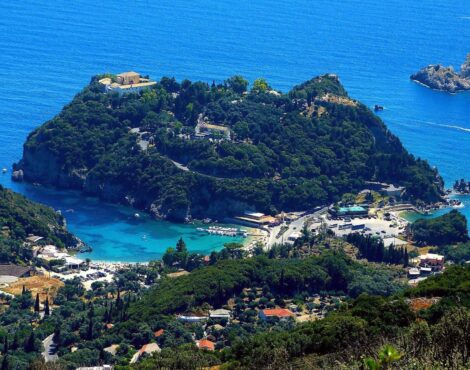
Paleokastritsa coastal paths, though popular in summer, become peaceful winter domains. The famous monastery headland offers dramatic views of storm-tossed seas. Paths connecting various coves and beaches, slippery when wet, reward careful walking with pristine shoreline views.
Afionas to Agios Georgios walk traverses clifftop terrain providing expansive sea views. The exposed nature means wind awareness essential, but clear days deliver stunning vistas across northwestern coastline. Village tavernas at route ends welcome cold walkers with hot coffee and comfort food.
Kassiopi to Avlaki coastal path winds through olive groves with regular sea glimpses. This moderate route, taking 2-3 hours, passes small coves and beaches deserted in winter. Rocky sections require attention though overall difficulty remains manageable for reasonably fit walkers.
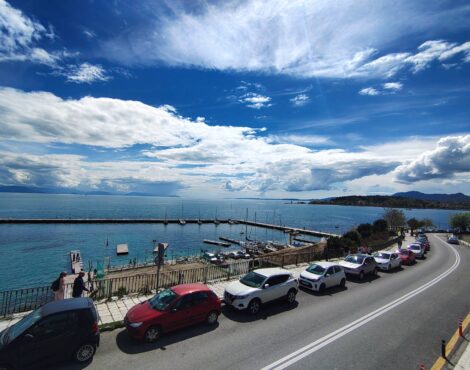
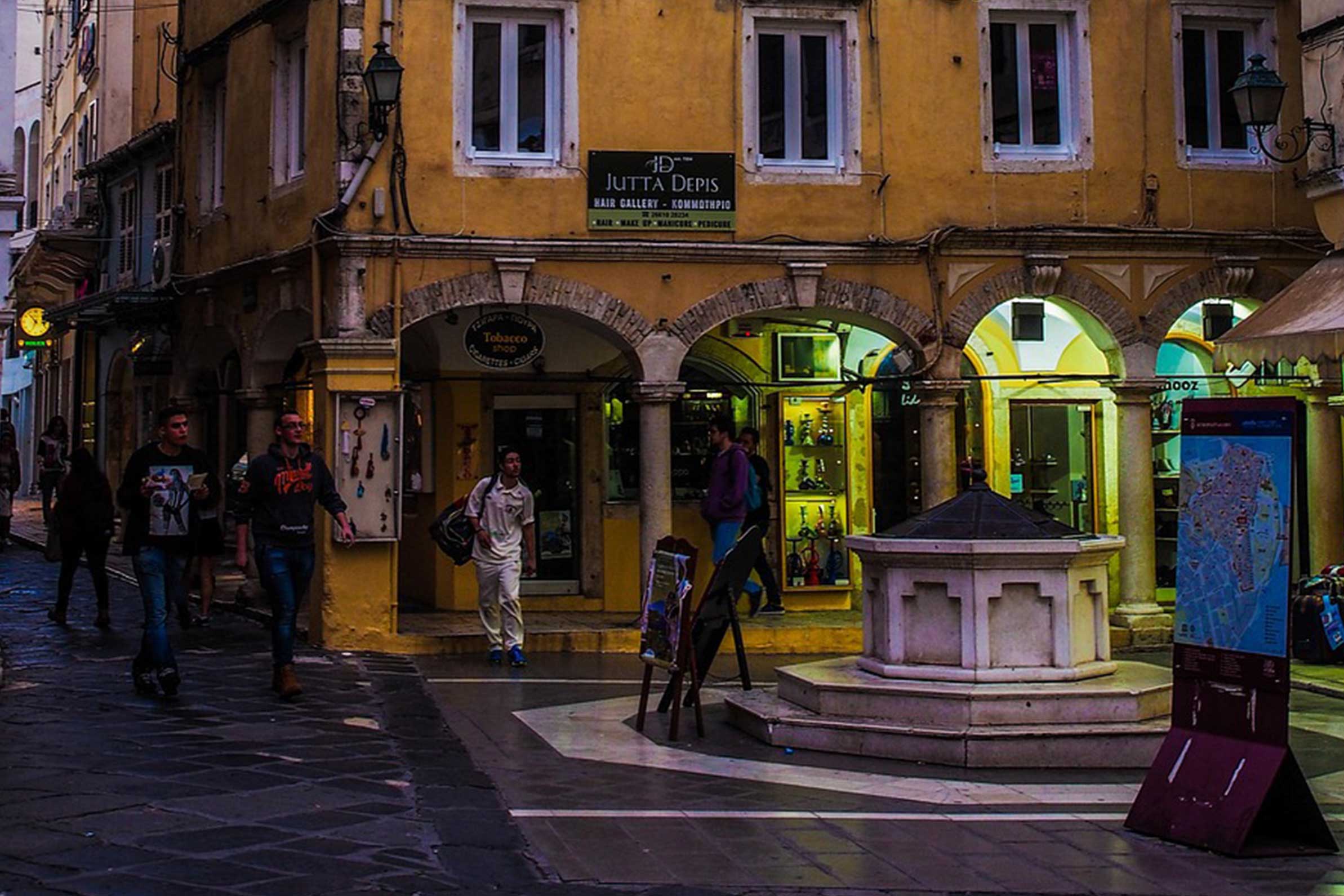
Corfu Town waterfront promenade offers urban walking combining exercise with people-watching. The seafront path, protected from worst weather, provides easy walking regardless of conditions. Cafes along route offer warming breaks and local atmosphere.
Beach walks on long stretches including Agios Gordios or Glyfada allow barefoot winter strolling. The firm wet sand provides excellent walking surface while wave watching and beachcombing add interest. Dramatically different from summer’s crowded sunbathing scenes, winter beaches reveal natural character.
Mountain and Interior Routes
Mount Pantokrator’s lower slopes offer excellent winter walking without summit’s exposure. Trails through oak and olive forests stay relatively protected while providing elevation for views. Muddy sections after rain require proper boots though routes remain accessible most days.
Old Perithia abandoned village makes excellent walking destination. Various routes approach this mountain settlement through beautiful landscapes. The village itself, with scattered operating tavernas, provides atmospheric lunch stops before return walks.
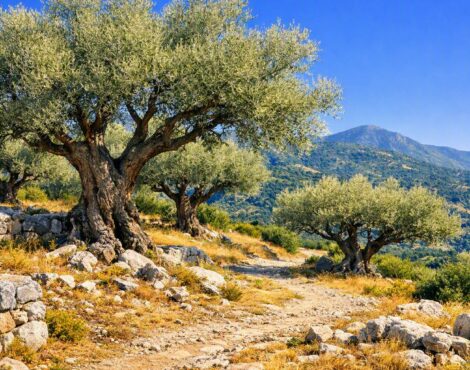
Olive grove trails crisscross the island providing gentle walking through ancient agricultural landscapes. These informal paths connect villages and properties, offering quiet rural experiences. Stone walls, abandoned buildings, and gnarled olive trees create quintessential Corfiot scenery.
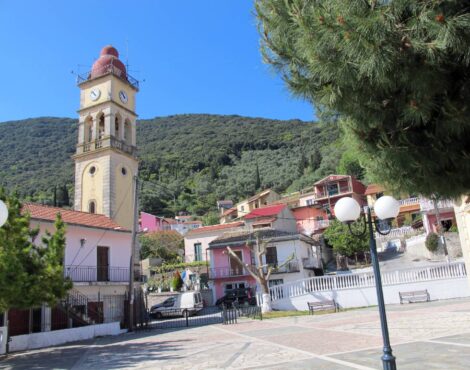
Village-to-village walks following quiet back roads showcase authentic island life. Routes connecting nearby settlements typically span 5-10 kilometers, manageable distances allowing exploring multiple villages. These walks reveal Corfu beyond tourist areas.
The Corfu Trail’s various sections offer longer challenges for experienced winter walkers. This long-distance route traversing the island provides serious hiking opportunities. Winter sections can be muddy and overgrown but deliver solitude and accomplishment impossible during busy season.
Practical Winter Walking Considerations
Footwear makes crucial difference. Waterproof hiking boots with good grip handle muddy trails and slippery surfaces. Summer’s sandals or light shoes prove inadequate for winter conditions. Quality boots represent essential investment for enjoyable winter walking.
Layered clothing allows temperature regulation. Base layer, insulating mid-layer, and waterproof shell provide flexibility for varying conditions and exertion levels. Temperatures can swing 10 degrees between start and finish as weather changes or altitude varies.
Rain gear necessity cannot be overstated. Waterproof jacket and perhaps pants protect against sudden showers characteristic of Mediterranean winter. Being caught unprepared transforms pleasant walk into miserable slog.
Water and snacks sustain energy on longer walks. Though cooler temperatures reduce water needs compared to summer, adequate hydration remains important. Energy bars or fruit provide fuel for extended outings.
Navigation aids including maps, GPS devices, or phone apps prevent getting lost. Winter’s reduced visibility and overgrown trails make navigation more challenging than summer. Technology backup ensures finding your way even on unfamiliar routes.
Telling someone your plans provides safety backup. Whether hotel staff, friends, or family, someone knowing your intended route and expected return allows help finding you if problems develop.
Wildlife and Nature Observation
Birdwatching opportunities expand dramatically during winter migration season. Wetlands including Lake Korission host waterfowl absent during summer. Coastal areas see seabirds while forest walks reveal resident and visiting species. Binoculars and field guides enhance identification.
Wildflowers begin emerging late winter. Early bloomers including crocuses, anemones, and various bulbs carpet meadows and forest floors. Botanical enthusiasts find February and March particularly rewarding for floral discoveries.
Mushroom spotting interests foragers and nature observers. Various edible and non-edible species fruit during damp winter months. While collection requires expert knowledge, observation and photography accessible to all.
Animal tracks in mud reveal wildlife presence even when creatures remain hidden. Fox, badger, wild boar, and smaller mammal signs appear along trails. Reading these signs adds detective element to walks.
Cultural Encounters
Village coffee houses welcome cold walkers with warmth and hospitality. Stopping mid-walk for Greek coffee or mountain tea provides cultural immersion impossible in tourist-oriented establishments. These authentic encounters reveal local life continuing beyond tourism season.
Meeting local shepherds, farmers, and other rural workers offers genuine interactions. Winter activities including olive harvest preparation, wood gathering, and livestock tending continue regardless of tourist absence. Respectful interest usually receives friendly response.
Small churches and chapels along routes, often unlocked, offer shelter and contemplation. These humble spiritual spaces, integral to rural life, provide insight into Orthodox traditions and architectural heritage.
Abandoned villages and structures encountered during walks tell stories of demographic changes and rural depopulation. These poignant remnants of once-thriving communities add historical dimension to natural beauty.
Weather Wisdom
Checking forecasts before walks prevents unpleasant surprises. While Mediterranean winter generally mild, storms can bring strong winds, heavy rain, and rarely, snow at elevation. Choosing appropriate days maximizes enjoyment.
Starting early ensures adequate daylight for completion. With sunset around 5:30 PM in winter, afternoon starts risk finishing in darkness. Morning departures provide safety margin plus often better weather before afternoon deterioration.
Avoiding exposed areas during high winds prevents dangerous situations. Clifftop paths and exposed ridges become hazardous in strong winds. Sheltered forest or valley routes provide safer alternatives on windy days.
Post-rain timing allows trails drying somewhat while maintaining lush greenery. Walking immediately after heavy rain means maximum mud while waiting several days reduces moisture. Finding sweet spot requires judgment and local knowledge.
Winter walking in Corfu reveals island dimensions summer visitors miss completely. The combination of comfortable temperatures, dramatic scenery, empty trails, and authentic encounters creates experiences impossible during tourist season. Those willing embracing occasional rain and mud discover Corfu’s true character, natural beauty undiluted by crowds, and peaceful communion with landscape that summer’s heat and bustle prevent. Winter walks don’t replace summer pleasures but complement them, offering different but equally valuable ways experiencing this beautiful island.