Birdwatching Paradise: Corfu's Winter Migration Hotspots
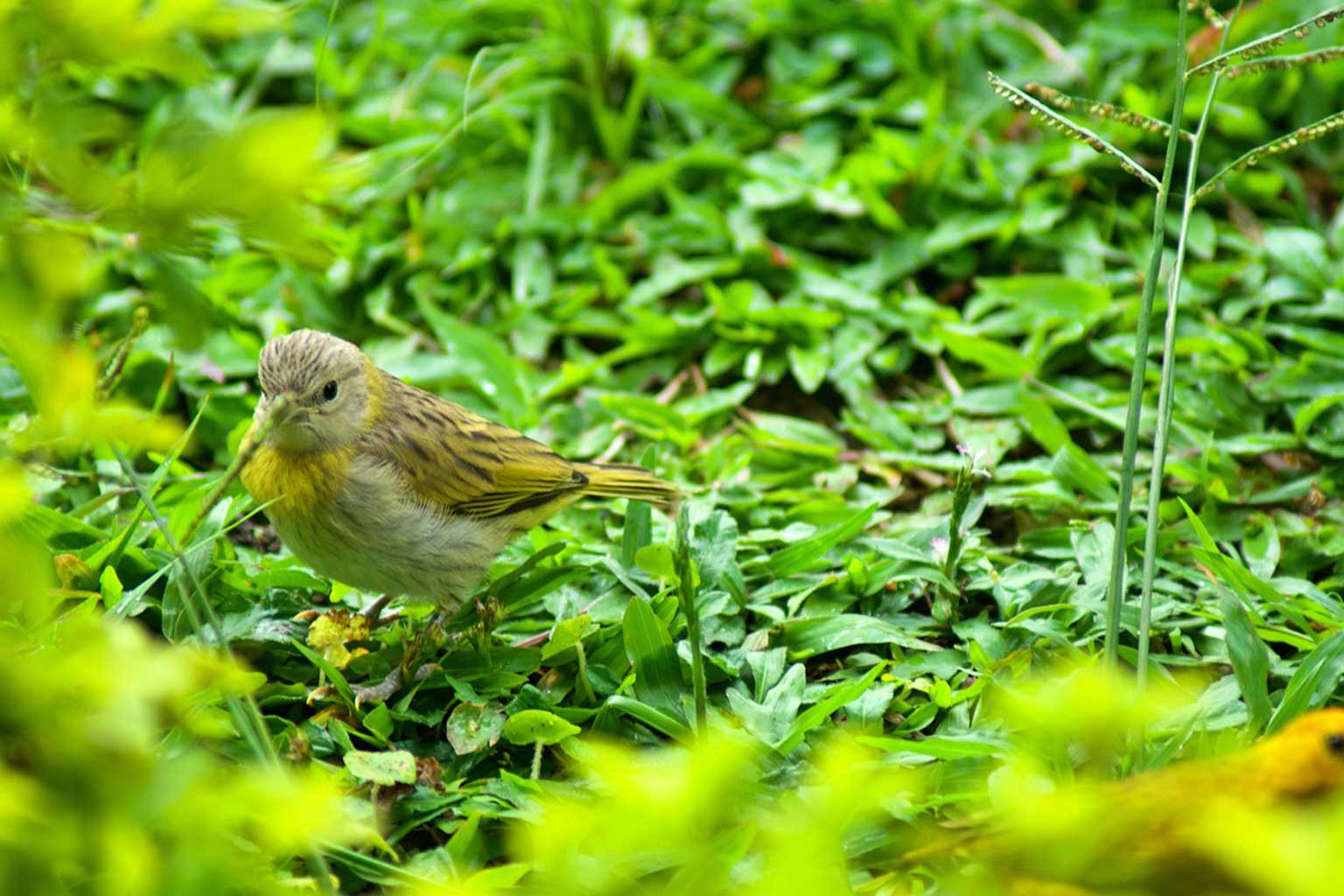
Wings beat across gray January skies as thousands of birds transform Corfu into avian crossroads. While summer visitors miss this spectacle entirely, winter reveals the island as crucial stopover for species traveling between European breeding grounds and African wintering areas. Wetlands host waterfowl in remarkable numbers, coastal areas attract seabirds, and diverse habitats support resident populations joined by winter visitors. Understanding where, when, and how to observe this avian abundance opens dimension of Corfu invisible to those visiting only during tourist season.
Lake Korission: Premier Wetland Destination
Lake Korission, shallow coastal lagoon separated from Ionian Sea by narrow sand barrier, represents Corfu’s premier birdwatching location. This protected wetland hosts remarkable diversity throughout winter months. Standing at observation points around the lake reveals constantly changing tableau as feeding, resting, and flying birds create natural theater.
Waterfowl dominate winter populations. Various duck species including mallard, teal, and wigeon gather in thousands. Their numbers peak during coldest months when northern wetlands freeze, pushing birds southward to Mediterranean refuges. Observing massive flocks lifting from water or descending to feed creates unforgettable spectacles.
Wading birds including herons, egrets, and stilts probe shallow waters for aquatic prey. Their elegant movements and patient hunting strategies provide compelling observation subjects. Little egrets, particularly numerous, display brilliant white plumage contrasting beautifully against blue water and green vegetation.
Raptors patrol lake margins hunting smaller birds and mammals. Marsh harriers quarter reed beds with distinctive flight pattern, while occasional peregrine falcons create panic among waterbird flocks. These predator-prey interactions demonstrate natural drama playing out constantly.
The sand dunes and beach separating lake from sea host different species. Gulls, terns when migrating, and shorebirds feed along tideline. This transition zone between freshwater and marine environments attracts species from both realms.
Access requires some planning. Rough tracks circle portions of lake while other sections remain less accessible. Walking around entire perimeter takes several hours but rewards with varied perspectives and different species in different zones.
Coastal Observation Points
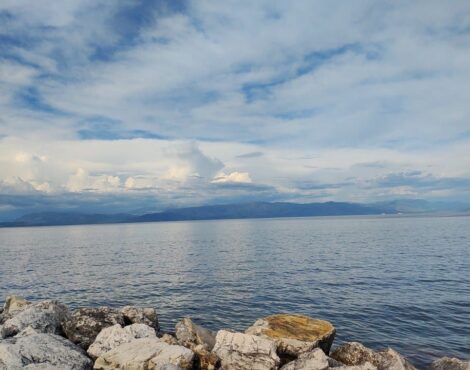
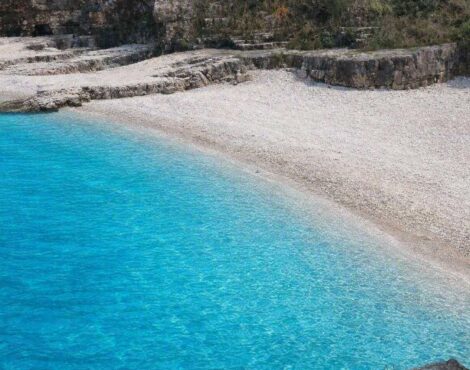
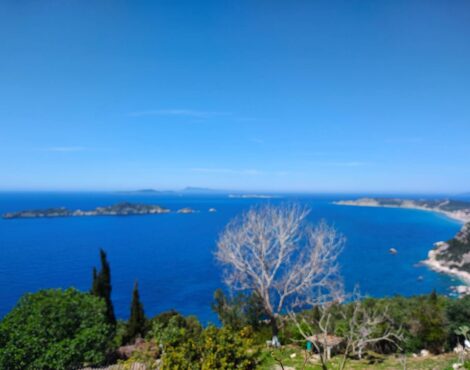
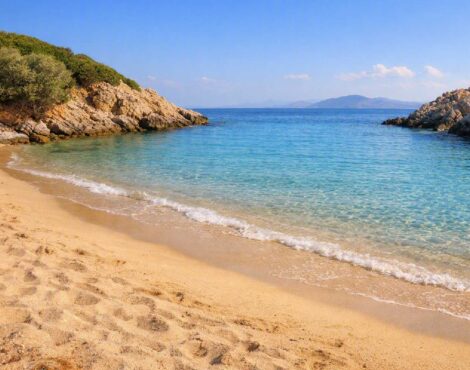
Corfu’s extensive coastline provides numerous locations observing seabirds and coastal species. Rocky promontories, sheltered bays, and exposed headlands each attract different birds depending on weather and season.
Cape Drastis in the northwest offers dramatic setting for seabird observation. The sculpted white cliffs and offshore rocks attract cormorants, shags, and various gull species. During storms, watching birds navigating fierce winds demonstrates their remarkable flying abilities.
Kassiopi harbor and surrounding coast combine accessible viewing with species diversity. The protected harbor attracts gulls and occasional rare visitors while nearby rocky shores host Mediterranean shags and other marine specialists.
Southern coastal areas including Lefkimmi wetlands and associated coastline provide additional waterfowl habitat. These less-visited locations sometimes yield rarities that birders specifically seek.
Storm-driven seabirds occasionally appear close to shore. After severe weather, scanning from coastal viewpoints may reveal species normally far offshore including shearwaters, petrels, or unexpected vagrants blown off course.
Olive Grove Habitats
Corfu’s extensive olive cultivation creates semi-natural habitat supporting numerous bird species. Walking through groves reveals surprisingly diverse populations often overlooked by those focused on more dramatic wetland or coastal species.
Small passerines including warblers, finches, and tits forage through olive canopies gleaning insects and seeds. Winter brings species absent during summer while some summer visitors depart for Africa. This seasonal turnover means groves host different communities across the year.
Thrushes including blackbirds, song thrushes, and redwings feed on olives and ground invertebrates. Their presence increases during winter as northern populations migrate southward seeking milder conditions and food availability.
Woodpeckers work olive bark searching for insects. Their distinctive calls and undulating flight patterns draw attention even before visual identification. Several species occur in Corfu including Syrian woodpecker, a range-restricted species of particular interest.
Hoopoes, with spectacular plumage and distinctive crest, probe ground for invertebrates. Though present year-round, winter makes them more visible as vegetation thins. Their unique appearance and behavior make them favorite among casual observers and serious birders alike.
Olive groves near wetlands or coast create ecotones where species from different habitats mix. These transition zones often yield highest diversity within small areas, rewarding birders exploring habitat edges.
Mountain and Forest Areas
Mount Pantokrator and surrounding uplands provide different habitat supporting montane and forest species. Winter conditions can be harsh at elevation but clear days offer excellent observation opportunities.
Raptors including buzzards and occasional eagles soar above ridges utilizing thermals for efficient flight. Winter brings short-toed eagles from Africa though resident species including buzzards remain year-round. Watching raptors from mountain viewpoints provides perspective impossible in flat terrain.
Forest species including various tits, nuthatches, and treecreepers work through mixed woodlands. These small birds, active even during winter, require patient observation as they move quickly through vegetation.
Crossbills, finches specialized for conifer seeds, occur in pine forests. Their unique bill adaptation and acrobatic feeding behavior make them fascinating subjects. Flocks sometimes number dozens of individuals creating noisy feeding aggregations.
Mountain streams and associated vegetation attract wagtails, dippers, and other water-associated species. These ribbons of habitat threading through uplands concentrate birds into observable locations.
Identification and Documentation
Proper identification separates casual observation from serious birding. Field guides specific to European birds provide essential reference. Apps offering calls, images, and identification keys enhance field use particularly for beginners learning species.
Taking field notes improves skills and creates permanent record. Recording date, location, species, numbers, and behavioral observations builds personal database. Over time, these records reveal patterns and document rare sightings.
Photography, while challenging without specialized equipment, creates visual documentation. Modern cameras and smartphones capture identifiable images even without extreme telephoto lenses. Photos aid later identification when field views proved insufficient for certainty.
eBird and similar citizen science platforms allow sharing observations while contributing to global bird distribution knowledge. Uploading sightings connects individual observations to broader scientific understanding.
Ethics and Best Practices
Minimizing disturbance ensures bird welfare and maintains sites for future observation. Approaching too closely causes stress and energy expenditure birds can ill afford during winter when food scarce and weather challenging. Observing from respectful distance with quality optics provides adequate views without harassment.
Staying on paths prevents habitat damage and avoids disturbing ground-nesting or feeding birds. Trampling vegetation or flushing birds repeatedly degrades sites reducing future value for birds and observers.
Sharing rare bird locations requires judgment. While transparency valuable for verification and scientific record, publicizing sensitive sites sometimes attracts crowds causing disturbance. Experienced birders balance documentation with protection.
Respecting private property maintains access to productive sites. Much excellent birding habitat lies on private land. Polite inquiries seeking permission and careful behavior ensure continued welcome.
Seasonal Timing and Weather
Peak winter diversity occurs January through March as northern migrants arrive and linger before spring departure. December and early January still good though some species not yet present in maximum numbers.
Weather dramatically affects observation quality. Calm conditions after storms often yield best sightings as birds resume feeding after hunkering down. Strong winds make observation difficult and bird activity minimal.
Time of day matters significantly. Early morning, roughly two hours after dawn, provides peak activity as birds feed intensively after overnight fast. Late afternoon offers secondary activity peak though generally less productive than morning.
Tidal influences matter at coastal sites. Low tide exposes feeding areas attracting waders and other shorebirds. High tide concentrates birds into smaller areas sometimes improving observation but also reducing feeding opportunities.
Corfu’s winter birdlife offers rewards from casual observation to serious listing. Whether identifying first species or adding rarities to life list, the island provides accessible, diverse, and beautiful birding. Winter’s specialness for bird observation demonstrates how off-season travel reveals dimensions of place completely invisible during conventional tourist seasons, enriching understanding of island’s ecological importance extending far beyond beaches and architectural heritage into critical role supporting avian migrations connecting three continents.