
Blog
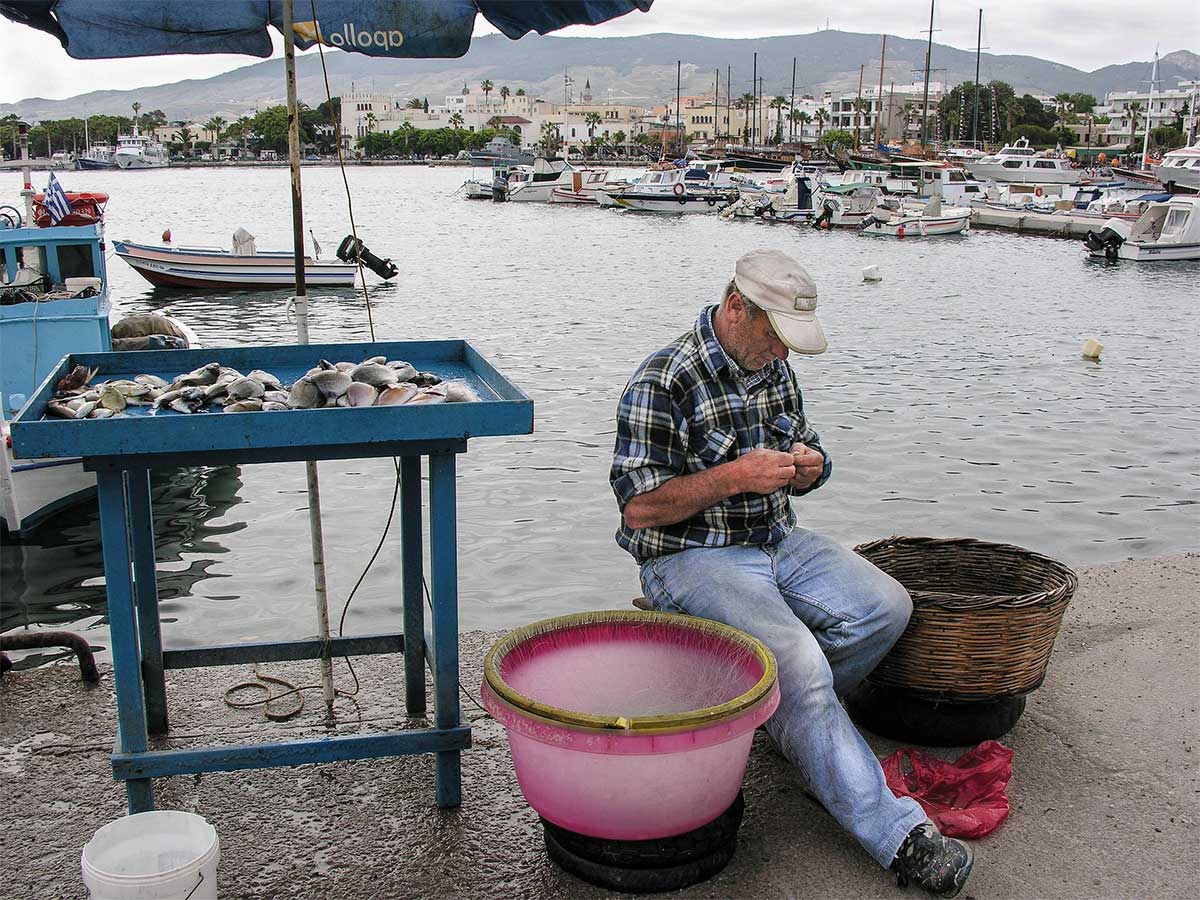
Northwest Corfu’s coastline fragments into countless coves and bays where fishing villages cling to narrow strips of land between mountains and sea. These settlements, some ancient and others relatively recent, developed where geography permitted harbor and access to interior. Their histories intertwine with fishing, the sea providing sustenance and shaping culture across generations. Today these villages navigate between preserving traditional character and accommodating tourism that increasingly defines their economies.
Fishing Villages of Northwest Corfu: Authentic Island Life
Northwest Corfu’s rugged topography limited settlement patterns historically. Steep mountains plunge directly to sea along much of the coast, leaving few locations suitable for permanent habitation. Where rivers or geological features created flatter ground near protected waters, villages emerged. This geography concentrated population in specific locations while leaving long coastal stretches uninhabited.
Ancient sites scattered throughout the region demonstrate long human presence. Kassiopi’s temple ruins date to classical period. Roman villas occupied coastal locations. Byzantine chapels mark continued Christian settlement. These historical layers reveal strategic and economic importance despite apparent remoteness.
Venetian period documents describe fishing communities supplying Corfu town markets. The northwest coast’s productivity, combined with prevailing winds favoring sail to town, made these villages important food sources. Fishing rights, harbor facilities, and tax obligations appear in archives documenting administrative attention to seemingly marginal settlements.
Ottoman raids periodically devastated coastal villages. Pirates operating from Albanian ports across narrow straits targeted exposed settlements. This insecurity drove some population inland to mountain villages, returning to coast only for fishing expeditions. Watchtowers and fortress ruins testify to defense needs.
British protection in 19th century allowed secure coastal settlement expansion. Villages grew and new ones formed as piracy threat receded. This period saw maximum fishing activity, large fleets operating from villages supplying expanding markets. Photographs from this era show harbors crowded with traditional boats.
Kassiopi: Largest Northwestern Village
Kassiopi occupies strategic position at Corfu’s northeast corner where coast turns southward. Natural harbor and ancient foundations made this significant settlement across millennia. The village retains working fishing port despite tourism development surrounding traditional core.
Roman villa ruins and Byzantine fortress remnants demonstrate historical importance. Kassiopi served as one of Corfu’s three significant towns during late Roman and Byzantine periods. The harbor accommodated military and commercial vessels, its protected waters valuable in frequently dangerous seas. Modern Kassiopi balances fishing heritage with tourism economy. Waterfront tavernas serve catches brought ashore meters away. Fishing boats moor alongside pleasure craft, visual representation of economic transition. Early morning activity revolves around fishing fleet’s return while afternoons bring tourist crowds.
The village architecture preserves traditional character in older sections. Stone houses with external stairs and small balconies cluster around harbor. Narrow lanes wind between buildings barely accommodating modern traffic. This organic layout contrasts with geometric tourist developments peripherally surrounding historic core.
Kassiopi’s church, rebuilt multiple times on ancient site, maintains religious continuity. Icons and relics within connect contemporary worship to Byzantine predecessors. Annual festivals blend religious observance with community celebration, maintaining social traditions tourism otherwise might overwhelm.
Local fishing focuses on species abundant in surrounding waters. Net fishing for smaller schooling fish, longlines for larger predators, and seasonal specialization characterize operations. Knowledge of bottom topography, current patterns, and seasonal movements represents accumulated wisdom passed through generations.
Agios Stefanos: Northwestern Outpost
Agios Stefanos in Corfu’s far northwest developed later than ancient settlements, emerging primarily in recent centuries. Its expansive bay provides excellent anchorage while sandy beach attracted tourists creating dual economy balancing fishing and hospitality.
The village maintains intimate scale despite tourism development. Single road follows shore past small harbor where fishing boats beach. Tavernas line waterfront, family operations where fishing and cooking often involve same individuals. This personal scale preserves authenticity sometimes lost in larger resort areas.
Fishing here focuses on inshore species and seasonal migrations. Spring brings swordfish offshore where longliners pursue them. Summer sardine runs provide abundant catch for several weeks. Autumn sees larger predators following migrating baitfish. This seasonal pattern structures fishing calendar and taverna menus.
Views across to Albania provide constant reminder of proximity. The nearby coast, visible clearly in good weather, lies only kilometers away. This geographic intimacy historically created both threat and opportunity, smuggling and raids alternating with trade and interaction.
Beach orientation attracts families and quieter tourism demographic than party focused resorts. This visitor profile suits village character better than mass tourism might. Restaurants cater to diners seeking quality over budget pricing, supporting local fishing economically through higher value markets.
Village expansion remains limited by geography. Mountains rise steeply behind narrow coastal strip, preventing sprawl possible in flatter locations. This constraint, though limiting growth, helps preserve human scale and concentrated community feeling increasingly rare in developed areas.
Smaller Settlements: Kalami, Kouloura, Agni
Several tiny settlements dot the coast between major villages. These hamlets, sometimes just handful of houses and a taverna or two, preserve intimate character impossible in larger communities. Their small scale creates appeal for visitors seeking authenticity and tranquility.
Kalami gained fame through Lawrence Durrell’s residence and writings. The white house where he lived remains village landmark, now rental property allowing visitors staying where literary history occurred. His descriptions introduced many readers to Corfu’s beauty, creating tourism interest that supports village economy.
Kouloura’s miniature harbor, perhaps Corfu’s most photographed, offers perfect proportions. Cypress trees frame tiny stone quay where handful of boats moor. The intimate scale creates almost toy like perfection, picturesque scene attracting artists and photographers since tourism began.
Agni’s three tavernas serve famous fresh fish meals. Boats deliver catch directly to restaurants, ultimate farm to table dining. Reputation for quality attracts visitors willing to navigate narrow access road. The tavernas represent different family operations maintaining friendly rivalry and consistently high standards.
These settlements maintain fishing activity despite tiny size. Several boats operating from each hamlet supply local consumption and restaurant needs. The fishing here remains small scale, traditional methods used by individuals or family partnerships rather than commercial operations.
Architecture follows traditional patterns adapted to specific sites. Stone construction using local materials creates buildings blending into landscape. External stairs accessing upper floors, characteristic of Greek island architecture, appear throughout. Modern additions respect traditional scale and materials though closer examination reveals contemporary construction.
Daily Rhythms and Seasonal Patterns
Fishing village life follows rhythms dictated by sea and seasons. Predawn departures send boats to fishing grounds, motors’ sound waking residents. Returns occur mid morning, catches landed and immediately sorted. This daily pattern structures community life, activities timed around fishing schedules. Women traditionally mended nets and processed catches while men fished. These gender divisions, though weakening, persist in older generation. Contemporary fishing operations often involve both genders more fluidly, economic necessity and changing social norms altering traditional patterns.
Seasonal variations dramatically affect village activity. Summer brings tourist crowds and intensive fishing supplying increased demand. Tavernas operate full capacity with extended families mobilized. This intense period generates income sustaining year round residence.
Autumn transitions toward quieter patterns. Tourism declines sharply after September, villages returning to local population. Fishing continues targeting autumn runs and species preferring cooler water. This seasonal provides respite after summer intensity while allowing equipment maintenance and preparation for winter.
Winter sees minimal activity. Weather often prevents fishing for days or weeks. Some younger residents migrate temporarily to urban employment. Older residents remain, village life contracting to core community. Tavernas close except perhaps one serving locals. This dormant period allows rest before spring renewal. Spring awakening begins early. Buildings receive fresh paint. Gardens planted. Equipment repaired. Fishing increases as weather permits and spring species appear. This preparatory period anticipates summer season, community marshaling resources for intense months ahead.
Culinary Traditions and Taverna Culture
Northwest village tavernas represent authentic Greek dining at its finest. Family operations where catching, cooking, and serving involve related individuals create direct connections between sea and table. Menus change daily based on catch, ultimate seasonal eating. Fish preparation follows traditional methods refined across generations. Grilling over charcoal remains preferred technique, simple approach highlighting quality ingredients. Olive oil, lemon, oregano, and salt comprise typical seasoning, flavors complementing rather than masking fish.
Smaller species often prepared whole, heads and bones contributing flavor. Eating these fish requires skill and patience, the process slowing meals and encouraging conversation. This unhurried dining reflects village pace, meals as social occasions rather than mere refueling.Larger fish receive different treatment. Slicing, baking, or specialized preparations suit their size and texture. Fish soups and stews utilize heads and frames, waste minimal cooking philosophy. Every part finds use, nothing discarded that could nourish.
Meze tradition precedes main courses. Small dishes of octopus, sardines, anchovies, and other preparations arrive gradually. This grazing approach encourages trying multiple items while wines and conversation flow. The meal extends across hours, Mediterranean dining at its most pleasurable. Wine comes from local sources or familiar mainland producers. House wines, often bulk regional varieties, pair perfectly with fish. Occasional bottles of better producers appear for knowledgeable customers. The focus remains food with wine as complement rather than feature.
Dessert options usually limited but quality high. Seasonal fruits, simple sweets, and perhaps baklava complete meals. Coffee follows, strong and sweet, extending conclusion. The entire experience emphasizes quality ingredients, traditional preparation, and unhurried enjoyment.
Architecture and Built Environment
Village architecture follows vernacular traditions adapted to coastal locations. Stone construction predominates, materials quarried locally or gathered from hillsides. Lime plaster covering stone provides smooth surfaces accepting paint, traditional white with colored trim creating iconic Greek aesthetic. Roof forms vary between flat terraces and low pitched tiles. Climate’s minimal rainfall permits flat roofs serving as outdoor living space. Tiled roofs, showing Italian influence, appear on older or wealthier structures. Clay tiles, often handmade locally, weather beautifully developing rich patinas.
Building scale remains modest, two or three stories typical. Small windows minimize heat gain while providing light and ventilation. Wooden shutters control light and offer security. These climate responsive features predate air conditioning, passive cooling strategies developed through experience.
External stairs access upper floors, characteristic of Greek island architecture. These stairs, often elaborate stone constructions with decorative railings, provide architectural interest while solving practical access problems on steep sites. Their external position leaves interior space uncompromised by stairwells.
Waterfront buildings incorporate boat storage and work areas on ground floors. Fish processing, net storage, and equipment maintenance occurred in semi public spaces opening to harbor. Upper floors provided living quarters, functional separation between work and domestic realms.
Churches anchor villages spiritually and architecturally. Usually positioned prominently, often near harbor, churches provide visual focus. Bell towers mark villages from distance, functioning historically as landmarks for returning fishermen. Interiors contain icons and furnishings accumulating across generations.
Modern additions sometimes clash with traditional architecture. Concrete construction, larger windows, and contemporary styling create discontinuity. Better examples respect traditional scale and materials while incorporating modern conveniences. This ongoing negotiation between preservation and development continues evolving.
Economic Transformation and Tourism
Tourism transformed northwest villages economically and socially. Traditional fishing based economy proved marginal as fish stocks declined and costs increased. Tourism offered alternative, family skills transferring from fishing to hospitality. Many fishing families now operate accommodations and restaurants. This transition created ambivalence. Tourism provides income supporting village residence that fishing alone no longer sustains. However, seasonal nature and dependency on external factors create insecurity. Villages lose control over their economies, subject to distant decisions and global trends.
Property values increased dramatically as tourists purchased houses for holiday homes. This appreciation benefited selling families but effectively prevented younger generation purchasing village property. Some villages risk becoming seasonal ghost towns, permanent residents displaced by holiday houses empty most of year.
Cultural changes accompany economic transformation. Traditional skills decline as younger generation pursues tourism or urban employment. Language shifts as English becomes necessary for tourist industry. Social fabric weakens when villages empty off season, year round communities becoming summer only populations.
Successful tourism requires balancing authenticity and accommodation. Visitors seek traditional character while expecting modern amenities. Villages must preserve what makes them attractive while adapting to tourist needs. This delicate balance proves difficult, success variable across locations. Some villages consciously limit development preserving character. Refusing large hotels and restricting construction maintains intimate scale. This strategy attracts visitors seeking authenticity while preventing overdevelopment. Economic benefits may be smaller but sustainability greater.
Preserving Traditional Character
Several factors help maintain northwest villages’ traditional character despite tourism pressure. Geographic constraints limit development physically. Mountain proximity, steep topography, and limited flat land prevent sprawl possible in other locations. This natural limitation protects villages from worst development excesses.
Community cohesion, though stressed, persists. Long term residents maintain social networks and cultural practices. Festivals, religious observances, and informal gatherings sustain community identity distinct from tourist presence. These traditions provide continuity connecting present to past. Architectural preservation, though imperfect, receives increasing attention. Recognition that traditional character attracts tourists creates economic incentive for preservation. Regulations in some areas mandate traditional materials and styles for new construction or renovation. Implementation varies but represents step toward conscious preservation.
Continued fishing, even reduced scale, maintains authentic character impossible to fake. Actual working boats and genuine fishermen provide legitimacy that purely tourist focused villages lack. This authenticity, visible in morning harbor activity, distinguishes these villages from manufactured resort experiences.
Family businesses predominate over corporate operations. Local ownership means profits remain in community while decisions reflect local priorities rather than distant corporate strategies. This ownership pattern maintains village agency over development direction. Environmental awareness grows regarding coastal development impacts. Recognition that overdevelopment destroys attraction drawing tourists creates pause. Marine protection zones preserve fishing grounds while controlling offshore development. These measures, though sometimes controversial locally, support long term sustainability.
Future Prospects and Challenges
Northwest Corfu fishing villages face uncertain futures navigating between preservation and change. Complete return to traditional fishing based economy seems impossible. Fish stocks, competition, and economic realities prevent this. However, total tourism transformation risks destroying what makes villages attractive initially.
Sustainable paths exist balancing multiple uses and values. Tourism complementing rather than replacing traditional activities maintains authenticity while providing economic diversification. Small scale fishing supplying local tavernas supports both traditional skills and quality dining attracting appropriate visitors.
Youth retention challenges all villages. Young people often leave for education and employment, returning seasonally if at all. Preventing complete demographic aging requires economic opportunities allowing year round residence. Creative solutions including remote work and diversified enterprises might sustain younger populations.
Climate change impacts, though uncertain specifically, threaten coastal settlements generally. Sea level rise, increased storms, and water temperature changes affect fishing and infrastructure. Planning for these eventualities requires resources and foresight not always available in small communities.
Cultural preservation demands conscious effort. Documenting traditional practices, maintaining language and skills, and transmitting knowledge to younger generations prevents complete cultural transformation. This work requires recognizing value in traditions otherwise dismissed as backward or irrelevant.
Northwest Corfu’s fishing villages represent increasingly rare Mediterranean authenticity. Their preservation matters culturally and economically. These settlements offer alternatives to homogenized mass tourism while maintaining connections to maritime traditions spanning millennia. Their survival requires balancing competing demands, preserving character while adapting to changing realities. The challenge continues evolving, outcomes dependent on choices made by villagers, visitors, and governing authorities sharing responsibility for these precious coastal communities.