Table of Contents
January in Corfu: A Local's Guide to Off-Season Island Life
January reveals Corfu as locals experience it year-round, the island existing for residents rather than visitors. Understanding this authentic rhythm, freed from tourism’s overlay, provides perspective impossible during summer’s performance for guests. Local life continues its patterns established over generations, work proceeds according to seasonal demands, and community bonds strengthen through shared winter experience. Approaching Corfu through local lens rather than tourist expectations transforms visits from consumption to cultural exchange.
Daily Rhythms and Business Patterns
Corfu wakes gradually during January’s short, cool mornings. Businesses open later than summer, often 9 or 10 AM rather than eager dawn openings catering to early-rising tourists. This reflects natural human rhythms freed from service industry demands.
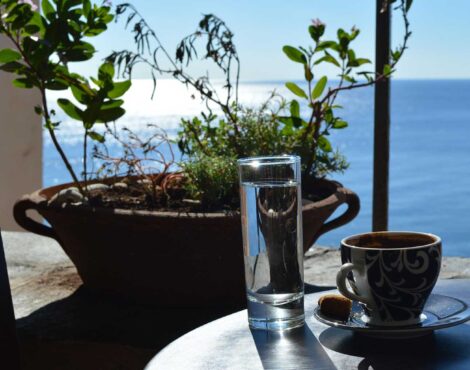
Coffee houses fill by mid-morning as men gather for ritual caffeine and conversation. These morning sessions, lasting hours sometimes, fulfill social functions as important as commercial ones. Politics, sports, local gossip, and philosophical discussions unfold over tiny cups of Greek coffee and glasses of water.
Lunch remains day’s main meal even during winter. Businesses close 2-4 PM as families gather for proper midday dining. This sacred break, protected even when tourism demands otherwise, demonstrates cultural priorities valuing family and sustenance over commercial opportunity.
Afternoon reopening sees renewed but relaxed commercial activity. Without tourist crowds, shops serve regular customers in unhurried manner. Conversations accompany transactions, social elements mattering as much as economic exchange.
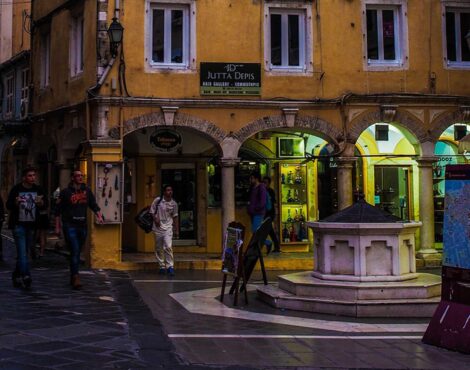
Evening brings volta, traditional promenade where people walk seeing and being seen. Old Town’s main thoroughfares host this ritual as families, couples, and friends stroll in weather-appropriate bundling. This communal activity costs nothing yet provides entertainment and social connection.
Dinner occurs late by northern European standards, 9 or 10 PM common. Tavernas serving locals rather than tourists accommodate this timing. Meals extend through conversation and multiple courses, the experience mattering more than efficiency.
Where Locals Actually Go
Neighborhood bakeries produce daily bread and pastries for local consumption. These small operations, often family-run for generations, provide staples without tourist-oriented variety or pricing. Morning queues form as regulars collect daily requirements, brief exchanges maintaining social fabric.
Municipal markets serve islanders buying fresh fish, meat, produce, and household goods. The atmosphere, entirely Greek-speaking and utilitarian, contrasts sharply with tourist-oriented shops. Observing transactions reveals shopping customs, seasonal availability, and economic realities.
Authentic kafeneions, particularly in villages, maintain traditional character. These male-dominated spaces, though increasingly welcoming women and curious visitors, preserve customs unchanged for decades. Backgammon, cards, coffee, and conversation constitute primary activities.
Tavernas without English menus or tourist concessions serve locals preferring authentic preparations and reasonable prices over sanitized tourist versions. Finding these requires observation, local recommendations, or willingness asking Greek-only establishments about welcoming visitors.
Churches see regular attendance beyond major festivals. Sunday liturgies and weekday services maintain religious observance central to Greek identity. Respectful visitors welcomed but expected understanding this represents genuine worship rather than cultural performance.
Village squares, particularly during evening volta or weekend afternoons, host informal social gatherings. Watching children play, elderly conversing on benches, and families strolling reveals community life’s texture.
Seasonal Work and Activities
Olive harvest extends into January in some groves. This ancient agricultural rhythm continues despite tourism’s economic dominance. Families gather for harvest combining work with reunion, traditional practices meeting modern efficiency.
Property maintenance occupies those in tourism industry. Winter provides opportunity for repairs, improvements, and preparations impossible during operating season. This work sustains properties while employing trades year-round rather than only summer.
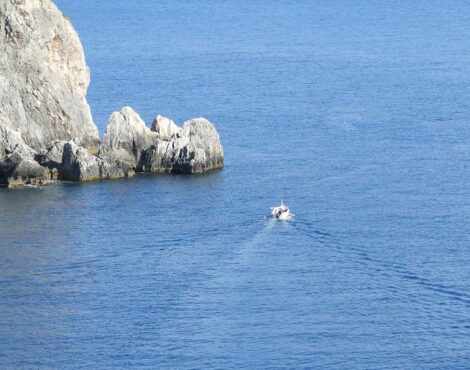
Fishing continues though winter conditions sometimes limit activity. Commercial fishermen maintain their profession year-round, their catches supplying local consumption rather than restaurant tourists. Harbor scenes reveal working waterfront rather than recreational marina.
Wood gathering for heating occupies rural residents. Collecting fallen branches, managing woodlots, and preparing fuel creates connection to land and self-sufficiency incomprehensible to urban visitors. Woodsmoke scenting villages signifies warmth and traditional living.
Government offices, schools, and professional services maintain normal schedules. The island’s administrative and educational functions continue regardless of tourism, reminding that Corfu exists as complete society not merely resort destination.
Religious and Cultural Observances
Epiphany on January 6th celebrates Christ’s baptism through water blessing ceremonies. Priests throw crosses into harbors or rivers, brave swimmers retrieving them for blessing and honor. This ancient tradition continues across Greece with local variations.
Name days, celebrating saints for whom people are named, receive more attention than birthdays traditionally. January includes several important name days, occasions for gatherings, well-wishes, and small celebrations.
Church calendar structures year more than civil calendar for observant Greeks. Understanding liturgical cycles, fasting periods, and feast days provides insight into cultural rhythms influencing daily life.
Superstitions and folk beliefs, though diminishing, still influence some behaviors. Evil eye protection, fortune-telling traditions, and various customs intertwine Orthodox faith with older pagan remnants creating complex belief systems.
Social Norms and Expectations
Formality in initial interactions exceeds northern European or American casualness. Proper greetings, titles, and respectful distance maintained until relationships develop. This formality isn’t coldness but cultural propriety deserving respect.
Family centrality shapes social organization. Extended family obligations, regular gatherings, and mutual support systems operate more intensively than individualistic northern cultures. Understanding this context explains behaviors otherwise seeming inexplicable.
Hospitality traditions mean offering food, drink, and assistance to guests. Accepting graciously and reciprocating appropriately maintains social balance. Refusing hospitality can offend though understanding when offers are genuine versus polite requires cultural literacy.
Directness in speech varies by context. Greeks often communicate more directly than British or Japanese indirectness but less so than Dutch or Israeli frankness. Learning these communication styles prevents misunderstanding.
Gender roles, though evolving, remain more traditional than northern Europe. Public spaces particularly coffee houses skew male. Women’s traditional domains centered home and family though professional women increasingly common.
Economic Realities
Winter unemployment affects seasonal workers lacking year-round positions. This economic reality shapes community life as families manage reduced income until spring hiring begins. Understanding this context reveals tourism’s double-edged impact.
Cost of living for locals differs dramatically from tourist prices. Residents know which shops offer fair pricing, which tavernas provide value, and how negotiating local economy efficiently. This parallel pricing structure remains invisible to casual visitors.
European Union membership and euro adoption transformed economy while creating dependencies. Older residents remember drachma era, comparing past and present with mixed assessments. These economic transitions continue shaping island life.
Property prices, inflated by foreign buyers and tourism investment, price locals out of traditional neighborhoods. This gentrification, though bringing capital, disrupts communities and creates resentment requiring sensitive awareness.
Language and Communication
Greek language capability opens doors closed to English-only visitors. Even basic phrases demonstrate respect and effort, earning warmer reception. Locals appreciate attempts however imperfect rather than assuming English accommodation.
Body language and gestures carry meanings sometimes differing from other cultures. The head tilt indicating “no,” hand gestures with specific meanings, and physical proximity norms require observation and adaptation.
Code-switching between Greek and English occurs fluidly in cosmopolitan contexts. Corfiots accustomed to tourism often switch languages mid-conversation, a linguistic dexterity reflecting island’s international exposure.
Insider Knowledge
Best produce at markets comes early. By late morning, prime selections depleted leaving less desirable items. Locals shop early or establish vendor relationships ensuring quality reserves.
Free WiFi availability at specific cafes and public spaces known to residents. Rather than expensive tourist cafe chains, locals know which establishments offer connectivity without consumption requirements.
Bus schedules, though posted, function more flexibly than northern European precision. Drivers known by name, routes adjusted seasonally, and informal stops accommodating regular riders create system requiring local knowledge for effective use.
January in Corfu through local lens reveals island’s authentic character beyond tourist construction. This perspective, earned through respectful engagement and genuine curiosity, enriches understanding of place as lived reality rather than vacation fantasy. Visitors approaching Corfu as guests in ongoing community rather than consumers in service economy discover depths of culture, complexity of modern Greek life, and human connections transforming travel from superficial tour to meaningful cross-cultural encounter.