Corfu’s Birds & Nature Reserves, A Birder’s Paradise
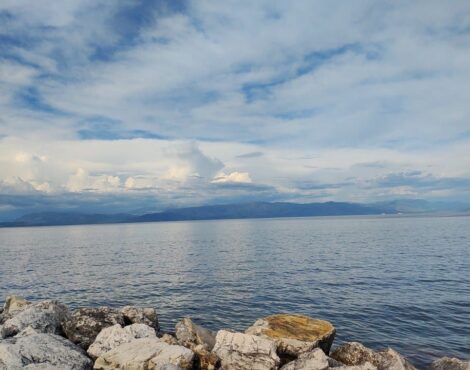
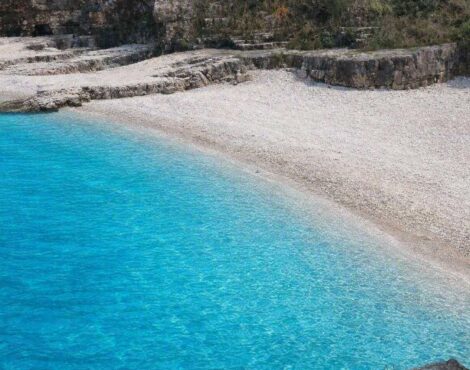
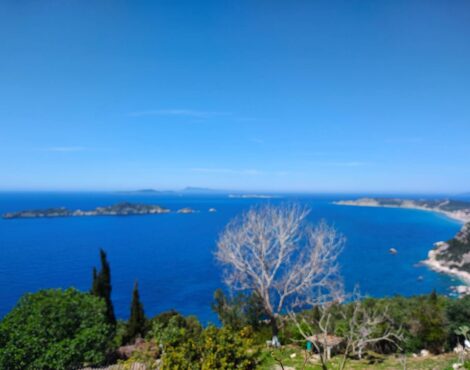
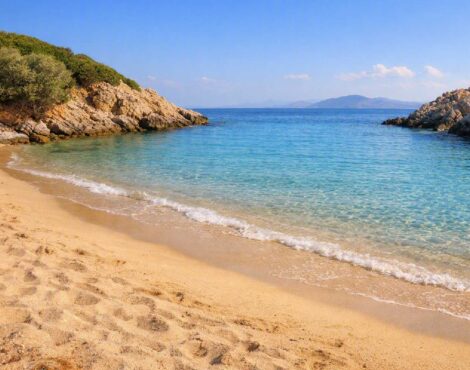
Corfu is not only a destination for sun-seekers and history lovers — it is also a sanctuary for birdwatchers and nature enthusiasts. Thanks to its diverse landscapes, from wetlands and lagoons to olive groves and coastal cliffs, the island is home to an impressive variety of bird species. Migratory routes pass directly over Corfu, making it a seasonal hotspot for rare and beautiful avian visitors.
For those with an eye for wildlife and a love of the outdoors, exploring Corfu’s nature reserves and bird habitats offers a peaceful yet thrilling experience. With binoculars in hand and the soft hum of the countryside in the background, you may find yourself face-to-face with some of Europe’s most captivating feathered creatures.
1. The Lagoon of Antinioti
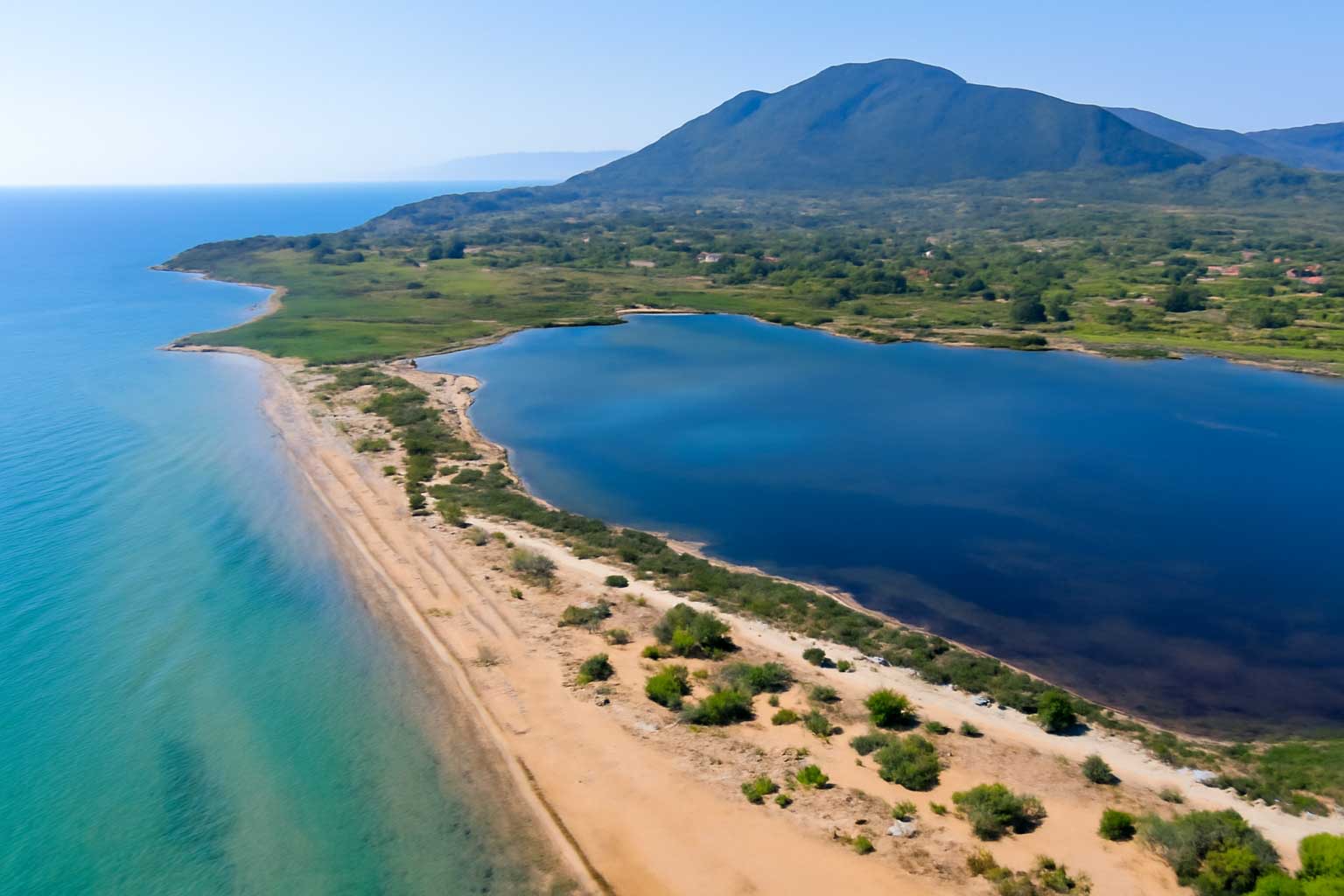
Located in the island’s north, Antinioti Lagoon is a tranquil wetland surrounded by reeds, dunes, and sandy beaches. This area supports a wide variety of birdlife, particularly during migration seasons. Egrets, herons, and kingfishers can often be seen here, alongside rare species such as the purple heron or the squacco heron.
Highlights:
-
Rich biodiversity in both flora and fauna.
-
Boardwalks and trails for easy access.
-
Nearby wild beaches ideal for a post-birding swim.
2. Lake Korission
The largest lagoon on Corfu, Lake Korission is a protected Natura 2000 site that covers an area of about 5,000 acres. It is a haven for over 120 bird species, including flamingos in winter and spring. Sand dunes separate the lagoon from the Ionian Sea, creating a unique ecosystem.
Highlights:
-
Seasonal flamingo sightings.
-
Observation points for bird photography.
-
Combination of freshwater and marine habitats.
3. Lefkimmi Salt Pans
These former salt flats in southern Corfu have become a magnet for wading birds and migratory species. The shallow waters attract avocets, stilts, and plovers, offering a serene and open landscape perfect for spotting birds in flight.
Highlights:
-
Excellent for shorebird photography.
-
Quiet location with minimal disturbance.
-
Ideal in early morning or late afternoon light.
4. Ropa Valley
In the island’s interior, Ropa Valley is a patchwork of wetlands, farmland, and meadows. It’s less visited than coastal reserves but offers great opportunities to see marsh harriers, kestrels, and barn owls. The gentle terrain makes it perfect for a relaxed birdwatching walk.
Highlights:
-
Wide variety of raptors and wetland birds.
-
Scenic rural landscapes.
-
Great spot for cycling as well as hiking.
5. Ermones & Western Cliffs
Birdwatching in Corfu isn’t limited to lagoons — the western cliffs near Ermones are home to seabirds such as shags, cormorants, and even peregrine falcons. The dramatic coastal scenery adds a cinematic backdrop to your birding adventure.
Highlights:
-
Nesting sites for cliff-dwelling birds.
-
Breathtaking views over the Ionian Sea.
-
Combination of hiking and birdwatching.
When to Go
-
Spring (March–May): Peak migration season, with an abundance of species.
-
Autumn (September–November): Another migration wave and mild weather.
-
Winter: Fewer species but unique visitors like flamingos and wintering ducks.
Tips for Birdwatching in Corfu
-
Bring binoculars and a field guide for better identification.
-
Wear neutral-colored clothing to avoid startling birds.
-
Be respectful of nesting areas, especially during breeding season.
-
Plan visits in the early morning or late afternoon for optimal activity.
Corfu’s nature reserves and bird habitats are more than just places to spot wildlife — they are living ecosystems that reveal the island’s quieter, wilder side. Whether you are tracking flamingos at Lake Korission, watching herons wade through Antinioti Lagoon, or spotting raptors over the Ropa Valley, each encounter adds a layer of magic to your Corfu journey. For birders, the island is not just a holiday destination — it’s a paradise waiting to be explored.