Table of Contents
Corfu Wine Tours: Discovering Ionian Wines and Local Vineyards
Vineyards carpeting Ropa Valley hillsides signal Corfu’s wine renaissance. For centuries, olive oil dominated agricultural economy relegating viticulture to marginal home production. Recent decades brought transformation as passionate vintners recognized potential in indigenous grape varieties and favorable terroir. Today, boutique wineries produce distinctive wines expressing Corfu’s unique character through flavors impossible to replicate elsewhere. Wine tourism, though nascent compared to established regions, offers intimate encounters with winemakers, education about indigenous varieties, and discovery of flavors that surprise visitors expecting only olive oil from this Mediterranean island.
Understanding Corfu’s Wine Revival
Phylloxera devastation in late 19th century destroyed European vineyards including Greek islands. Recovery took decades, and many regions including Corfu never fully restored traditional viticulture. The 20th century saw olive cultivation overwhelming wine production as economically superior choice. By 1990s, serious commercial winemaking had virtually disappeared from Corfu.
The renaissance began in late 1990s when pioneering producers recognized opportunities in indigenous varieties and modern techniques. Kakotrygis and Petrokoritho, surviving in scattered old vines and home gardens, provided genetic material for new plantings. European Union agricultural funding supported vineyard establishment and equipment purchases. Tourism growth created markets for premium local wines.
Contemporary Corfu wine industry remains small with approximately dozen serious producers. Production volumes modest compared to Greek mainland regions but quality trajectory impresses critics. The island positions itself as boutique wine destination emphasizing quality over quantity, distinctive indigenous varieties over familiar internationals, and intimate experiences over mass tourism.
Indigenous Grape Varieties
Kakotrygis, Corfu’s signature red grape, translates roughly as “bad harvest,” perhaps referencing irregular yields. Despite unpromising name, proper viticulture and winemaking create excellent medium to full-bodied reds. The variety produces deep-colored wines with moderate tannins and flavor profiles including dark fruits, Mediterranean herbs, and spice notes. Its uniqueness to Ionian region creates wines impossible finding elsewhere globally.
Petrokoritho, indigenous white variety, literally means “stone berry” referencing the grape’s hardness. This resilient variety thrives in Corfu’s conditions producing fresh, aromatic wines with citrus, stone fruit, and floral notes. The grape nearly disappeared during 20th century viticulture decline but revival efforts preserved this genetic heritage.
Both varieties require specific growing conditions and skilled handling. Their distinctiveness means no established international knowledge base; Corfiot winemakers learn through experimentation and accumulated experience. This ongoing discovery process adds excitement as each vintage reveals more about varieties’ potential.
International varieties complement indigenous grapes in many wineries’ portfolios. Syrah adapts particularly well producing ripe, concentrated wines. Cabernet Sauvignon, Merlot, Chardonnay, and others provide familiar options while demonstrating how Corfu terroir expresses itself through globally recognized varieties.
Ropa Valley Wine Region
Ropa Valley, Corfu’s only significant flat area, concentrates commercial wine production. The valley’s alluvial soils, moderate elevation, and protected position create favorable conditions. Easy access and available land enabled modern winery development when revival began.
Several producers operate valley facilities ranging from family operations producing few thousand bottles annually to larger estates reaching tens of thousands. Proximity enables convenient multi-winery tours covering diverse styles and philosophies within limited area.
Valley floor vineyards benefit from deep soils and water availability enabling higher yields than hillside locations. Quality considerations and varietal characteristics determine actual production levels. Modern trellising systems and canopy management optimize sun exposure and air circulation.
Surrounding hillsides host newer vineyard developments. Elevated sites offer better drainage, increased sun exposure, and greater diurnal temperature range potentially producing more concentrated, complex wines though lower yields increase costs.
Microclimate variations within relatively small valley create differences affecting grape ripening and wine character. North-facing slopes receive less intense sun suitable for varieties preferring cooler conditions. South-facing exposures ripen red grapes more completely. These nuances allow matching varieties to optimal sites.
Winery Experiences and Tour Options
Most Corfu wineries welcome visitors by appointment during operating season. Typical visits include vineyard walks explaining viticulture practices, production facility tours showing winemaking processes, and tastings sampling current releases. Duration ranges 60-90 minutes for basic tours to half-day experiences including food pairings.
Tastings showcase estate wines from entry-level offerings through premium bottlings. Knowledgeable guides explain grape varieties, winemaking techniques, and flavor profiles while answering questions. These educational components transform simple drinking into learning experiences deepening wine appreciation.
Food pairings elevate tastings beyond wine-only focus. Local cheeses, charcuterie, olives, and traditional dishes accompany wines demonstrating complementary flavors. These pairings reveal how wine enhances food and vice versa while showcasing regional cuisine.
Harvest season visits, typically September-October, allow observing active winemaking. Seeing grape picking, crushing, fermentation, or other processes creates understanding impossible through static facility tours. The intensity and urgency of harvest brings wineries alive.
Some facilities offer accommodations or partner with nearby lodging enabling extended wine-focused stays. Multi-day programs combining tastings, vineyard work, cooking classes, and relaxation create immersive wine tourism experiences.
Private tours accommodate serious collectors and wine professionals seeking depth beyond standard offerings. Extended tastings including library wines, barrel samples, and special bottlings provide comprehensive understanding. These tailored experiences, though pricier, deliver value for knowledgeable audiences.
Pairing Corfu Wine with Local Cuisine
Corfiot cuisine’s unique character, blending Venetian, Greek, and British influences, creates interesting pairing challenges and opportunities. The island’s distinctive dishes require wines handling diverse flavors and preparations.
Pastitsada, traditional beef or rooster stew with tomato and spice, pairs excellently with Kakotrygis. The wine’s structure and flavor complexity match dish richness while spice notes in both create harmonious combinations. This classic pairing demonstrates indigenous variety’s compatibility with local cuisine.
Sofrito, veal in white wine garlic-parsley sauce, needs white wine matching delicate flavors without overwhelming. Petrokoritho’s fresh character and moderate intensity complements perfectly. The wine’s citrus notes echo dish’s brightness creating balanced pairing.
Fresh fish prepared simply with lemon and olive oil requires clean, crisp white wine. Petrokoritho or international white varieties provide refreshing accompaniment without competing with delicate fish flavors. Wine acidity cuts through olive oil richness.
Bourdeto, spicy fish stew, challenges wine pairing with intense flavors and heat. Fuller-bodied whites or light reds with good acidity handle the dish’s intensity. The wine must match flavor power while providing relief from spice.
Local cheeses including aged varieties pair with both red and white Corfiot wines depending on cheese style and wine structure. Wine and cheese tastings demonstrate these compatibilities while educating about local dairy products.
Best Times for Wine Tourism
January through March offers intimate experiences with winemakers having more time for extended discussions than busy summer months. Reduced visitor numbers mean personalized attention and flexibility in scheduling. However, limited hours and fewer staff require advance planning.
Spring, particularly April-May, combines pleasant weather with pre-season preparation activities. Vineyards show fresh growth and wildflowers bloom throughout valley. Winemakers prepare for upcoming season while recent vintages represent their work.
Summer brings peak tourism and maximum winery operating hours. Multiple daily tours accommodate visitors though experiences become less personal with larger groups. The combination of wine tourism and beach vacation appeals to many visitors.
Harvest season September-October provides most authentic winery experiences. Observing actual wine production rather than just facilities creates understanding and excitement. The valley buzzes with activity as grapes arrive and fermentations begin.
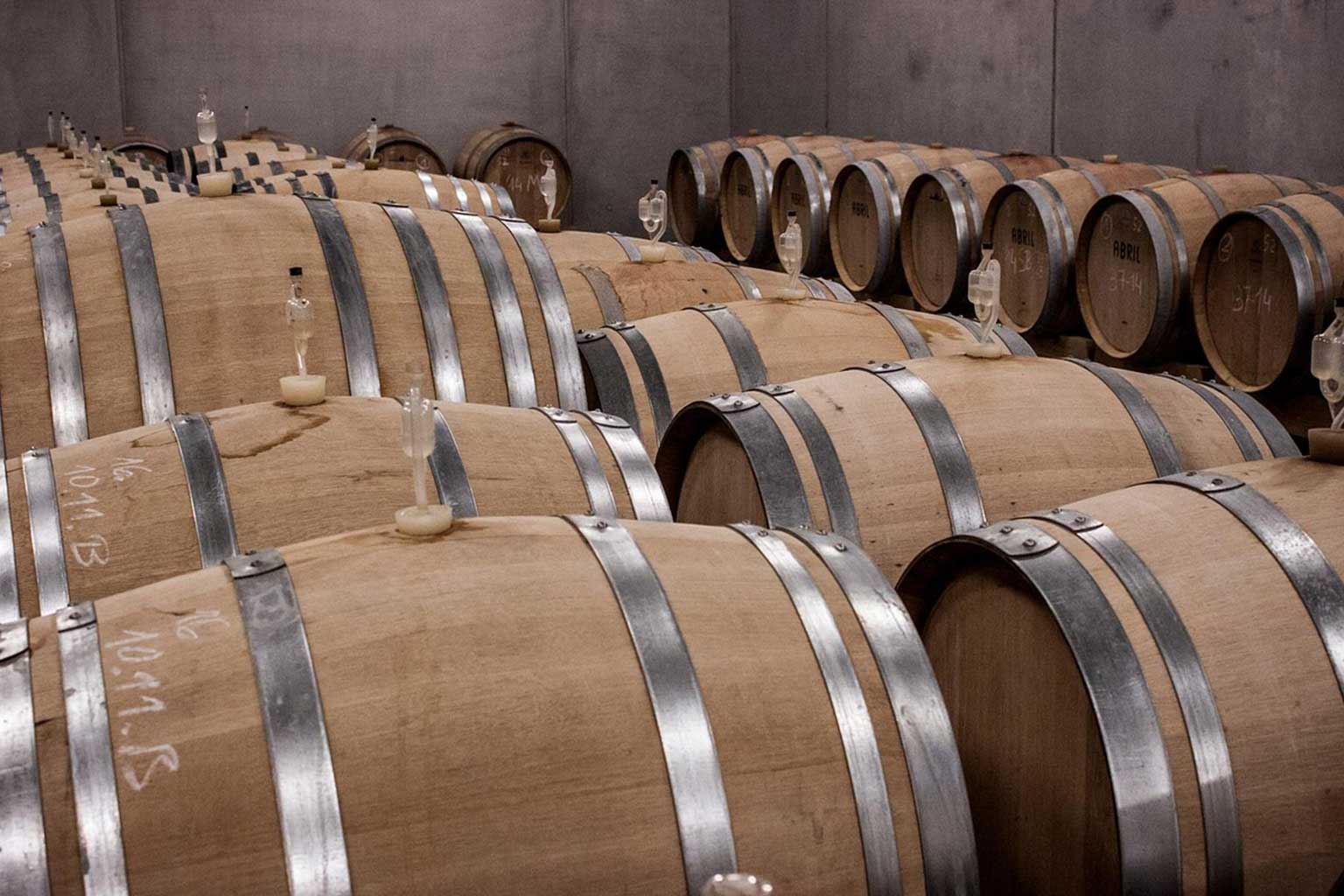
November-December transitions toward winter with reduced operations but still accessible visits. Recent harvest wines may be available for early tasting while previous vintage wines fully integrated their oak aging.
Practical Planning Considerations
Transportation requires planning since public transit doesn’t serve wineries. Renting cars provides flexibility though creates designated driver challenges when tasting multiple wines. Many visitors hire drivers or join organized tours eliminating this concern.
Tasting fees vary by winery and experience level. Basic tastings may cost 10-15 euros while premium experiences command higher prices. Many wineries waive fees with wine purchases. Budget accordingly for multiple winery visits.
Purchasing wine directly from producers ensures authenticity while often providing better value than retail. Wineries ship domestically though international shipping proves expensive and complicated. Hand carrying bottles in checked luggage remains most practical for tourists.
Combining wine tours with other activities creates balanced days. Visiting one or two wineries plus cultural sites, beaches, or other attractions prevents over-tasting while maximizing vacation diversity.
Designated drivers or tour services allow everyone enjoying tastings safely. Organized wine tours, while limiting flexibility, eliminate logistics while providing knowledgeable guides and coordinated experiences.
Advance reservations essential particularly for smaller wineries with limited staff. Calling or emailing days or weeks ahead ensures availability and allows customizing visits to specific interests.
Corfu wine tourism offers discovery experiences unavailable in established regions. The intimate scale, passionate winemakers, and indigenous varieties create encounters impossible in commercialized destinations. Whether wine enthusiast seeking rare varieties or casual tourist curious about local production, Corfu’s wineries welcome visitors into their revival story, sharing wines expressing this island’s unique terroir through flavors found nowhere else while demonstrating that Mediterranean islands offer far more than beaches and ancient ruins.