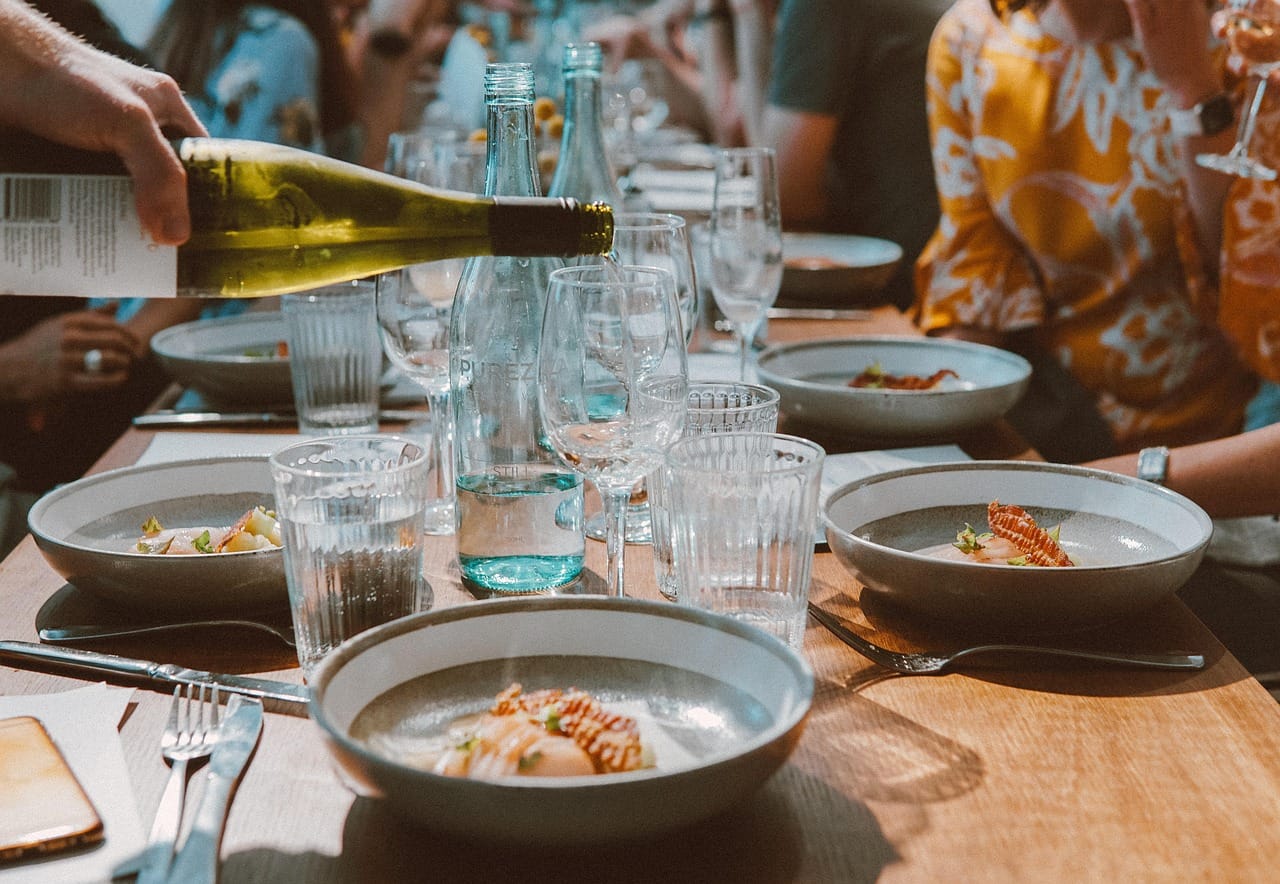
Corfu Wine Tours: Discovering Corfiot Wines and Vineyards
Vineyards cascade down hillsides where olives once monopolized agricultural landscapes. Modern wineries equipped with stainless steel fermentation tanks rise where traditional farmhouses stood. Corfu’s wine renaissance, barely two decades old, transforms the island’s relationship with viticulture. Though Greek wine culture stretches back millennia, Corfu remained peripheral until recent revival efforts. Today, passionate vintners craft distinctive wines from indigenous grapes while welcoming visitors to discover this emerging wine destination. The tours, tastings, and vineyard experiences reveal both ancient viticulture and contemporary innovation.
Historical Context and Revival
Ancient Greeks revered wine, its production and consumption central to religious, social, and economic life. Corfu surely produced wine historically though documentation remains scarce. Venetian period records mention viticulture though never achieving the prominence of olive oil production.
Phylloxera devastation in late 19th century destroyed European vineyards including Greek islands. Recovery took decades and never fully restored traditional vine cultivation in many areas. Corfu shifted increasingly toward olives and other crops, viticulture becoming marginal.
Mid-20th century saw minimal wine production. Small family plots produced basic table wine for personal consumption. No commercial quality production existed. Those wanting good wine imported from mainland Greece or abroad.
The 1990s brought renaissance beginnings. Pioneering producers recognized potential in Corfu’s terroir and indigenous varieties. Experimental plantings, modern techniques, and quality focus initiated transformation. Early results encouraged further investment.
The 2000s accelerated development. Multiple new wineries established operations. EU agricultural funding supported vineyard development and equipment purchases. Tourism growth created market for local premium wines. Restaurants featuring Corfiot bottles validated quality improvements.
Today, Corfu claims roughly a dozen serious producers ranging from boutique estates to larger operations. Total production remains modest by Greek standards but quality trajectory impresses wine critics and enthusiasts. The island positions itself as emerging premium wine destination rather than mass producer.
Indigenous Grape Varieties
Kakotrygis, Corfu’s signature red grape, produces wines with distinctive character. The name translates roughly as “bad harvest,” perhaps referencing irregular yields or difficulty cultivation. Despite unpromising name, proper handling creates excellent medium to full-bodied reds.
Kakotrygis wines display deep color, moderate tannins, and flavor profiles including dark fruits, herbs, and spice notes. Some describe Mediterranean character reflecting terroir influences. The variety’s uniqueness to Ionian region creates wines impossible to replicate elsewhere.
Petrokoritho, indigenous white variety, produces fresh, aromatic wines. Literally meaning “stone berry,” the name references the grape’s hardness and resilience. The variety thrives in Corfu’s conditions producing wines with citrus, stone fruit, and floral notes.
Both varieties nearly disappeared during 20th century as viticulture declined. Surviving old vines in abandoned plots provided genetic material for modern propagation. This rescue from near extinction adds poignancy to current renaissance.
International varieties complement indigenous grapes. Syrah particularly adapts well to Corfu’s climate producing ripe, concentrated wines. Cabernet Sauvignon, Merlot, and other classic varieties appear in blends and varietal bottlings.
White international grapes including Chardonnay, Sauvignon Blanc, and Vermentino produce wines ranging from easy-drinking to complex and age-worthy. These familiar varieties attract wine drinkers uncertain about indigenous grapes while showcasing Corfu terroir through internationally recognized lenses.
Experimental plantings continue as producers test varieties potentially suited to local conditions. Climate change, market demands, and viticultural curiosity drive ongoing grape selection evolution. The next decades will reveal which varieties become permanent Corfu staples.
The Ropa Valley Wine Region
Ropa Valley, Corfu’s largest flat area, concentrates most commercial wine production. The valley’s alluvial soils, moderate elevation, and protected position create favorable viticulture conditions. Easy access and available land enabled modern winery development.
Several major producers operate Ropa Valley facilities. These range from family operations producing few thousand bottles annually to larger estates reaching tens of thousands. Proximity enables convenient multi-winery tours covering diverse styles and approaches.
Valley floor vineyards benefit from deep soils and water availability. Higher yields possible than hillside locations though quality considerations limit production levels. Modern trellising and management optimize sun exposure and air circulation.
Surrounding hillsides host newer vineyard developments. These elevated sites offer better drainage, increased sun exposure, and greater temperature diurnal range. Many believe hillside fruit produces more concentrated, complex wines though lower yields increase costs.
Microclimates within relatively small valley create variation. North-facing slopes receive less intense sun suitable for white varieties. South-facing exposures ripen red grapes more completely. Valley floor fog patterns influence disease pressure and ripening patterns.
Irrigation infrastructure supports viticulture in region where summer drought challenges vine growth. Drip systems deliver precise water amounts maintaining vine health while controlling vigor. Balanced irrigation management proves critical for quality production.
The valley’s scenic beauty enhances winery visits. Vineyard views framed by mountains create picturesque settings. Sunset over vines provides Instagram-worthy moments supporting wine tourism appeal.
Winery Experiences and Tours
Most Corfu wineries welcome visitors by appointment. Typical tours include vineyard walks explaining viticulture practices, production facility tours showing winemaking process, and tastings sampling current releases. Duration ranges one to three hours depending on winery and chosen experience level.
Basic tours focus on standard wine line tastings. Visitors sample entry-level through premium offerings learning about grape varieties, winemaking techniques, and flavor profiles. Knowledgeable guides explain characteristics and answer questions. These introductory experiences suit casual wine drinkers and curious tourists.
Premium tours add food pairings showcasing wine and cuisine compatibility. Local cheeses, charcuterie, and traditional dishes accompany wines demonstrating complementary flavors. These extended experiences reveal how wine enhances food and vice versa.
Harvest season tours, typically September and October, include active winemaking observation. Visitors might see picking, crushing, or fermentation processes. The intensity and urgency of harvest creates exciting atmosphere contrasting with quieter off-season visits.
Some wineries offer blending workshops where participants create custom wines from different varietals or barrels. These interactive experiences teach blending art while providing personalized souvenirs. The hands-on approach appeals to wine enthusiasts wanting deeper engagement.
Accommodations at or near wineries enable multi-day wine-focused stays. Guest rooms, farm stays, or affiliated lodging facilitate extended experiences. Morning vineyard walks, afternoon tastings, and evening dinners create immersive wine tourism programs.
Private tours accommodate serious collectors and wine professionals. Extended tastings including library wines, barrel samples, and special bottlings provide depth impossible in standard tours. These tailored experiences cater to knowledgeable audiences seeking comprehensive understanding.
Wine and Food Pairing
Corfiot cuisine’s unique character, blending Venetian, Greek, and British influences, creates interesting wine pairing challenges and opportunities. The island’s food requires wines handling diverse flavors and preparations.
Pastitsada, traditional beef or rooster stew with tomato and spice, pairs excellently with Kakotrygis. The wine’s structure and flavor complexity match the dish’s richness. Both feature spice notes creating harmonious combinations.
Sofrito, veal cooked in white wine, garlic, and parsley sauce, needs white wine matching delicate flavors without overwhelming. Petrokoritho’s fresh character and moderate intensity complements perfectly. The wine’s citrus notes echo dish’s brightness.
Fresh fish prepared simply with lemon and olive oil requires clean, crisp white wine. Petrokoritho or international white varieties provide refreshing accompaniment without competing. The wines’ acidity cuts through olive oil richness.
Bourdeto, spicy fish stew, challenges wine pairing with intense flavors and heat. Fuller-bodied whites or light reds with good acidity handle the dish. The wine must match intensity while providing relief from spice.
Local cheeses including aged varieties pair with both red and white Corfiot wines. Strong cheeses require robust reds while fresh cheeses match crisp whites. Wine and cheese tastings demonstrate these compatibilities.
Olive oil bread dipping, ubiquitous appetizer, needs wines with sufficient body and flavor standing up to quality olive oil. Both red and white Corfiot wines, reflecting same terroir producing excellent olives, create natural matches.
Desserts featuring kumquat, Corfu’s signature fruit, pair with late harvest or dessert wines. Though Corfu produces limited dessert wines, existing examples demonstrate potential. The citrus notes in kumquat complement wine sweetness.
Buying and Collecting Corfiot Wines
Winery direct purchases offer best selection and often better prices than retail. Most wineries maintain tasting rooms selling complete portfolios. Staff provide guidance selecting wines for immediate consumption or aging.
Retail availability within Corfu varies. Some wine shops stock comprehensive local selections. Supermarkets carry basic offerings though premium bottlings rarely appear. Tourist areas feature higher prices and limited selection compared to local shops.
Exporting purchased wines requires planning. Hand carrying bottles in checked luggage remains most practical for small quantities. Commercial shipping expensive and complicated given Greek regulations and international logistics.
International availability remains limited. Some specialty importers carry Corfiot wines in major markets. Online retailers occasionally stock selections though limited production constrains distribution. Export potential exists but infrastructure development needed.
Pricing reflects small production scale and quality focus. Entry-level wines compare reasonably with Greek competitors. Premium bottlings command higher prices justified by quality and limited availability. Compared to international wines of similar quality, Corfiot bottles offer good value.
Aging potential varies by wine style. Robust Kakotrygis reds benefit from cellaring, developing complexity over five to ten years. Most whites intended for near-term consumption though some premium examples age gracefully. Winery staff provide drinking window guidance.
Collecting Corfiot wines supports local producers while building portfolios of limited, distinctive bottles. The wines’ rarity and improving quality create potential long-term interest and value appreciation.
Sustainable and Organic Practices
Environmental consciousness influences many Corfu producers. Organic and biodynamic farming gaining adoption as vintners recognize sustainability importance. Chemical input reduction, biodiversity promotion, and soil health emphasis characterize progressive viticulture.
Organic certification, though not universal, increasingly common. Certified organic vineyards follow strict protocols eliminating synthetic pesticides and fertilizers. The approach suits Corfu’s relatively healthy vineyard conditions where disease pressure moderate compared to humid regions.
Biodynamic practices, going beyond organic, incorporate holistic farming philosophy. Cosmic rhythms, special preparations, and closed-loop farm systems characterize this approach. Several Corfu producers experiment with biodynamic principles.
Water conservation critical given summer drought. Drip irrigation, deficit irrigation strategies, and drought-resistant rootstocks reduce water demand. Sustainable water management ensures long-term viability in potentially changing climate.
Energy use reduction through renewable sources and efficiency improvements lowers carbon footprints. Solar panels, gravity-flow winery design, and equipment efficiency upgrades demonstrate environmental commitment. Some wineries achieve partial or complete energy independence.
Packaging considerations include lightweight bottles reducing transportation impacts, screw caps avoiding cork waste, and minimal packaging reducing materials. These choices balance tradition with environmental responsibility.
Wildlife habitat preservation maintains biodiversity. Cover crops, hedgerows, and unmowed areas support beneficial insects and birds. This biological diversity provides natural pest control while enhancing ecosystem health.
The Future of Corfiot Wine
Production expansion seems likely as more land converts to viticulture. Current production meets only fraction of tourist and local demand. Room exists for growth without compromising quality focus or overwhelming agricultural landscape.
Quality improvements continue as vines mature and winemakers refine techniques. Young vineyards haven’t reached full potential. Experience accumulated over additional vintages will enhance consistency and complexity.
Tourism integration positions wine as Corfu experience component rather than isolated activity. Wine tours combined with cooking classes, cultural visits, and outdoor activities create comprehensive tourism products appealing to sophisticated travelers.
Recognition beyond Greece remains goal. International wine competitions, critic reviews, and export growth would validate quality and establish Corfiot wines on world stage. The island’s unique varieties offer differentiation in crowded global market.
Climate change presents challenges and opportunities. Warming trends may enhance ripening while requiring adaptation strategies. Variety selection, irrigation management, and timing adjustments enable responding to changing conditions.
Generational transition as pioneering producers age raises succession questions. Whether children continue family operations or new entrepreneurs enter determines future character. Passion and commitment essential for ongoing success.
Collaboration among producers strengthens collective position. Shared marketing, combined tourism offerings, and cooperative research benefit all. The rising tide lifting all boats principle applies particularly to emerging regions establishing reputations.
Walking between vine rows where grapes ripen under Mediterranean sun, tasting wines expressing terroir uniquely Corfiot, and meeting passionate producers reveals island dimensions beyond beaches and history. The wine renaissance, though young, transforms agriculture, tourism, and island identity. Those exploring this emerging scene witness genuine development rather than manufactured attraction, the authenticity that makes discovery meaningful. Corfu’s wines tell stories of place, persistence, and potential still unfolding.