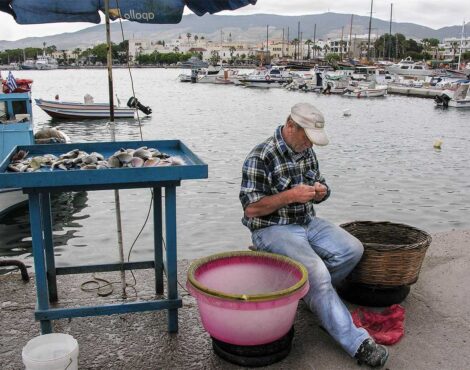

Corfu has long been an island of farmers. Olive groves, vineyards, orchards and vegetable gardens cover its hills and valleys. In recent years a new wave of organic farming has taken root, continuing old traditions while responding to modern needs. Across the island, small producers and families are working with the land in sustainable ways, offering fresh food that goes directly from garden to table.
Roots in Tradition
For centuries Corfiots grew their food naturally. Olive oil, wine, vegetables and fruits were cultivated without chemicals, simply because such products did not exist. Families kept gardens near their homes and grew what they needed. Tomatoes, beans, zucchini and herbs were staples, while citrus fruits and grapes were shared among neighbors. This traditional self-sufficiency forms the foundation of today’s organic movement.
The Rise of Organic Farms
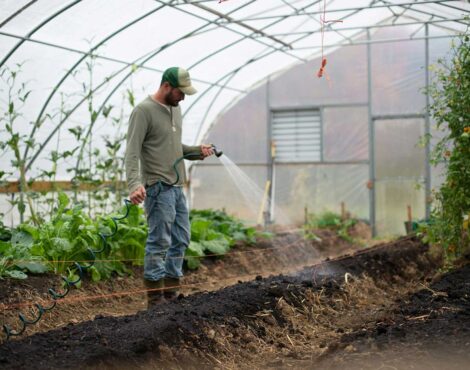
As awareness about health and the environment has grown, Corfu has seen an increase in certified organic farms. These farms avoid pesticides and synthetic fertilizers, focusing instead on soil health, biodiversity and seasonal cycles. Many are family-run, combining modern techniques with knowledge passed down from earlier generations.
Visitors can find organic olive oil, honey, wine, vegetables and even specialty products such as herbal teas, essential oils and artisanal cheeses. Farmers’ markets in Corfu Town and local villages often showcase these goods.
Olive Groves and Olive Oil
Olive oil remains at the heart of Corfu’s farming identity. Organic producers harvest olives by hand, use modern cold-pressing methods and avoid chemicals in both soil and processing. The result is extra virgin olive oil rich in flavor and nutrients, reflecting the character of the island’s ancient groves.
Vineyards and Wine
Alongside olive oil, vineyards are embracing organic methods. Wineries cultivate local grapes like Kakotrygis and combine them with natural winemaking approaches. The use of fewer additives and respect for natural fermentation allow wines to express their terroir more authentically.
Fruits, Vegetables and Herbs
Organic farms across Corfu supply a wide range of seasonal produce. Strawberries and peaches in spring, tomatoes and melons in summer, chestnuts and pumpkins in autumn. Herbs such as oregano, rosemary, sage and mint thrive in the island’s climate and are dried or turned into teas and oils. Many farms sell directly to restaurants and hotels that emphasize fresh, local menus.
Beekeeping and Honey
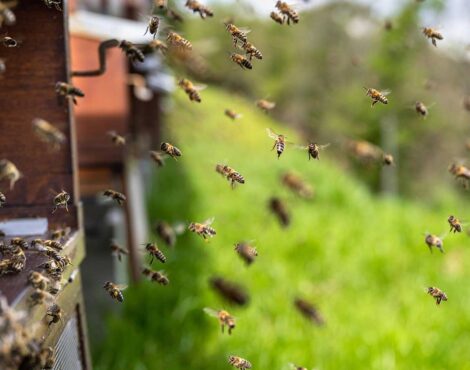
Beekeeping is another area where organic principles are strong. Corfiot honey reflects the flowering of thyme, citrus, heather and wild herbs. Organic beekeepers avoid chemicals, focusing on hive health and biodiversity. Honey is sold alongside beeswax candles, propolis and royal jelly, all part of Corfu’s natural wealth.
Farm-to-Table Experiences
Many farms now invite visitors to experience organic agriculture first-hand. Guests can tour olive groves, pick vegetables, watch cheese being made or join a cooking class using fresh products. These farm-to-table experiences are popular with travelers seeking authenticity. They also support small farmers, helping keep traditions alive.
Challenges and the Future
Organic farming in Corfu faces challenges. Small plots, high costs of certification and competition from mass imports make it difficult for some farmers. Yet the demand for quality, local and healthy food is growing. Support from eco-tourism and restaurants committed to sustainability gives hope that organic farming will expand further.
A Living Connection
To eat organic food in Corfu is to taste more than freshness. It is to connect with the island’s soil, climate and history. From garden to table, organic farming represents a bridge between tradition and the future, between family labor and global awareness. It shows that the island’s landscape is not only beautiful but also fertile, sustaining communities and visitors alike.