Corfu, an island with a long-standing history and rich cultural diversity, holds a deep-rooted viticultural tradition that combines influences from both East and West. Wine production in Corfu is not merely an agricultural activity—it is a living expression of culture, taste, memory, and tradition. Over the centuries, Corfiot wines have reflected the changing tides of society, the economy, and even the land itself.
The cultivation of vineyards in Corfu stretches far back into antiquity. As early as ancient times, the Phaeacians—mythical inhabitants of the island—are said to have cultivated vines and produced wine. The island’s favorable geographical position, fertile land, hilly terrain with good drainage, and mild Mediterranean climate created ideal conditions for viticulture. During both the Roman and Byzantine periods, wine production continued to play a significant role, albeit more for local consumption than for commercial trade.
A significant boost to vine cultivation and wine production came during the Venetian rule (1386–1797). The Venetians, who highly valued wine as a commodity of cultural and economic worth, promoted wine production throughout the Ionian Islands, including Corfu. It is no coincidence that many grape varieties present on the island today bear Italian or Latin names—a legacy of that period.
In more recent times, after Corfu was united with the modern Greek state in 1864, wine production experienced several transitions. As the island’s agricultural economy shifted and tourism became a dominant industry, traditional winemaking saw a marked decline. However, in recent decades, a renewed interest in local products and alternative forms of agritourism has breathed new life into Corfu’s wine sector. The island is once again emerging as a destination for authentic wine experiences.
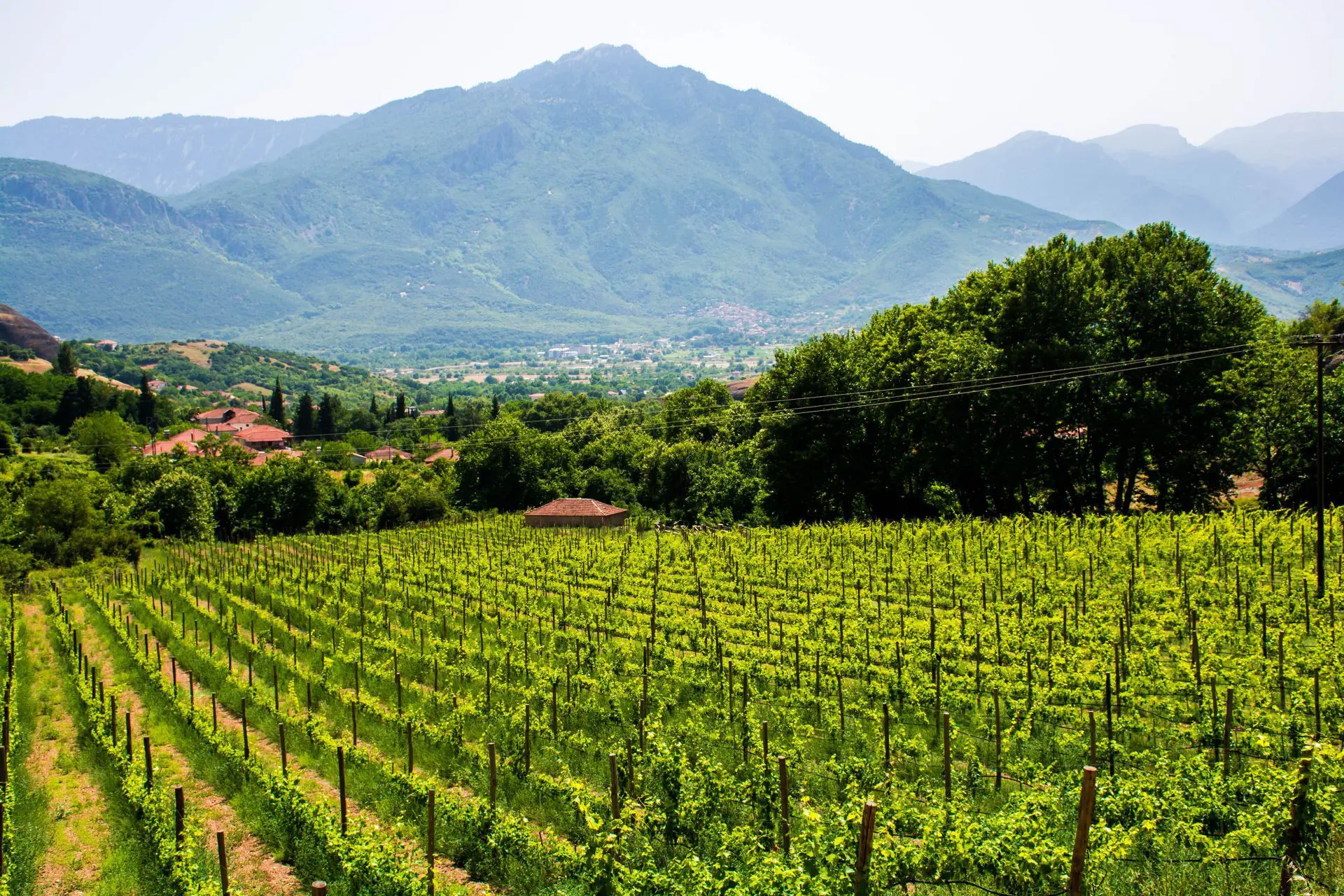
Corfu’s unique geomorphology plays a crucial role in supporting high-quality viticulture. The landscape is marked by hills, fertile valleys, rocky terrains, and a wide range of microclimates. Regions with both high humidity and abundant sunshine offer ideal growing conditions for specific grape varieties. Additionally, the island’s limestone-rich subsoil contributes minerality and distinctive character to the wines. Proximity to the sea also plays a vital role, moderating temperatures and allowing grapes to ripen slowly and evenly, which helps preserve their aromas and freshness.
Corfu is home to an impressive spectrum of grape varieties, both indigenous and introduced. Several of these are unique to the island and are cultivated in only a few limited areas. One standout variety is Kakotrygis, a white grape that is particularly well adapted to local weather conditions. It yields wines with medium body, low alcohol levels, and delicate aromas of fruit and flowers. The name Kakotrygis likely derives from the difficulty of harvesting, as the grape ripens late in the season. Wines made from Kakotrygis are ideal for those who appreciate light, elegant wines and pair beautifully with traditional Corfiot dishes like bourdeto (a spicy fish stew) or seafood-based meals.
Another noteworthy variety is Skopelitis, a red grape that likely takes its name from the island of Skopelos but has become well acclimatized to Corfu’s environment. Wines from Skopelitis have medium body, soft tannins, and a fruity character, making them an excellent choice for everyday consumption.
Despite its relatively modest industrial output compared to larger winemaking regions in Greece, Corfu hosts a number of noteworthy small and medium-sized wineries. These producers are dedicated to quality, the promotion of local grape varieties, and the development of wine tourism. Many of the island’s wineries welcome visitors for tours and tastings, offering them a glimpse not only into the final product but also into the philosophy behind the production. Family-run businesses often blend traditional techniques with modern technology to highlight the unique characteristics of Corfu’s terroir.
Wine is deeply interwoven with Corfu’s daily life and gastronomy. From rural celebrations to elegant dinners in aristocratic manors, wine has always held a prominent place at the table. During local festivities, religious feasts, Easter banquets, and weddings, wine accompanies moments of joy as well as everyday gatherings of friends and family. This relationship also has strong cultural expressions. The stomping of grapes, the rituals of the grape harvest, traditional songs, and sayings about wine form an integral part of the island’s popular traditions and oral heritage.