Corfu's Historical Archives: Discovering Island Stories
Behind heavy wooden doors in Old Town buildings, Corfu’s documented past awaits discovery. Archives preserve centuries of island history through official records, personal papers, maps, and correspondence revealing how Corfiots lived, governed, traded, and survived across tumultuous eras. These collections, though less celebrated than architectural monuments or natural beauty, constitute irreplaceable cultural heritage offering scholars and curious visitors alike opportunities uncovering stories that bring history alive. Understanding what archives contain and how to access them opens dimensions of Corfu invisible in conventional tourism yet essential for comprehending the island’s complex character.
The Corfu Reading Society
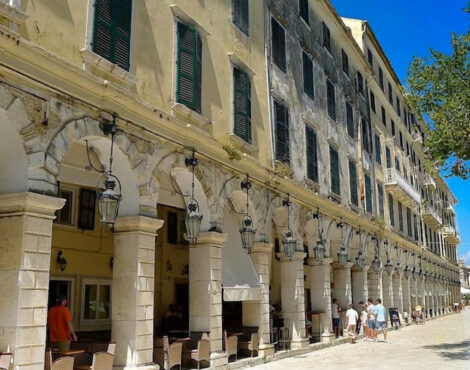
The Corfu Reading Society, founded 1836, represents Greece’s oldest cultural institution of its kind. The neoclassical building near Spianada houses remarkable library and archive collection assembled across nearly two centuries. Walking into the reading room feels like entering different era where knowledge and quiet contemplation still hold primacy.The library contains over 30,000 volumes including rare books, first editions, and comprehensive collections on Ionian history, Greek literature, and European culture. Special collections include works from personal libraries of prominent Corfiots donated over generations. These accumulations reflect intellectual currents shaping island culture across two centuries.
Manuscript collections preserve personal papers of writers, politicians, and notable families. Letters, diaries, and unpublished works provide intimate glimpses into individual lives and private thoughts rarely revealed in official histories. Reading these personal documents creates connection across time impossible through impersonal historical accounts.Periodicals and newspapers dating back to 19th century document daily life, political debates, cultural events, and commercial activities. These serial publications, browsable in bound volumes, reveal evolving concerns, changing language, and social transformations across generations.
Maps and visual materials including old photographs, engravings, and architectural plans document physical changes to island landscape and built environment. Comparing historical maps with current geography reveals how coastlines, roads, and settlements evolved.The Reading Society welcomes serious visitors though maintains quiet, studious atmosphere. Basic identification required for access. Photography policies vary by material. Staff, knowledgeable about collections, assist researchers navigating holdings though primarily Greek-speaking.
State and Municipal Archives
Official government records preserved in State Archives document administrative history from Venetian period through modern era. These bureaucratic papers, though dry individually, collectively reveal how island was governed, taxed, defended, and developed.
Venetian period records include administrative correspondence, tax rolls, legal judgments, and commercial licenses. Written primarily in Venetian Italian with some Greek, these documents span 1386-1797 period of Republic’s rule. Researchers studying Venetian administration, economic history, or social structures find invaluable primary sources.
British Protectorate documents covering 1815-1864 provide English-language sources documenting this unique period. Colonial administration records, infrastructure development plans, educational initiatives, and commercial regulations reveal British impact on island modernization.
Greek state records from 1864 forward document incorporation into modern Greece. Census data, property records, school enrollment, and countless other administrative papers track island’s integration into Greek nation and subsequent development.
Municipal archives contain local government records including building permits, market regulations, public works projects, and community disputes. These hyperlocal documents illuminate neighborhood histories and everyday administrative challenges invisible in grand historical narratives.
Access requires formal research application stating purpose and credentials. Researchers need patience navigating bureaucratic procedures but persistent effort yields rich rewards. Digitization projects increasingly make documents available online though much material remains accessible only in person.
Church and Monastic Archives
Orthodox churches and monasteries maintain baptismal registers, marriage records, death certificates, and property documents spanning centuries. These ecclesiastical archives, sometimes predating civil records, provide crucial genealogical information and community history.
Parish registers record life events with remarkable consistency. Baptisms noting parents and godparents, marriages documenting families joined, and deaths recording causes and ages create demographic data illuminating population trends, disease patterns, and social networks.
Monastic archives include property deeds, agricultural records, and correspondence documenting economic activities. Monasteries functioning as large landowners and economic entities generated substantial documentation of rural economy and agricultural practices.
Church construction and renovation records preserve architectural history and community investment in religious infrastructure. These documents reveal financing methods, craftsmen employed, and materials sourced providing insights into building trades and economic organization.
Access to ecclesiastical archives varies significantly. Some institutions welcome researchers while others maintain privacy or lack resources for public access. Polite inquiry through proper channels sometimes opens doors though patience and connections help considerably.
Private and Family Collections
Some prominent families maintain personal archives including business records, correspondence, photographs, and legal documents. These private collections, occasionally made available to researchers, offer unfiltered glimpses into elite life and economic activities.
Merchant family papers document trade networks, commercial partnerships, and business operations. Import/export records, shipping manifests, and financial ledgers reveal Corfu’s role in Mediterranean commerce and connection to broader economic systems.
Personal correspondence, when preserved and accessible, provides intimate historical perspectives. Letters discuss politics, express emotions, describe daily life, and reveal relationships creating human dimension absent from official records.
Photograph collections document social life, architecture, landscape changes, and community events across decades. Visual documentation complements written records while making history accessible to those unable reading archaic scripts.
Access to private collections depends entirely on owners’ willingness. Academic credentials, clear research purposes, and personal connections facilitate access. Respecting privacy and handling materials carefully maintains trust enabling continued research.
Thematic Research Possibilities
Genealogical research tracing family histories utilizes multiple archive sources. Church registers, census records, property deeds, and civil documentation combine revealing family lineages, migrations, and social status across generations.
Maritime history draws on port records, ship registries, commercial documents, and naval correspondence. Corfu’s strategic position and active shipping created substantial documentation of maritime activities.
Agricultural history emerges from land surveys, tax records, crop reports, and estate management papers. Evolution of olive cultivation, changing property ownership, and agricultural techniques visible through archival research.
Educational history traceable through school records, curriculum documents, teacher appointments, and student enrollments. Development of public education and literacy rates documented across decades.
Architectural history supported by building permits, construction contracts, architectural plans, and property transfers. Understanding Old Town’s development and modification requires archival documentation complementing standing structures.
Social history including poverty relief, healthcare, crime, and community organizations revealed through diverse administrative records. These topics, often ignored in political histories, reconstruct lived experiences of ordinary Corfiots.
Research Methodologies and Challenges
Paleography skills reading old handwriting styles prove essential for manuscript research. Venetian Italian scripts, Ottoman Greek, and various historical hands require specialized knowledge. Researchers sometimes employ specialists transcribing documents for analysis.
Language proficiency in Greek, Italian, and sometimes Latin necessary for comprehensive research. Translation assistance available but understanding original texts ensures nuanced interpretation.
Cross-referencing multiple sources validates findings and reveals contradictions. Single documents potentially contain errors or biases; triangulating evidence from different archives strengthens conclusions.
Physical condition of documents varies from excellent preservation to fragile deterioration. Some materials too delicate for handling require special permission and extreme care. Digitization projects increase access while protecting originals.
Incomplete collections frustrate researchers as fires, wars, and neglect destroyed documents. Gaps in records require creative methodological approaches working around absent evidence.
Time investment cannot be underestimated. Archival research proceeds slowly through careful examination of materials, note-taking, and synthesis. Quick answers rarely emerge from historical investigation.
Digital Access and Future Preservation
Digitization initiatives make portions of collections accessible online. Scanned documents, searchable databases, and virtual exhibits extend reach beyond physical archives. These projects democratize access while protecting fragile originals from repeated handling.
Preservation challenges include climate control, pest management, and conservation treatment for damaged materials. Limited budgets sometimes compromise ideal preservation standards though dedicated archivists work miracles with available resources.
Cataloging and finding aids vary across institutions. Well-organized collections with detailed inventories facilitate research while poorly cataloged holdings require extensive browsing discovering relevant materials.
Corfu’s historical archives, though perhaps seeming specialized interest, hold stories illuminating every aspect of island life across centuries. Whether researching family history, academic project, or simply curious about past, these documentary treasures reward investigation. They transform abstract history into tangible connection with real people who walked same streets, faced similar challenges, and built communities whose legacy continues shaping contemporary Corfu. The archives remind us that history isn’t distant abstraction but accumulated human experience documented in ink and paper, waiting for curious minds uncovering forgotten stories and preserving them for future generations.