
Corfu and Music: From Philharmonic Bands to Kantades Traditions
Music permeates Corfu’s cultural identity more deeply than most Greek islands. Walk through Old Town on summer evening and philharmonic band rehearsals drift from upper windows. Attend religious festival and multiple brass bands parade competing yet harmonizing. Sit in traditional taverna and guitar accompanied kantades celebrate love and longing. This musical richness reflects unique history where Italian influence, particularly Venetian and later Neapolitan, merged with Greek traditions creating sounds found nowhere else. Understanding Corfu requires listening carefully to these musical expressions revealing cultural soul beyond visual beauty.
The Philharmonic Tradition
Corfu claims distinction as Greece’s philharmonic capital. The island supports multiple active bands despite modest population. Corfu Town alone hosts three major philharmonics: Old Philharmonic founded 1840, Philharmonic Society “Mantzaros” established 1890, and “Kapodistrias” formed 1980. Additional bands exist in larger villages creating remarkable density of musical organizations.
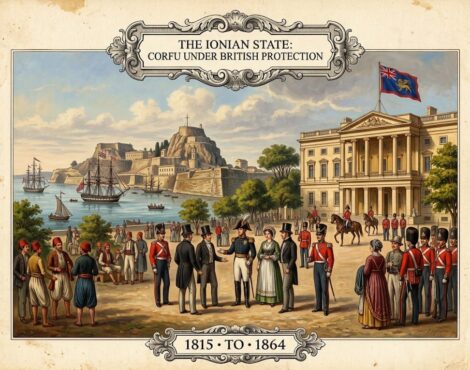
This tradition originated during Venetian rule when Italian opera and concert music influenced local culture. The first Greek opera performed in Corfu. Music education following Italian conservatory models trained generations of musicians. British protection period maintained this orientation while adding ceremonial band traditions.
Philharmonic societies function as community organizations beyond music making. They provide social centers, youth education, and cultural preservation. Membership often spans generations, families maintaining connections across decades. These societies embody civic pride and cultural identity.
Band repertoire blends classical transcriptions, opera overtures and arias, marches, and Greek compositions. Italian opera particularly prominent reflecting historical connections. Verdi, Rossini, and Bellini arrangements feature regularly. Greek composers including Mantzaros receive special attention maintaining national musical heritage.
Performance quality varies but serious musicianship prevails. Many members study music formally while others learn through band participation. The combination creates ensembles capable of demanding repertoire. Professional conductors often lead while maintaining volunteer musician base.
Rehearsals occur regularly, typically evenings in band halls or cultural centers. These sessions, occasionally open to observers, reveal dedication and process behind public performances. The social atmosphere combines serious music making with friendship and community building.
Summer Sunday concerts at town bandstands present free performances. These casual events attract local families and tourists. The relaxed atmosphere contrasts with formal concert halls. Children play nearby while adults listen, chat, and enjoy evening coolness.
Religious Processions and Festivals
Easter week in Corfu showcases philharmonic bands extensively. Multiple processions featuring different bands create spectacular musical events. Good Friday particularly impressive as somber marches accompany religious icons through packed streets. The polyphony from simultaneously performing bands creates unique soundscape.
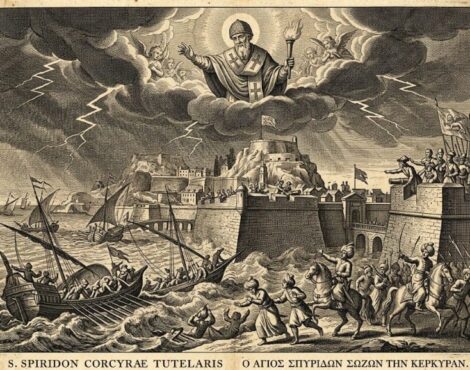
Saint Spyridon feast days bring out bands in full ceremonial glory. The patron saint’s importance means maximum effort and participation. Bands compete informally for best performance, uniforms, and presentation. Community pride motivates excellence.
Band uniforms reflect 19th century military and ceremonial dress traditions. Ornate jackets, distinctive headgear, and formal presentation create visual spectacle matching sonic impact. Each band maintains unique uniform design reinforcing individual identity while sharing general aesthetic.
The role of music in Orthodox celebration differs from purely ceremonial functions. Music expresses devotion, enhances solemnity, and creates sacred atmosphere. While bands perform secular repertoire regularly, religious procession participation represents serious spiritual service.
Competition between bands, though unofficial, drives quality. Achieving superior sound, precision, and presentation matters for organizational pride. However, cooperation also essential as festivals require multiple bands coordinating. This balance between competition and collaboration characterizes relationships.
Younger generation involvement ensures continuation. Many bands maintain youth sections introducing children to instruments and ensemble playing. This pipeline development secures future while maintaining inter-generational knowledge transfer.
The economic model relies primarily on volunteerism supplemented by civic support. Municipality funding, private donations, and fundraising events provide resources. Members contribute time and often personal expense demonstrating commitment beyond material reward.
Kantades: The Ionian Serenade
Kantades represent Corfu’s intimate musical expression. These romantic songs, performed by small ensembles typically including guitar, mandolin, and voices, echo through quiet streets and taverna corners. The tradition reflects Italian canzone influence adapted to Greek language and sentiment.
Lyrical themes center on love, longing, beauty, and romantic melancholy. The emotional intensity and poetic expression characterize Greek island music generally but kantades carry particular Venetian romantic sensibility. Greek language sets to Italian inspired melodies creating hybrid form.
Performance style emphasizes intimacy over volume. Unlike philharmonic grandeur, kantades succeed through subtle dynamics, expressive phrasing, and emotional communication. The small ensemble allows flexibility and spontaneity impossible in large groups.
Guitar and mandolin provide harmonic support and melodic counterpoint. Players often exhibit remarkable virtuosity though technique serves expressivity rather than display. The stringed instruments’ tone colors suit romantic repertoire perfectly.
Vocal quality prizes sincerity and emotional authenticity over operatic technique. While trained voices enhance performance, heartfelt delivery matters most. Amateur and professional musicians mix democratically when passion and musicality present.
Kantades performance contexts range from planned concerts to spontaneous gatherings. Organized recitals in cultural venues present formal versions while impromptu taverna sessions maintain living tradition. Both contexts valuable for different reasons.
Learning kantades traditionally occurred through oral transmission and participation rather than formal instruction. Aspiring musicians absorbed repertoire and style through repeated listening and gradual participation. This apprenticeship model continues though recordings and notation now supplement direct transmission.
Poetic texts merit attention equal to music. Lyricists, sometimes anonymous and sometimes celebrated, crafted verses balancing imagery, emotion, and verbal music. Understanding Greek lyrics reveals full artistic achievement though melodies communicate emotionally across language barriers.
Traditional Folk Music
Beyond philharmonic and kantades traditions, Corfu maintains folk music connections to broader Greek musical culture. Island dance music, work songs, and ballads share characteristics with mainland traditions while incorporating Ionian particularity.
Dance music for traditional celebrations features specific rhythms and forms. While not as distinctive as Cretan or mainland styles, Corfiot dance music maintains regional character. Clarinet, violin, and percussion combinations provide typical instrumentation.
Work songs once accompanied agricultural and maritime labor. Olive harvesting, sailing, and other collective activities generated rhythmic songs coordinating effort while relieving tedium. These utilitarian origins created music with particular functional and aesthetic qualities.
Ballads narrative songs recounting historical events, legendary tales, and personal stories. Some date to Ottoman conflicts and Venetian period events. These sung histories preserved community memory before literacy became universal. Collecting and documenting these songs continues preserving oral traditions.
Women’s ritual songs associated with weddings, births, and funerals maintained female musical traditions. These often monophonic songs with ancient melodies served ceremonial functions. Recording and studying these forms reveals gendered musical spaces within traditional culture.
Children’s songs for games and education transmitted cultural knowledge while entertaining. Rhymes, counting songs, and play songs taught language, numbers, and social norms. These seemingly simple pieces carry educational and cultural significance.
Musical instruments used in folk contexts include guitar, mandolin, violin, clarinet, laouto (Greek lute), and various percussion. Each instrument carries associations with particular styles and contexts. Mastering multiple instruments allows musicians participating across different genres.
Music Education and Preservation
Music schools in Corfu teach both Western classical and Greek traditional music. These institutions, ranging from conservatory-level to community programs, train young musicians. Curriculum balances technique development with cultural transmission.
Private instruction supplements institutional education. Individual teachers specialize in specific instruments or styles. This personalized approach allows tailoring to student interests and abilities. Many accomplished musicians trace learning to inspirational private teachers.
Philharmonic youth sections provide ensemble training difficult to obtain otherwise. Young players learn repertoire while developing listening, discipline, and collective music-making skills. The experience often determines whether music remains lifelong involvement.
Music theory and composition study, though less emphasized than performance, produces original Corfiot compositions. Contemporary composers working in various styles contribute new works. Some bridge traditional and modern approaches creating fusion forms.
Recording projects document traditional musicians and repertoire. These efforts preserve performances and provide study materials. As elder tradition bearers age, systematic recording becomes increasingly urgent.
Academic research examines Corfu’s musical history and traditions. Ethnomusicologists study folk music, historians trace philharmonic development, and cultural scholars analyze music’s social roles. This scholarship provides understanding beyond performance.
Digital archiving makes historical recordings and documents accessible. Scanning old sheet music, digitizing recordings, and creating databases preserve materials while enabling research and revival efforts.
Public awareness campaigns emphasize musical heritage value. Concerts, exhibitions, and media coverage raise consciousness about traditions requiring support. Youth engagement particularly emphasized ensuring future generations value and continue musical culture.
Contemporary Music Scene
Modern popular music coexists with traditional forms. Tavernas feature contemporary Greek music including laïka and entechno styles. Summer clubs present various genres from rock to electronic dance music. This diversity reflects globalized youth culture alongside tradition.
Music festivals during tourist season showcase multiple styles. Some emphasize traditional music while others present contemporary Greek and international performers. These events boost summer cultural offerings while providing performance venues.
Local bands combining traditional and modern elements create fusion music. Young musicians respect heritage while incorporating contemporary influences. These hybrids attract audiences crossing generational divides.
Music technology including recording equipment and digital distribution enables Corfiot musicians reaching beyond island. Some artists achieve national or international recognition. Technology democratizes music production while challenging traditional distribution models.
Tourism impact on musical life proves mixed. Summer season provides performing opportunities and audiences. However, commercial pressures can push toward lowest common denominator tourist entertainment. Balancing authentic tradition with tourism market demands challenges cultural integrity.
Music education advocacy emphasizes benefits beyond cultural preservation. Cognitive development, discipline, creativity, and social skills developed through music study justify investment. These arguments support funding and program expansion.
Amateur musicianship remains strong despite competing entertainment options. Community bands, choirs, and informal ensembles thrive. This participatory culture, where music-making involves broad population rather than just specialists, maintains democratic tradition.
Musical Spaces and Venues
Bandstands in town squares serve as democratic performance spaces. These modest structures host regular concerts free to all. Their outdoor setting and accessible nature embody public music’s community role.
Cultural centers and music halls provide indoor venues. These spaces host concerts, rehearsals, and music education. Acoustics variable but social functions matter as much as sonic quality.
Churches function as performance venues particularly for religious music. Sacred music concerts in historic churches combine architectural beauty with acoustic properties enhancing choral and instrumental music.
Tavernas maintaining live music traditions offer intimate performance contexts. These commercial venues preserve kantades and folk music through regular performances. While tourism-influenced, authentic examples maintain traditional quality.
Open air theaters built during various periods host summer festivals. Ancient theater at Mon Repos occasionally used for concerts. Modern amphitheaters in resort areas provide large-capacity venues.
Private homes historically served as important musical spaces. Salon performances, family music-making, and informal gatherings maintained amateur music culture. While less common now, this domestic music tradition continues in some households.
Streets themselves function as performance space. Carnival celebrations, religious processions, and spontaneous performances transform public thoroughfares into stages. This democratic use of civic space reflects music’s communal rather than elite nature.
Music’s Social Functions
Music builds community identity and cohesion. Shared musical traditions create belonging and distinguish Corfiots from other Greeks. This cultural marker reinforces island identity amid globalization pressures.
Ceremonial functions require musical participation. Weddings, funerals, baptisms, and festivals incorporate appropriate music. These lifecycle and calendar observances depend on musical traditions for proper execution.
Entertainment and recreation motivate much musical activity. People play and listen for enjoyment. This hedonic function, while obvious, proves fundamental. Music makes life more pleasurable individually and collectively.
Political expression occasionally manifests through music. Protest songs, patriotic compositions, and satirical pieces comment on contemporary issues. While less prominent than entertainment functions, music’s political potential remains available.
Economic activity around music includes instrument making and sales, music education fees, performance compensation, and tourism revenue from musical attractions. This economic dimension, though modest compared to other sectors, supports livelihoods while valuing cultural production.
Therapeutic and emotional regulation roles music serves individually and socially. Music helps process grief, express joy, and manage emotions. These psychological functions operate regardless of musical style or quality.
Experiencing Corfu’s Music
Attending philharmonic concert provides accessible introduction. Free performances welcome casual attendance. Arriving early secures seating. The experience combines music with people-watching and social atmosphere.
Seeking out kantades requires more effort. Asking locals about performances, checking cultural center schedules, or visiting known traditional tavernas increases discovery chances. Spontaneous performances sometimes occur creating magical unexpected experiences.
Religious festivals offer maximum musical immersion. Easter and Saint Spyridon celebrations feature extensive musical participation. Understanding religious context enhances appreciation though aesthetic experience transcends religious belief.
Music museum or exhibition visiting provides historical context. Small displays occasionally mounted document musical history. These complement live performance experiences.
Conversing with musicians when appropriate reveals passion and knowledge. Band members often happy discussing their involvement. These personal connections transform abstract tradition into human stories.
Recording purchases support musicians while providing lasting memories. Local music shops stock traditional and contemporary recordings. Buying directly from performers when possible ensures greater artist compensation.
Learning basic Greek musical terminology enriches understanding. Knowing instrument names, musical forms, and basic concepts aids conversation and comprehension.
Music flows through Corfu’s cultural bloodstream carrying history, emotion, and community identity. From philharmonic grandeur to kantades intimacy, from religious solemnity to festive celebration, sounds define the island as much as sights. Visitors attentive to musical dimensions discover deeper Corfu beyond surface beauty. The dedication sustaining musical traditions despite modern pressures testifies to their profound meaning. These sounds, inherited from past generations and actively maintained by present ones, constitute living heritage deserving appreciation, respect, and support ensuring their continuation into uncertain but hopefully musical future.