
Corfu’s Shepherd Dogs: Working Animals and Mountain Guardians
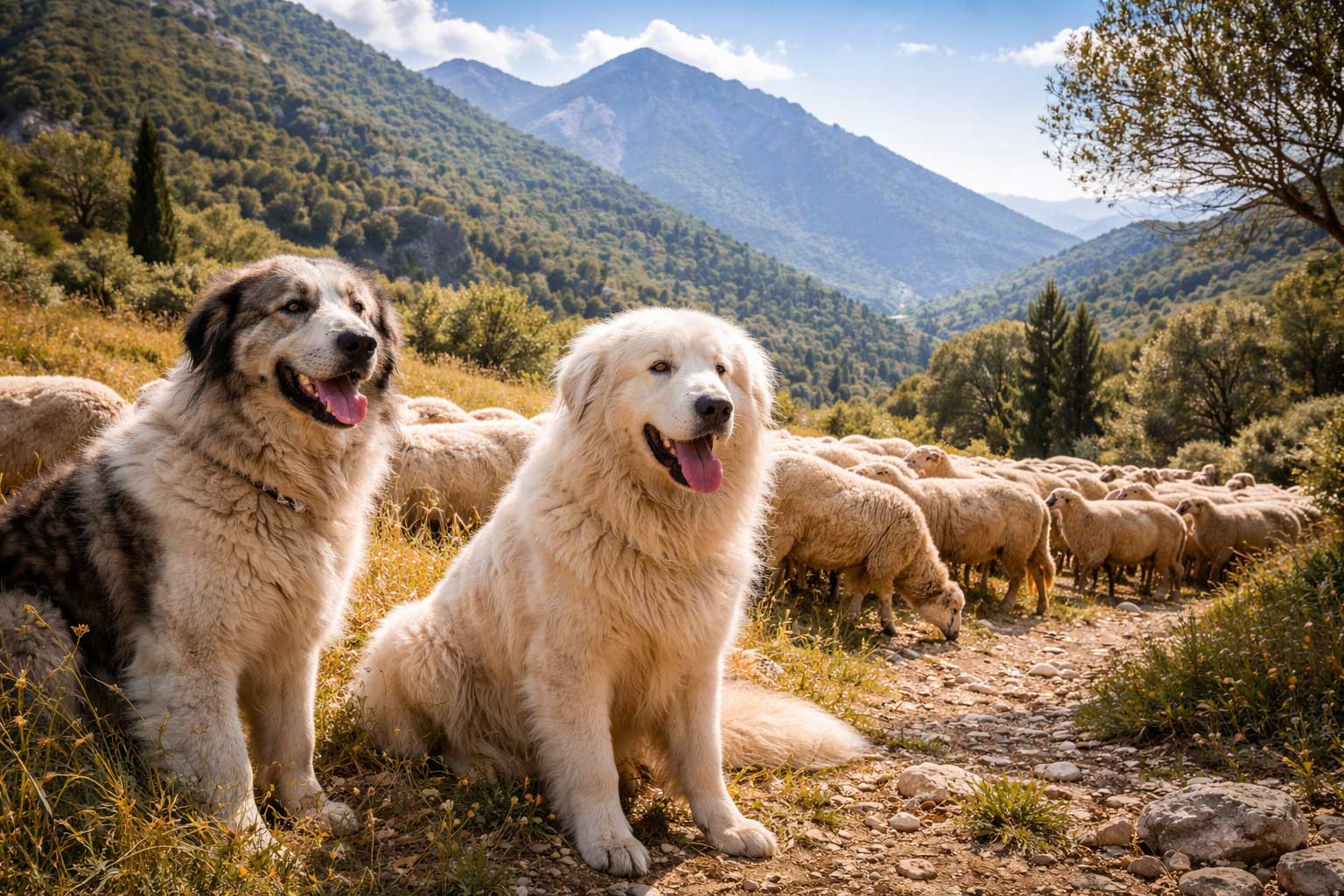
Across Corfu’s mountainous interior, large powerful dogs guard flocks of sheep and goats, their presence continuing traditions spanning millennia. These working animals, often misunderstood by tourists encountering them on hiking trails, represent vital partners in pastoral agriculture maintaining relationships between humans, animals, and landscape that modern life increasingly renders obsolete. Understanding shepherd dogs’ role, their characteristics, and the pastoral culture they support reveals dimension of Corfu life invisible from coastal resorts yet fundamental to island’s agricultural heritage and mountain ecology. These dogs, though perhaps intimidating, deserve recognition as living links to traditional ways of life worth preserving and respecting.
The Role of Livestock Guardian Dogs
Shepherd dogs in Corfu serve primarily as livestock guardians rather than herding dogs, a crucial distinction often misunderstood by those unfamiliar with pastoral practices. Their function centers on protection from predators, both natural and human, rather than actively moving stock.
Guardian dogs live with flocks continuously, bonding with sheep and goats from puppy-hood. This early socialization creates dogs identifying more with livestock than humans, considering flock as their pack requiring protection. This psychological bonding represents essential characteristic distinguishing guardians from herding breeds.
Predator deterrence through intimidation and physical defense protects valuable livestock. While large predators like wolves no longer inhabit Corfu, feral dogs, foxes threatening lambs, and potential theft create real dangers. Guardian dogs’ size, bark, and willingness to fight deters most threats effectively.
Territorial behavior creates protective zone around flock. Dogs patrol perimeters, mark territory, and challenge anything approaching perceived boundaries. This territoriality, though sometimes problematic for hikers, serves essential function maintaining flock security across large grazing areas.
Night work represents particularly important duty. Predators hunt primarily nighttime when visibility limited and shepherds often absent. Guardian dogs remain alert through darkness, their superior senses detecting threats humans would miss, providing 24-hour protection impossible otherwise.
Flock cohesion maintenance keeps animals together preventing straying or mixing with other flocks. Dogs learn individual animals, notice absences, and retrieve wanderers. This management assistance reduces shepherd workload significantly.
Seasonal movement between lowland winter pastures and mountain summer grazing requires dogs guiding flocks safely across roads, through villages, and over difficult terrain. Their assistance during these transhumance journeys makes migrations feasible with minimal human labor.
Characteristics of Working Shepherd Dogs
Corfu’s shepherd dogs, while not conforming to specific breed standards, share characteristics essential for effective livestock guardianship in Mediterranean mountain environment.
Size and strength enable confronting threats and commanding respect. Most working shepherd dogs stand 60-75cm at shoulder, weighing 35-50kg, size sufficient deterring most predators while remaining agile enough for mountain terrain. Sexual dimorphism means males considerably larger than females.
Coat characteristics adapt to Mediterranean climate with thick double coat providing insulation during cold mountain nights while protecting from sun. Colors typically white or light with darker markings, the light coloring helping shepherds distinguishing dogs from predators in darkness and preventing them being mistaken for threats.
Temperament balances independence with loyalty, aggression with discernment, and protectiveness with tolerance. Effective guardian dogs think independently, make decisions without constant human direction, yet remain fundamentally loyal to shepherds and non-threatening to flock.
Endurance and hardiness enable working across rugged terrain in extreme weather without requiring special care or protection. These dogs evolved surviving harsh conditions, eating irregular meals, and working continuously without pampered treatment modern pets receive.
Intelligence and trainability, while present, differ from companion breed characteristics. Shepherd dogs need not perform complex tricks but must understand livestock behavior, assess threats accurately, and operate independently making appropriate decisions. This practical intelligence, though different from obedience trial performance, proves equally sophisticated.
Barking serves communication and deterrence, these dogs typically quite vocal. Their deep, carrying bark warns predators, alerts shepherds to problems, and communicates between dogs guarding different flock sections. This vocalization, though disturbing quiet mountain nights, serves essential working purpose.
Daily Life with the Flock
Understanding shepherd dogs’ daily existence reveals lives fundamentally different from companion animals, their welfare and purpose defined by work rather than comfort.
Living conditions involve continuous outdoor exposure regardless of weather. Dogs sleep among flock, seek natural shelter during storms, and rarely enter buildings. This constant exposure, though seemingly harsh by pet standards, represents normal existence for animals selected across generations for outdoor hardiness.
Feeding practices vary from regular provisioning by shepherds to opportunistic scavenging and occasional predation. Working dogs receive enough nutrition maintaining health and energy but not pampered feeding schedules. Some subsist partly on afterbirth during lambing season, carrion, and food scraps.
Social structure among multiple dogs guarding single flock creates hierarchies and working relationships. Dominant dogs command respect from subordinates, territories divide among individuals, and cooperation occurs during threat responses. These canine societies, largely self-regulating, require minimal human intervention.
Human interaction remains limited compared to pet dogs. Shepherds maintain functional relationships based on mutual understanding rather than affection. Dogs respect shepherds without requiring constant attention or validation. This working partnership, though perhaps seeming emotionally distant, represents deep functional bond.
Health care typically addresses only serious injuries or illness. Working dogs don’t receive preventive veterinary care modern pets enjoy. Injuries heal naturally or result in diminished capacity or death. This harsh reality, reflecting economic constraints and traditional attitudes, demonstrates fundamental difference between working and companion animal status.
Reproduction occurs naturally with minimal human selection. Bitches mate with successful guardian males, puppies raised within flock environment from birth, and natural selection eliminates animals lacking necessary characteristics. This breeding system, though uncontrolled by modern standards, has produced functional guardian dogs for millennia.
The Shepherd’s Perspective
Understanding shepherd dogs requires appreciating shepherds’ views, their relationship with dogs differing fundamentally from urban pet owners’ perspectives.
Economic value of dogs lies primarily in livestock protection rather than companionship. A good guardian dog preventing predation or theft saves substantial money, justifying feeding and minimal care expenses. This utilitarian calculation, though perhaps jarring to those viewing dogs primarily as companions, reflects agricultural economic realities.
Trust in dogs’ judgment and abilities develops through observing effective work across seasons. Experienced shepherds learn reading dog behavior, understanding threat levels from different alarm responses, and knowing when dog warnings require investigation versus dismissal.
Limited emotional display doesn’t indicate lack of appreciation or bond. Shepherds may deeply value dogs without expressing affection through petting, praise, or physical contact typical in companion relationships. The respect, though less demonstrative, runs profound.
Breeding selection focuses entirely on working ability rather than appearance or personality traits valued in companion dogs. A dog protecting flock effectively despite lacking friendly temperament or attractive appearance outranks beautiful but ineffective animal. Function dominates aesthetics absolutely.
Culling ineffective dogs maintains working population quality. Dogs failing protective duties, showing excessive aggression toward livestock, or lacking necessary characteristics may be removed from breeding population or eliminated entirely. This harsh selection, though disturbing by modern ethical standards, reflects centuries of pastoral practice.
Replacement rather than veterinary intervention for serious injuries reflects economic calculation. Treating expensive injuries or illnesses in working dogs often costs more than replacement animal, particularly when success uncertain. This cold calculus, though difficult for animal lovers accepting, represents subsistence agriculture’s economic reality.
Encounters on Hiking Trails
Hikers encountering shepherd dogs on Corfu trails often experience anxiety or fear, these encounters requiring understanding and appropriate response ensuring safety and respecting working animals.
Warning barks signal territorial boundaries and flock protection. Dogs barking aggressively from distance typically warning rather than attacking. Heeding these warnings by changing route or stopping advancement usually prevents escalation.
Defensive posture including stiff stance, raised hackles, and intense staring indicates serious warning. Dogs displaying these signals consider hikers genuine threats. Backing away slowly without running, avoiding direct eye contact, and speaking calmly often defuses situation.
Physical confrontation, though rare, occurs when hikers ignore warnings, approach flock directly, or dogs perceive children or other dogs as threats. Understanding triggers enables avoiding situations likely provoking defensive aggression.
Appropriate response involves stopping advancement toward flock, giving dogs wide berth, and altering route if possible. Never attempt petting, feeding, or befriending working dogs. These aren’t pets seeking interaction but working animals requiring space for effective duty performance.
Children and pets require particular caution. Small children’s unpredictable movements and high-pitched voices may trigger predator-prey responses. Pet dogs appearing near flock create definite threats from guardian dogs’ perspective, requiring keeping pets closely controlled or choosing alternative routes.
Shepherds present offer best guidance. If shepherd visible, requesting direction about safe passage often yields helpful advice. Shepherds can call off dogs or indicate routes avoiding close flock approach.
Cultural and Historical Context
Shepherd dogs represent continuity with ancient pastoral practices, their presence connecting contemporary Corfu to millennia of human-animal-landscape relationships.
Ancient origins of livestock guardianship appear in archaeological and literary evidence across Mediterranean. Shepherd dogs likely accompanied earliest livestock domestication, the human-canine partnership enabling extensive pastoral economies otherwise impossible.
Breed development, though lacking formal standards, occurred through functional selection across countless generations. The dogs working Corfu today represent evolutionary refinement toward optimal livestock protection in Mediterranean mountain environment.
Cultural significance extends beyond practical utility into folklore, language, and identity. Shepherd dogs appear in traditional stories, metaphors reference their characteristics, and pastoral identity includes these animals as defining elements.
Economic importance historically substantial when pastoral agriculture dominated mountain economies. The dogs’ protection enabled maintaining larger flocks with less human labor, increasing pastoral productivity and household viability.
Modern decline parallels broader pastoral abandonment as economic opportunities draw people from difficult agricultural work. Each retiring shepherd without replacement means fewer working dogs maintaining traditional practices.
Conservation concerns emerge as traditional populations dwindle. These functional working lines, distinct from show-bred standards, possess genetic adaptation and traditional knowledge worth preserving despite lacking breed recognition or commercial value.
Ethical Considerations
Contemporary attitudes toward animal welfare create tensions when confronting traditional working dog realities contradicting modern companion animal standards.
Welfare assessment requires evaluating from functional working animal perspective rather than imposing companion dog standards. Dogs living hard outdoor lives working for living occupy different welfare category than house pets, requiring different evaluation criteria.
Respect for tradition acknowledges that practices successful across millennia deserve consideration even when conflicting with contemporary sensibilities. Dismissing traditional animal husbandry as cruel without understanding context and constraints shows cultural insensitivity and ignorance.
Balance between preservation and progress recognizes some traditional practices may warrant modification while others deserve continuation. Distinguishing essential cultural practices from genuinely harmful elements requires nuanced judgment avoiding both uncritical traditionalism and zealous modernization.
Economic reality acknowledges that subsistence agricultural communities cannot afford companion animal standards of veterinary care, feeding, and housing. Expecting otherwise imposes unrealistic standards disconnected from economic survival realities.
Alternative approaches to livestock protection including fencing, guard structures, or mechanized surveillance simply infeasible in Corfu’s mountain terrain and existing economic framework. Shepherd dogs remain most practical and sustainable protection option available.
Corfu’s shepherd dogs, though perhaps appearing threatening to hikers or disturbing to those uncomfortable with working animal realities, deserve recognition and respect as living representatives of agricultural traditions connecting modern Greeks to ancestral ways of life. These dogs, neither pets nor wild animals but something distinct, occupy space between human and natural worlds serving vital functions while embodying cultural heritage worth preserving and protecting. Encountering them on mountain trails provides opportunity not for fear or sentimentality but for understanding relationships between humans, domestic animals, and landscape that sustained Mediterranean peoples across millennia, relationships now endangered by modernity’s march yet worthy of appreciation and preservation as long as shepherds remain willing maintaining traditions and dogs continue born with instincts protecting flocks whose survival depends on their vigilance, courage, and unwavering dedication to duty over comfort, to purpose over companionship, to work over rest, embodying values perhaps lost in comfortable modern existence yet preserved in mountains where ancient rhythms continue as they have for countless generations and hopefully will for more to come.