
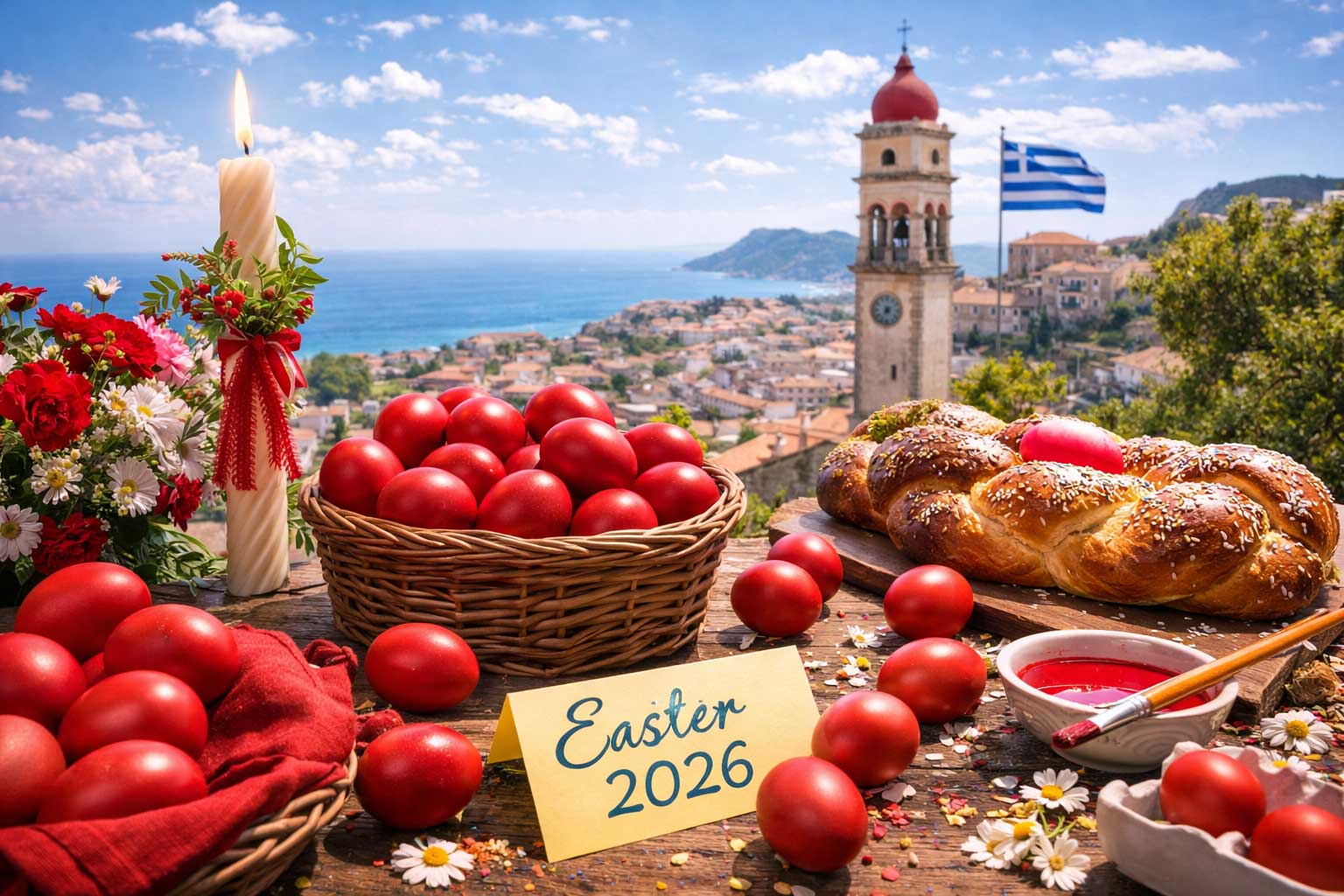
Easter 2026 Preparations: Traditional Greek Holy Week Customs Begin
March marks Lenten season’s progression as Greek Orthodox Christians worldwide prepare spiritually and practically for Easter, Christianity’s most important celebration. In Corfu, where Orthodox faith remains central to cultural identity and community life, this preparatory period transforms daily rhythms through fasting practices, increased religious observance, and growing anticipation for Holy Week’s dramatic ceremonies. Understanding how Greeks prepare for Easter reveals faith’s living role in contemporary life while explaining traditions that will culminate in April’s spectacular celebrations. For visitors, witnessing these preparations provides authentic cultural immersion into religious practices shaping Greek identity across centuries.
Clean Monday and Lent’s Beginning
Clean Monday, or Kathara Deftera, marks Great Lent’s official start, occurring exactly seven weeks before Orthodox Easter. In 2026, this falls on March 2nd, launching the 40-day fasting and spiritual preparation period.
The day itself, paradoxically combining solemn religious significance with festive outdoor celebrations, demonstrates Greek Orthodoxy’s characteristic fusion of sacred and communal. Families traditionally spend Clean Monday outdoors, flying kites, picnicking on fasting foods, and enjoying spring weather signaling winter’s end.
Traditional Clean Monday foods strictly observe fasting rules prohibiting meat, dairy, and eggs. Lagana, special unleavened bread baked only this day, forms meal centerpiece. Taramosalata (fish roe dip), olives, pickled vegetables, beans, and seafood including shrimp and squid all appear on traditional menus.
Kite flying, particularly popular with children, creates colorful skies throughout Greece. The tradition’s origins, variously explained through folklore and practical considerations about spring winds, matter less than the activity’s role creating shared experience and marking calendar transition.
The outdoor emphasis, weather permitting, reflects leaving winter’s indoor confinement and embracing spring’s renewal. This physical movement from enclosed spaces to open landscapes metaphorically represents spiritual journey from winter’s darkness toward Easter’s light.
Tavernas and restaurants throughout Corfu offer special Clean Monday menus. These meals, combining traditional fasting requirements with festive atmosphere, allow residents and visitors alike participating in cultural-religious observance without personal cooking obligations.
The day’s dual nature, simultaneously launching austere fasting period while celebrated festively, demonstrates Orthodox Christianity’s realistic understanding that spiritual discipline needn’t exclude joy and community celebration.
Fasting Practices and Traditions
Great Lent’s fasting rules, traditionally quite strict, vary in contemporary observance from rigorous compliance to symbolic acknowledgment. Understanding both traditional standards and modern practice provides realistic picture of how Greeks approach fasting.
Strict fasting eliminates all animal products including meat, dairy, fish, eggs, and even oil and wine on certain days. This vegan diet, though challenging in protein and fat acquisition, follows ancient monastic traditions. Few lay people maintain such rigor throughout entire Lent, but many observe strictly during Holy Week.
Seafood distinction between fish (prohibited) and shellfish/mollusks (permitted) creates interesting culinary category. Shrimp, octopus, squid, and mussels all allowed, enabling varied protein sources within fasting constraints. This distinction, though theologically debatable, provides practical dietary flexibility.
Wednesday and Friday fasting throughout year intensifies during Lent when even more Orthodox Christians observe these traditional fast days. This weekly rhythm, punctuating regular weeks with fasting discipline, maintains awareness of spiritual calendar beyond just Lent.
Modern adaptations acknowledge contemporary life’s realities. Many Greeks observe partial fasting, eliminating meat while permitting dairy. Some fast certain days weekly rather than continuously. Others focus on specific weeks, particularly first and last of Lent. The Church, understanding human weakness, allows flexibility while encouraging effort.
Health exceptions permit suspending or modifying fasting for pregnant women, children, elderly, and those with medical conditions. Orthodox tradition balances spiritual discipline against practical health and wellbeing, avoiding rigid rules endangering physical health.
Restaurant culture adapts extensively during Lent with menus featuring “nistisima” (fasting) dishes. This commercial accommodation makes fasting easier for those without time or skill preparing traditional fasting foods while enabling non-fasters trying traditional preparations.
Spiritual purpose beyond dietary restriction emphasizes increased prayer, almsgiving, and self-examination. Fasting without spiritual dimension becomes mere dieting; true Lenten observance combines physical discipline with spiritual deepening preparing for Easter’s theological significance.
Church Services and Spiritual Preparation
Lenten church services increase in frequency and length, creating intensified rhythm of worship contrasting with ordinary time. These services, rich in special hymns, readings, and rituals, deepen spiritual preparation while building anticipation for Easter.
Presanctified Liturgy, celebrated Wednesday and Friday evenings, replaces standard Divine Liturgy during weekdays. This ancient service, using Eucharistic elements consecrated previous Sunday, creates somber, contemplative atmosphere appropriate to penitential season.
Salutations to the Theotokos, Friday evening services honoring Virgin Mary, feature beautiful hymns and profound theology. The Akathist Hymn, sung over five Friday evenings, represents Orthodox hymnography’s masterpiece, its poetry and theology moving believers across centuries.
Sunday services maintain Divine Liturgy but incorporate Lenten hymns and readings creating distinct character. The Triodion, special liturgical book used only during Lent, provides texts emphasizing repentance, humility, and preparation for salvation’s great mystery.
Icons and church decoration change reflecting Lenten season. The cross gains visual prominence, somber colors replace festive ones, and certain icons receive special veneration. These visual changes signal spiritual season’s distinctiveness.
Confession, always available, sees increased participation during Lent. Orthodox tradition expects annual confession minimum, often occurring during Lenten preparation for Easter communion. This sacrament, emphasizing repentance and absolution, fits naturally within Lenten emphasis on spiritual renewal.
Home prayer life intensifies for observant families. Daily prayer rules expand, Scripture reading increases, and spiritual reading from patristic texts or lives of saints supplements regular devotions. This private prayer complements communal worship creating comprehensive spiritual practice.
Practical Easter Preparations
Alongside spiritual preparation, practical activities begin preparing for Easter’s feast following Lenten fast. These activities, ranging from deep cleaning to food planning, intertwine spiritual and domestic spheres characteristically Greek.
Spring cleaning, traditional throughout Mediterranean cultures, gains religious significance as preparation for Easter. Homes thoroughly cleaned, often including tasks deferred through winter, create fresh environment mirroring spiritual renewal. This physical cleaning metaphorically represents purifying heart and life.
Food planning begins weeks before Easter as families decide menus, identify ingredient sources, and begin preparations for dishes requiring advance work. Traditional Easter feast, elaborate and abundant, demands considerable organization particularly when hosting extended family.
Shopping for non-perishable ingredients spreads purchases across weeks rather than overwhelming final days before Easter. Dried goods, preserves, and specialty items purchased early prevent last-minute scrambles when everyone simultaneously seeking same products.
Garden preparation for those growing vegetables or herbs ensures fresh ingredients available for Easter meals. March planting of fast-growing greens and herbs times harvest perfectly for Holy Week and Easter Sunday use.
Coordination among family members, particularly women traditionally responsible for Easter meal preparation, ensures tasks distribute manageably. Extended families often gather collaboratively, multiple households contributing different dishes to comprehensive feast.
Anticipation builds throughout Lent as fasting creates genuine hunger for feast’s abundance. This deliberate contrast between Lenten restriction and Easter plenty enhances celebration’s joy and meaning, the feast tasting sweeter after abstinence.
Holy Week Anticipation
As Lent progresses, attention increasingly focuses on Holy Week, the spiritual and ceremonial climax of entire liturgical year. March preparations build toward this week’s intensive observances.
Palm Sunday planning begins early as churches prepare for blessing of palms and processions. Families anticipate attending services, perhaps purchasing new clothes for children, and preparing for week’s intensifying schedule.
Holy Thursday, Friday, and Saturday each carry specific rituals, foods, and observances requiring preparation. Understanding these days’ significance and practical requirements enables full participation rather than scrambling to understand unfamiliar customs.
Easter Saturday midnight Resurrection service represents week’s spiritual culmination. Families plan logistics ensuring attendance despite late hour, arranging childcare if needed, and preparing for traditional post-service meal.
Easter Sunday feast preparation intensifies final Lenten days. Lamb orders placed with butchers, special breads ordered from bakeries, and final ingredient acquisitions ensure nothing forgotten when time arrives for elaborate meal preparation.
Diaspora Greeks planning return to Corfu for Easter book travel well ahead. Hotels fill, flights crowd, and transportation becomes scarce as people travel to family villages or preferred celebration locations. March represents latest practical booking period for April Easter.
Seasonal and Agricultural Context
Easter preparations coincide with spring’s natural renewal, the seasonal and spiritual cycles interweaving meaningfully. This synchronization between agricultural calendar and liturgical year creates layered significance.
Spring planting proceeds during Lent, farmers preparing fields and sowing crops. This agricultural work, life-giving and future-oriented, parallels spiritual work of Lenten preparation and anticipation of new life celebrated at Easter.
Sheep and lamb populations peak as spring births occur across flocks. Lambs destined for Easter tables represent ancient sacrificial traditions while providing seasonal protein after Lenten abstinence from meat.
Wildflowers’ peak bloom during Lent mirrors spiritual flowering Orthodox Christians cultivate through prayer, fasting, and increased devotion. The natural beauty surrounding preparation activities creates aesthetic environment enhancing spiritual receptivity.
Weather improvement from winter to spring enables outdoor religious processions and activities planned for Holy Week. The pleasant conditions, neither too cold nor too hot, create optimal environment for extended ceremonies and community participation.
Agricultural quiet before summer’s intensive work allows time and energy for religious observance Easter week demands. This traditional agricultural rhythm, though less relevant in modern urban contexts, historically enabled full community participation in prolonged Holy Week ceremonies.
Lent progressing through March creates growing anticipation as Easter approaches. The psychological journey from Clean Monday’s fasting foods through weeks of discipline toward Easter’s feast creates narrative arc and emotional progression making celebration more meaningful. For Greeks, Easter represents not merely calendar date but spiritual journey’s destination, the culmination of preparation, sacrifice, and anticipation transforming familiar foods, familiar liturgies, and familiar community gatherings into something transcendent and transformative, experienced not just once but annually, connecting present faithful to centuries of believers who walked same Lenten path toward same Easter joy, maintaining traditions ensuring future generations will continue this journey connecting human spirit to divine mystery through rhythm and ritual that make Greeks Greek as much as language or geography ever could.