Table of Contents
Venetian Architecture in Corfu: A Journey Through Time
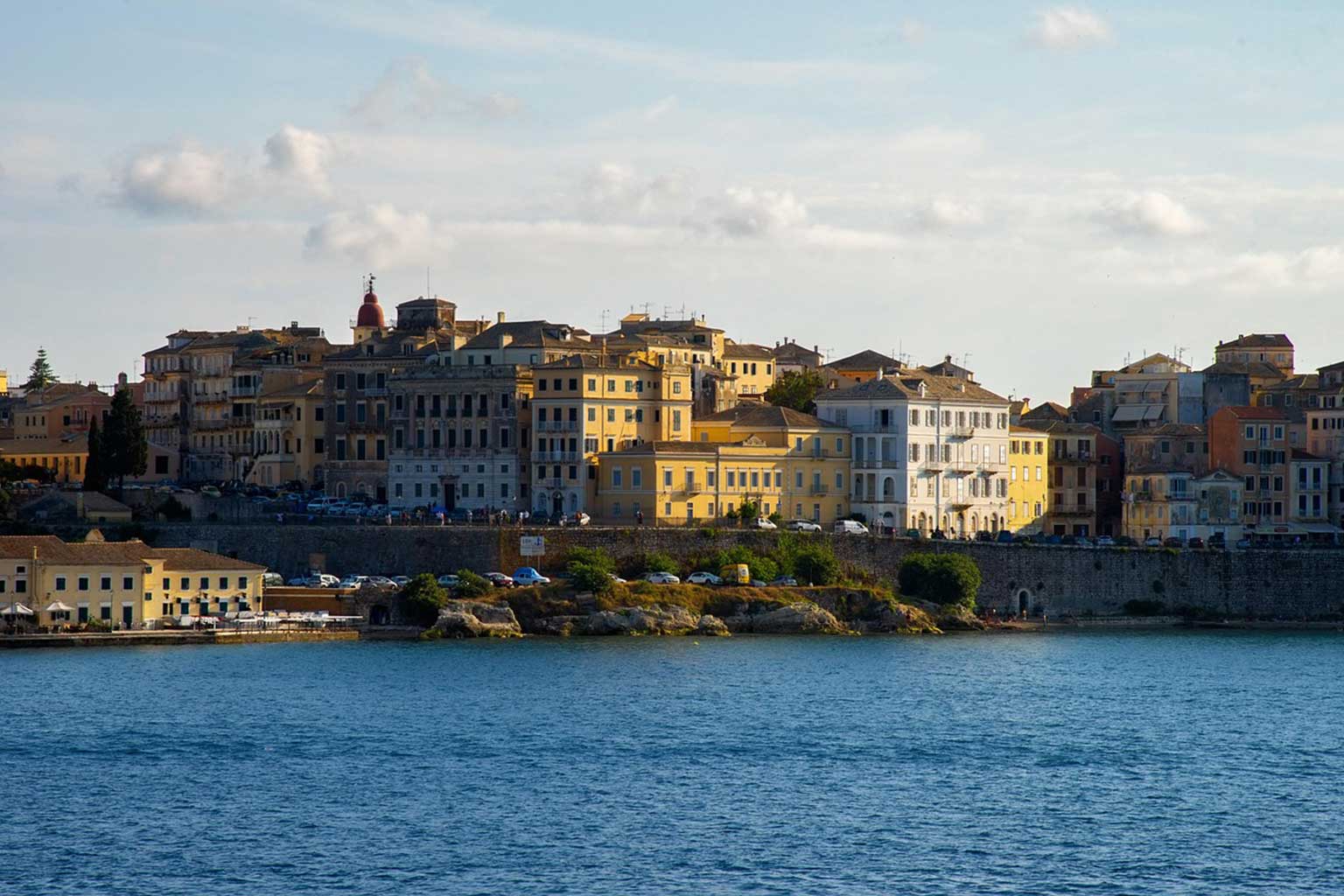
Walking Corfu Old Town’s narrow streets transports visitors to Venice’s eastern Mediterranean outpost. Tall ochre and pastel buildings with shuttered windows, wrought iron balconies, and arched passageways create urban character unlike anywhere else in Greece. This distinctive architecture reflects four centuries of Venetian rule when La Serenissima Repubblica made Corfu its most important defensive position against Ottoman expansion. The architectural legacy, remarkably preserved despite wars, earthquakes, and modernization, transforms the island into living museum where Renaissance aesthetics merged with Greek Orthodox traditions creating something uniquely Corfiot.
The Fortifications: Military Engineering Excellence
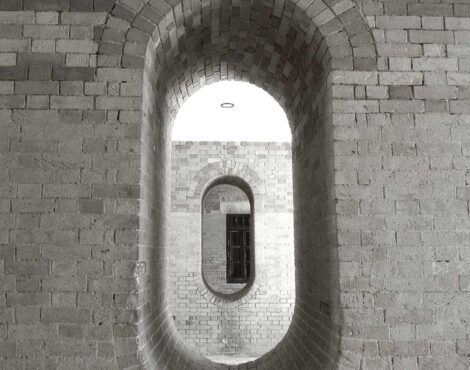
The Old Fortress occupies rocky promontory jutting into sea, separated from town by moat now serving as road. Though fortifications existed before Venetian arrival, their extensive modifications transformed site into formidable defensive complex. Massive walls, angled bastions designed to deflect cannon fire, and underground passages demonstrate Renaissance military architecture’s sophistication.
Strategic positioning controlled harbor approaches and provided observation across wide area. Multiple building phases over centuries added layers reflecting evolving military technology. Walking the ramparts reveals how defensive needs shaped architecture, each tower and wall segment serving specific tactical purposes.
The New Fortress, constructed later on opposite hill, reinforced defenses during intensifying Ottoman pressure. Building it required demolishing medieval neighborhoods, controversial decision deemed necessary for security. The fortress’s impressive scale and intact condition make it among Europe’s finest examples of Venetian military architecture.
Both fortresses feature characteristic Venetian elements: the winged lion of Saint Mark carved prominently, Italian architectural details throughout, and design principles perfected across Venice’s maritime empire. These weren’t merely functional structures but expressions of Venetian power and engineering prowess.
Maintenance costs for these massive complexes challenged Venice financially, yet their presence justified investment by securing crucial naval base and agricultural production. Modern visitors appreciate fortresses aesthetically and historically while original purposes were purely military and strategic.
Urban Planning and the Campiello
Old Town’s layout reflects Venetian urban planning principles adapted to local topography. Narrow streets between tall buildings create compact, walkable city. This density, unusual in Greek contexts, mirrors Venice and other Italian cities where limited space demanded vertical rather than horizontal expansion.
The Campiello, Old Town’s oldest quarter, best preserves medieval and Venetian character. Streets barely accommodate two people passing simultaneously creating intimate scale. Buildings rise three or four stories, their height maximizing living space while creating shaded passages during summer heat. Upper stories often overhang streets on corbels, further narrowing passages while increasing interior space.
Small squares punctuate dense fabric providing breathing space and neighborhood gathering areas. These piazzas, though modest compared to Italian counterparts, served similar functions as community centers. Wells or fountains typically occupied central positions providing essential water access before modern plumbing.
Building regulations during Venetian period controlled construction standards, materials, and fire prevention measures. These rules created architectural consistency despite individual building variations. The resulting harmony contrasts sharply with uncontrolled sprawl characterizing many modern developments.
Street names throughout Old Town retain Italian nomenclature or Greek translations of Venetian originals. This linguistic persistence reflects how deeply Venice shaped urban identity beyond physical architecture into cultural memory and daily life.
Defensive considerations influenced layout. Irregular street patterns, dead ends, and narrow passages impeded potential invaders breaching walls. What appears charming today served military purposes originally, beauty emerging coincidentally from defensive requirements.
The Liston and Spianada
The Liston arcade, Corfu’s most photographed architectural feature, epitomizes Venetian elegance adapted to Greek setting. Though designed during French period, it built upon Venetian foundations. The arcade’s arches shelter cafes where locals and visitors enjoy coffee watching life unfold on adjacent Spianada.
The arcade’s name derives from Venetian “Lista,” the register of nobility entitled to promenade here. This social exclusivity, though long abolished, hints at class distinctions structuring Venetian colonial society. Today’s democratic access allows everyone enjoying space once restricted to elite.
Architectural details reward close observation. Column capitals, arch proportions, and decorative elements display classical restraint characteristic of late Venetian Renaissance. The arcade’s rhythm, repeating arches creating visual music, demonstrates how architecture shapes human experience.
The Spianada, Europe’s largest square, originated as military clear zone preventing siege approach to fortresses. Over time, this defensive necessity transformed into recreational and ceremonial space. The cricket pitch, British legacy, adds cultural layer to Venetian foundations creating palimpsest of historical influences.
Spatial relationships between arcade, square, and fortress create urban ensemble balancing multiple functions and historical periods. Walking from Liston’s shade into Spianada’s sunlit expanse delivers dramatic experience impossible in less carefully planned environments.
Mansions and Residential Architecture
Wealthy Venetian and Greek families built substantial mansions throughout Old Town. These buildings, less famous than fortresses but equally important architecturally, demonstrate domestic architecture during Venetian period. Many survive in varying conditions though finding them requires exploring quieter streets.
Typical mansion facades feature symmetrical window arrangement, ornate balconies with wrought iron railings, and impressive doorways leading to interior courtyards. Venetian influence appears in proportions, decorative vocabulary, and materials contrasting with traditional Greek domestic architecture’s simpler forms.
Interior plans, when preserved, show piano nobile, the principal floor elevated above ground level containing reception rooms. This Italian planning tradition separated public entertaining spaces from private family quarters and service areas. High ceilings, decorative plasterwork, and occasionally frescoes demonstrated owners’ wealth and cultivation.
Courtyards, often featuring wells and plantings, provided private outdoor space within dense urban fabric. These hidden gardens, invisible from streets, create surprising oases. The courtyard tradition, present in both Italian and Greek architecture, particularly suited Mediterranean climate enabling outdoor living away from public gaze.
Many mansions suffered damage or neglect over centuries. Some underwent insensitive restoration or conversion to apartments, hotels, and shops. Others remain deteriorating, their peeling plaster and weathered shutters conveying romantic decay hiding structural concerns requiring urgent conservation.
Successful restorations preserving architectural integrity while adapting to contemporary uses demonstrate that sympathetic intervention can save historic buildings. Quality examples show how respecting original character while meeting modern needs maintains cultural heritage sustainably.
Religious Architecture’s Venetian Influence
Saint Spyridon Church, though Orthodox rather than Catholic, exemplifies Venetian period religious architecture. Its distinctive red dome and campanile combine Italian architectural forms with Greek Orthodox functional requirements. The bell tower particularly shows Venetian influence in proportions and decorative details.
Catholic churches built for Venetian population introduced Italian ecclesiastical architecture. Though many closed or converted after Venetian rule ended, surviving examples including Catholic Cathedral demonstrate Renaissance church design transported to Greek context.
Church interiors blend Italian architectural frameworks with Orthodox or Catholic liturgical requirements and decorative programs. This synthesis, visible in iconostasis placement, altar configurations, and painting styles, illustrates cultural adaptation and exchange during Venetian period.
Religious architecture’s prominent bell towers and domed roofs create Old Town’s distinctive skyline. These vertical elements punctuating domestic buildings’ horizontal mass provide visual rhythm and orientation landmarks aiding navigation through maze-like streets.
Conservation Challenges
Preserving Venetian architecture faces multiple challenges. Age, weathering, seismic activity, and past neglect damaged many buildings. Limited funding, regulatory complexities, and sometimes conflicting priorities between preservation and development create obstacles.
UNESCO World Heritage designation for Corfu Old Town in 2007 brought international recognition and conservation standards. This status acknowledges architectural significance while imposing preservation obligations raising awareness and attracting resources though implementation remains ongoing.
Successful restoration projects stabilize structures and restore architectural character when properly executed. Balancing historical authenticity with modern building codes and functional needs requires skilled professionals using traditional materials and techniques producing best results.
Economic pressures create conservation tensions. Property owners, particularly those with limited resources, struggle affording proper maintenance and restoration. Balancing preservation requirements with ownership rights and financial realities requires sensitive approaches and sometimes public support.
Corfu’s Venetian architecture represents more than beautiful buildings; it embodies cultural fusion where Italian Renaissance aesthetics merged with Greek traditions creating distinctive identity. These structures, surviving centuries of tumultuous history, deserve preservation not merely as monuments but as living heritage shaping contemporary identity while connecting present to remarkable past when Mediterranean’s greatest maritime republic left indelible mark on this strategic island transforming it into showcase of Venetian power, elegance, and enduring architectural achievement.