March Hiking Weather: Perfect Corfu Trails Before Summer Heat Arrives
March occupies sweet spot in Mediterranean hiking calendar when conditions align creating near-perfect outdoor activity weather. Winter’s chill has passed, summer’s heat hasn’t arrived, and spring’s abundance transforms landscapes into botanical paradise. Corfu’s trails, ranging from gentle olive grove walks to challenging mountain ascents, reward March hikers with experiences impossible during other seasons. Understanding why these conditions prove optimal and which routes best showcase March’s particular character enables planning hiking adventures that reveal Corfu’s natural beauty at its absolute finest, creating memories and appreciation for island dimensions beyond beaches and historical sites.
The Weather Advantage
March temperatures in Corfu typically range 15-20°C during daylight hours, occasionally reaching low twenties on particularly warm days. This moderate range creates ideal hiking conditions where physical exertion doesn’t lead to dangerous overheating yet temperatures remain comfortable without excessive layering.
The absence of summer’s oppressive heat fundamentally changes hiking experience. July and August temperatures exceeding 30°C make midday hiking genuinely dangerous, restricting activities to early morning or evening. March’s moderation allows hiking throughout day without heat-related risks, providing flexibility impossible during peak summer.
Humidity levels in March remain moderate compared to summer’s sometimes stifling moisture. This relative dryness, combined with comfortable temperatures, creates conditions where sustained physical activity remains pleasant rather than becoming sweaty ordeal requiring constant rest breaks.
Rainfall probability exists but typically manifests as passing showers rather than sustained downpours. Winter’s heavy rain systems have mostly passed while summer’s drought hasn’t yet established. This transitional precipitation pattern means occasional wet conditions but rarely full-day washouts preventing hiking entirely.
Cloud cover varies creating dynamic light conditions photographically interesting and thermally comfortable. Unlike summer’s relentless sun, March skies alternate between brilliant sunshine and partial cloudiness. This variability prevents monotonous lighting while providing natural shade reducing sun exposure concerns.
Winds remain moderate in most hiking areas. Coastal paths sometimes experience breezes, generally refreshing rather than problematic. Mountain summits can be windier requiring windproof layers, but nothing compared to winter’s occasionally fierce systems or autumn’s unpredictable gusts.
Daylight extends to roughly 12 hours by late March, providing adequate time for substantial hikes without requiring extremely early starts or rushing to complete before darkness. This day length balance allows leisurely paced exploration without time pressure.
Spring Landscape Transformation
March hiking reveals Corfu transformed from winter’s muted palette into spring’s vibrant display. This visual transformation, perhaps more dramatic than any other seasonal transition, creates hiking experiences of exceptional beauty.
Vegetation lushness reaches annual peak as winter rains saturate soils and spring growth accelerates. Hillsides display every shade of green from olive’s silver-gray through grasslands’ brilliant emerald. This verdant landscape, contrasting sharply with summer’s brown drought-stressed vegetation, showcases Mediterranean nature’s full potential.
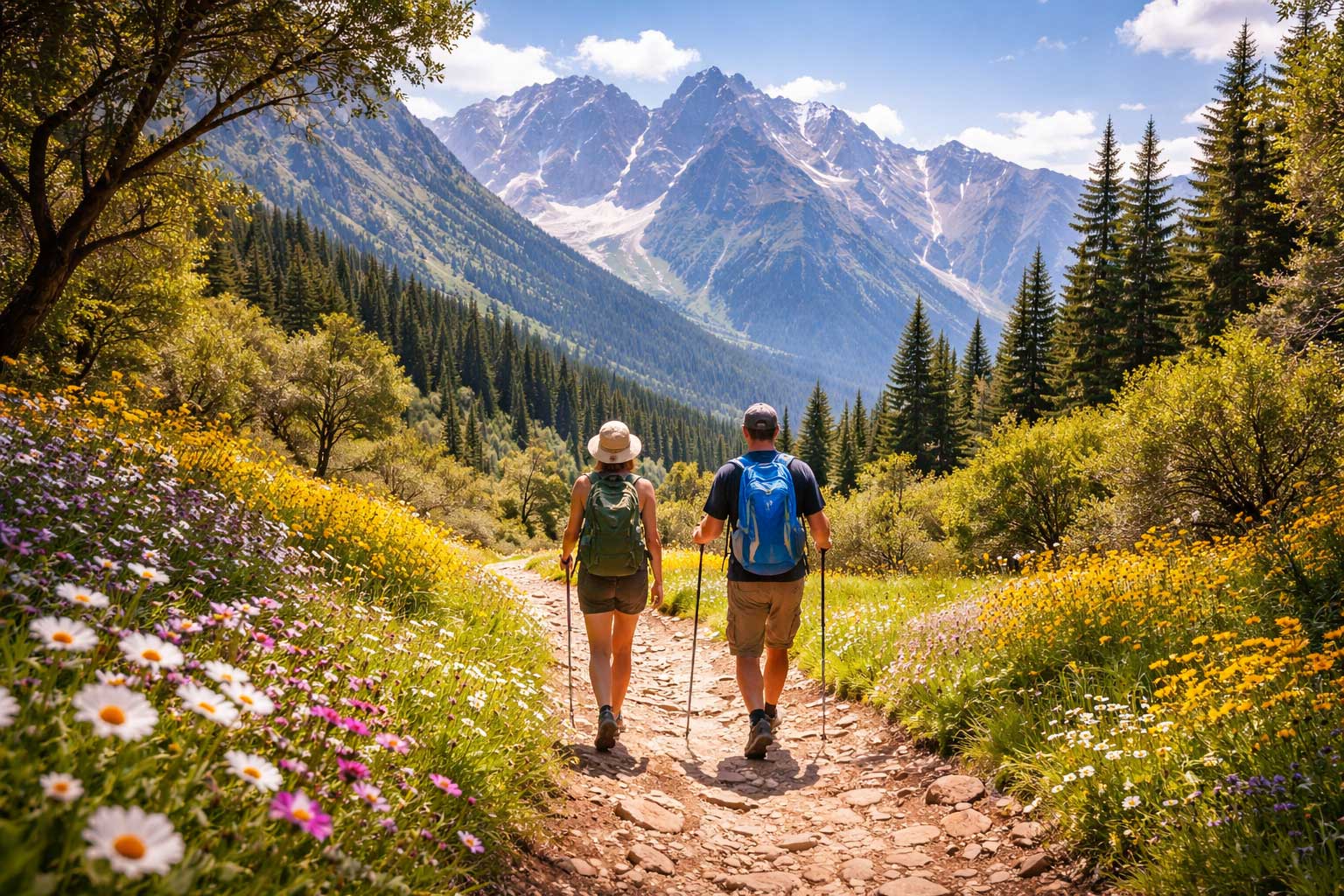
Wildflower abundance carpets meadows, lines paths, and colonizes every sunny patch. The botanical diversity, peaking during March and April, transforms ordinary trails into garden walks. This floral display, free and accessible to anyone willing walking, rivals any cultivated garden through sheer abundance and wild beauty.
Water features including streams, springs, and seasonal waterfalls reach maximum flow. Winter rains fill waterways creating sounds and sights absent during dry summer. Some trails follow water courses, the flowing accompaniment adding sensory dimension to hiking experience.
Bird activity increases dramatically as resident species begin breeding and migrants arrive from African wintering grounds. This avian abundance creates soundtrack of songs and calls while providing visual interest for those carrying binoculars and field guides.
Trees display fresh growth with new leaves emerging and some species flowering before foliage appears fully. This renewal, visible in deciduous species and new growth on evergreens, demonstrates natural cycles and seasonal progressions urban living often obscures.
Agricultural landscapes show planting and early growth stages. Fields green with emerging crops, orchards displaying spring blossoms, and vineyards showing first leaf growth all demonstrate working landscapes’ seasonal rhythms observable through hiking.
Optimal Trail Conditions
March trail conditions balance between winter’s muddy challenges and summer’s dusty hardness, creating generally excellent walking surfaces with some seasonal considerations.
Established paths remain mostly firm despite winter rains. Proper drainage on maintained trails prevents sustained muddy conditions though low-lying areas or poorly drained sections can be wet. This variability requires appropriate footwear but doesn’t render trails impassable.
Rocky surfaces dry quickly after rain, becoming grippy rather than slippery. The combination of moisture cleaning dust while not saturating stone creates ideal traction. Summer’s loose dust and autumn’s slick leaves absent during March create safer footing.
Vegetation growth hasn’t yet overgrown paths as happens by late spring. March trails remain clear with minimal brush encroachment. This accessibility means following routes proves straightforward without fighting through vegetation or losing paths beneath green growth.
Stream crossings, while potentially higher water than summer, rarely present serious obstacles on established trails. Where crossings exist, they’re generally straightforward though may require careful footing. The flowing water adds adventure element without creating dangerous situations.
Shade availability from trees and terrain features combined with comfortable temperatures means shade-seeking less critical than summer. Hikers can choose exposed or shaded routes based on preference rather than necessity, expanding viable trail options.
Trail markers and signs remain visible without summer’s dense vegetation obscuring them or winter storms damaging them. March represents optimal period when trail infrastructure intact and accessible before seasonal growth creates visibility challenges.
Recommended March Routes
Certain trails particularly shine during March, their characteristics aligning perfectly with spring conditions and seasonal attractions.
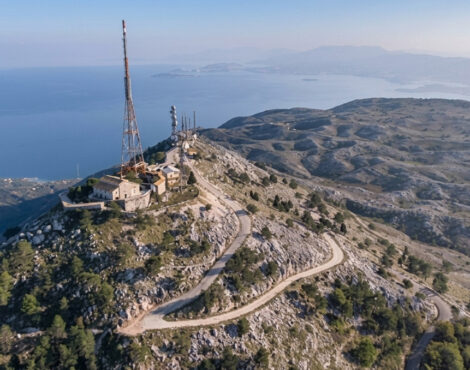
Mount Pantokrator ascent from Old Perithia showcases spring awakening dramatically. Lower elevation olive groves show fresh growth and wildflowers. Mid-elevation forests display new leaves and bird activity. Summit areas reveal alpine meadows beginning spring bloom. This vertical journey through ecological zones demonstrates season’s progression beautifully.
Coastal path from Kassiopi to Avlaki combines sea views with spring vegetation. The moderate difficulty suits range of fitness levels while clifftop positions provide dramatic vistas. Wildflowers along route create color against blue sea creating picturesque scenes.
Olive grove circuits through traditional agricultural landscapes allow experiencing working countryside at beautiful season. These gentle trails, suitable for families and casual hikers, provide cultural insight while showcasing spring’s natural abundance. Multiple routes exist near most villages.
The Corfu Trail’s northern sections through mountainous terrain offer serious hiking with spectacular spring scenery. These challenging routes reward fit hikers with solitude, dramatic landscapes, and comprehensive island exploration impossible through easier coastal walks.
Village-to-village routes following traditional paths connect communities through countryside. These cultural-natural hybrid trails provide both landscape beauty and authentic village experiences. Spring conditions make these historic routes particularly pleasant.
Lakeside walks around Lake Korission combine wetland bird watching with coastal views. The diverse habitats concentrated in small area create rich natural experience. Spring migration brings additional bird species making March optimal for nature observation.
Practical Preparation
March hiking success requires understanding seasonal conditions and preparing appropriately despite generally favorable weather.
Footwear quality proves crucial with waterproof hiking boots providing essential protection from residual trail moisture and potential rain. Good ankle support and grip prevent injuries on uneven terrain. Investing in proper boots transforms comfort and safety dramatically.
Layering clothing allows adjusting to changing conditions throughout hikes. Base layer, insulating mid-layer, and waterproof outer shell provide flexibility for varied weather and exertion levels. Removing or adding layers maintains comfort across temperature fluctuations.
Rain protection including waterproof jacket and pack cover prevents discomfort if weather changes unexpectedly. March showers, though brief, can thoroughly wet unprepared hikers. Quality rain gear packs small yet provides essential protection.
Sun protection remains necessary despite moderate temperatures. March sun, particularly at altitude or with reflective water surfaces, can cause burns. Sunscreen, hat, and sunglasses prevent damage while allowing comfortable outdoor time.
Hydration needs, though less than summer, still require carrying adequate water. Two liters minimum for substantial hikes ensures safety margin. Dehydration impairs judgment and physical performance even in moderate temperatures.
Navigation tools including maps, GPS devices, or smartphone apps with offline capability ensure route finding confidence. While many trails well-marked, technology backup prevents problems if markers missing or routes unclear.
Emergency supplies including first aid kit, emergency blanket, whistle, and charged phone provide safety net. March’s generally benign conditions don’t eliminate injury or emergency possibilities requiring preparation.
Wildlife and Nature Observation
March hiking provides exceptional wildlife and botanical observation opportunities as nature awakens from winter dormancy.
Bird identification reaches peak interest as diversity maximizes through resident and migrant species. Carrying binoculars and field guide enhances experience tremendously. Learning songs and calls adds auditory dimension to visual observation.
Wildflower photography challenges technical skills while providing beautiful subjects. Macro photography reveals intricate details while wide-angle shots show habitat context. The abundance ensures finding compelling subjects regardless of specific location.
Butterfly and insect emergence begins with early species appearing warm days. These harbingers of spring, though less abundant than summer peaks, signal seasonal progression. Patient observation reveals surprising diversity even early in season.
Reptile sightings increase as temperatures warm, lizards and snakes emerging from winter dormancy. Morning sunshine finds reptiles basking on rocks and paths. Observing from respectful distance allows appreciation without disturbance.
Mammal evidence including tracks, scat, and feeding signs reveals presence even when animals remain hidden. Learning to read these signs develops observation skills while providing insight into wildlife sharing landscape.
Plant identification beyond showy wildflowers develops deeper botanical knowledge. Learning to recognize trees, shrubs, and less obvious plants creates comprehensive understanding of plant communities and ecological relationships.
Photography Opportunities
March conditions create exceptional photographic opportunities combining optimal light, dramatic subjects, and comfortable working conditions.
Landscape photography benefits from dynamic cloud patterns creating dramatic skies. The interplay of light and shadow across hills, constantly changing through day, provides endless compositional opportunities.
Wildflower macro photography captures intricate details of blooms at peak. Morning dew, when present, adds visual interest through droplets catching light. The variety of species ensures subjects for any photographic style or interest.
Panoramic vista shots from mountain summits show island’s full character with green landscapes, blue sea, and varied topography. Clear spring air provides visibility often exceeding summer’s haze.
Golden hour light, both morning and evening, illuminates landscapes with warm tones particularly beautiful against spring’s green vegetation. These brief periods provide magical lighting conditions photographers specifically plan around.
Action photography capturing hikers against dramatic landscapes creates dynamic images. Including human elements provides scale while telling stories about adventure and outdoor recreation.
Detail shots of trail features including stone walls, ancient trees, traditional agriculture, and path characteristics document hiking experience beyond just vistas. These intimate images complement grand landscapes creating comprehensive photographic records.
March hiking in Corfu offers experiences qualitatively different and arguably superior to any other season. The combination of comfortable conditions, spectacular natural beauty, uncrowded trails, and spring’s renewal creates hiking at its finest. Those timing Corfu visits for March discover the island reveals natural treasures through walking that beach lounging and cultural sightseeing cannot access, understanding that Corfu’s soul resides partly in its mountains, trails, and wild places where spring’s annual miracle unfolds regardless of human observation, rewarding those making effort to witness transformation that has occurred countless times yet remains eternally fresh and miraculous to eyes willing seeing nature’s generosity and beauty offered freely to anyone walking slowly enough, looking carefully enough, and appreciating deeply enough to recognize perfection when encountering it along muddy March path carpeted with wildflowers nobody planted.