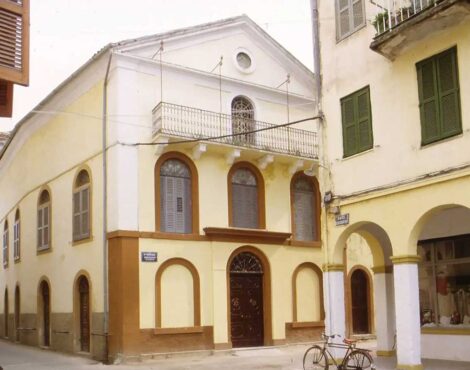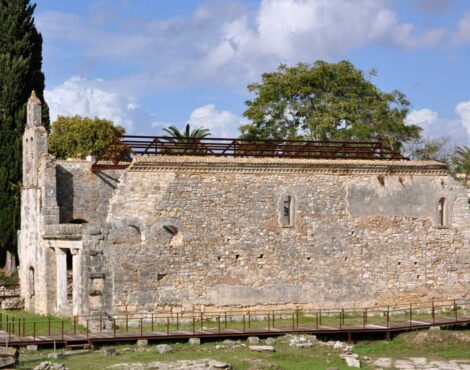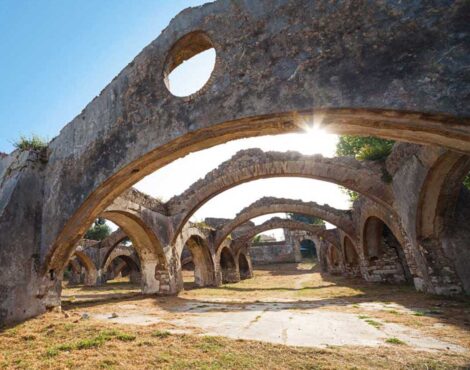
Corfu is an island that has been shaped by the influence of numerous cultures over the centuries, each leaving its distinct mark. Perhaps the most significant impact came from the Venetians, who ruled Corfu for over 400 years. Their presence can still be seen today, not only in the architecture of the Old Town but also in the island’s countryside. From art and cuisine to local dialects and traditions, the Venetian influence remains deeply embedded in Corfiot culture. However, there is one particular time of the year when Corfu feels more Venetian than ever—its famous carnival.
The history of the Corfiot Carnival dates back to the 14th century when the Venetians took control of the island and introduced their customs and festivities. Venice was renowned for its extravagant celebrations, and the carnival was one of the most spectacular events in the city. Just as other aspects of Venetian culture—such as music, architecture, and gastronomy—became part of everyday life in Corfu, so too did the carnival, gradually evolving to acquire its own unique character.
During the Venetian rule, the carnival provided an opportunity for people to escape the rigidity of daily life, dress in festive costumes, and enjoy themselves. The aristocracy would wear elaborate masks and luxurious garments, while the lower classes participated with simpler disguises and theatrical performances. Even after the Venetians left, the tradition continued, preserving many of its original influences.
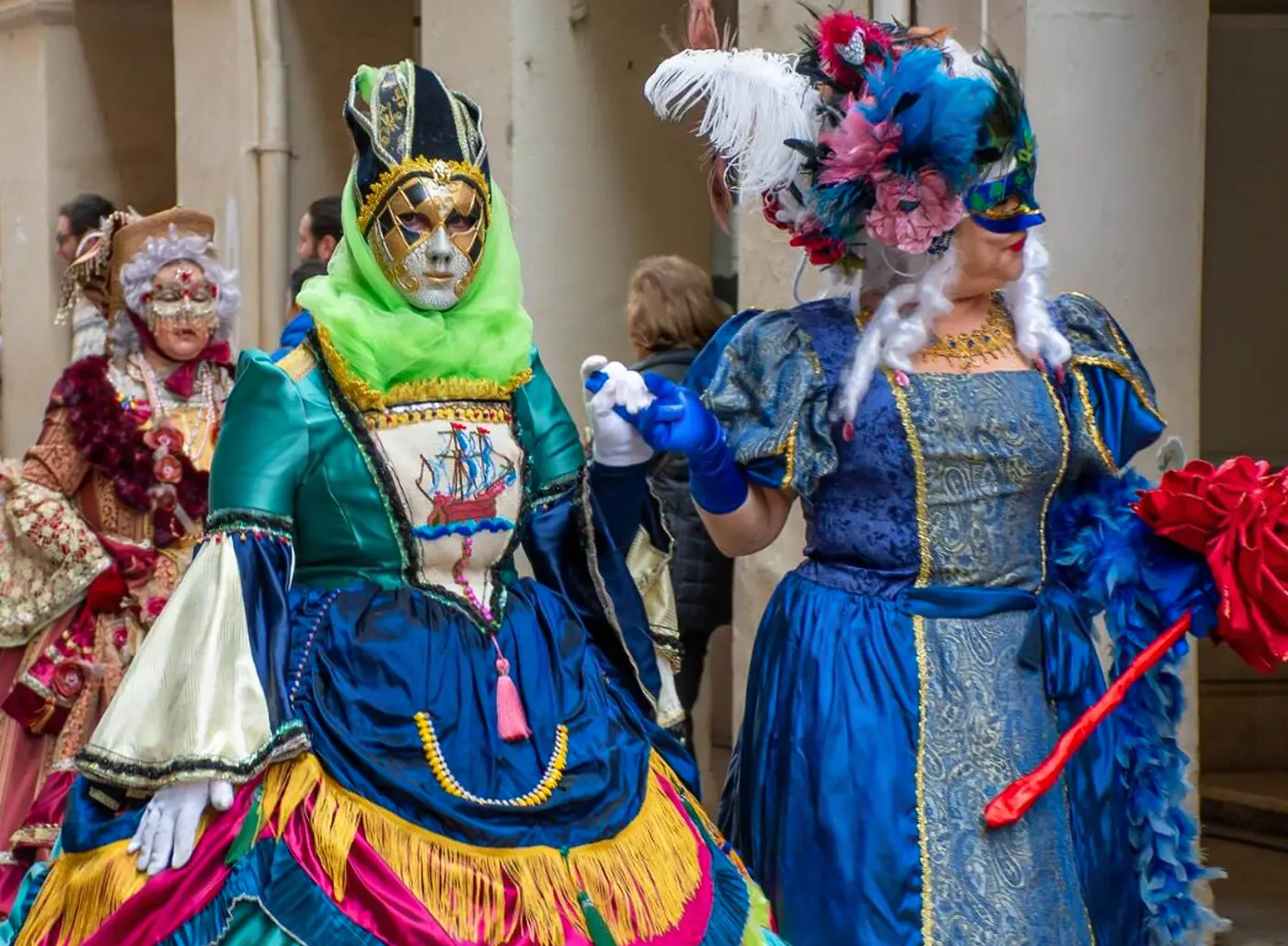
One of the most striking aspects of the Corfiot Carnival is the atmosphere in the Old Town. The narrow streets, known as kantounia, are filled with color, laughter, and music as people wear Renaissance-style costumes and Venetian masks, reviving the romantic and aristocratic ambiance of the Venetian carnival. Satire is a key component of the celebrations, a tradition that dates back to Venetian times when Corfiots used the carnival as an opportunity to mock the authorities, politicians, and social issues of the era. Even today, many of the performances and parades feature satirical elements based on contemporary political and social developments, sparking both amusement and discussion.
Although the Corfiot Carnival lost some of its popularity during the 20th century, in recent years, it has experienced a strong revival. Local authorities and cultural organizations have invested in reviving old traditions, reintroducing Venetian-inspired elements, and encouraging greater participation. Today, the Corfiot Carnival is a blend of historical tradition and modern entertainment. In addition to its classic events, new activities have been introduced, such as street parties, dance performances, and gastronomy festivals, attracting both locals and visitors from across Greece and abroad.
A particularly notable part of the celebrations is the revival of traditional Venetian dances, such as the Quadrilles and Lanciers, which take place in elegant halls and recreate the atmosphere of Venetian high society. The Italian influence is also evident in the language, as many words and expressions used during the carnival are of Venetian origin. Even this small linguistic detail contributes to the sense that the Corfiot Carnival is a Renaissance gathering, rich in aristocratic and cultural elements.
The Corfu Carnival is more than just a celebration, it is an immersive experience that transports visitors to another era, filled with romance, color, and music. It is an opportunity to connect with the island’s rich cultural heritage, take part in authentic traditional festivities, and embrace the unique atmosphere that fills Corfu’s streets during this magical season.
For those who love history and carnival festivities, the Corfiot Carnival is a must-see event. Rooted in Venetian traditions yet deeply intertwined with Greek culture, it offers a unique experience that merges the old with the new, satire with art, and entertainment with historical legacy.