
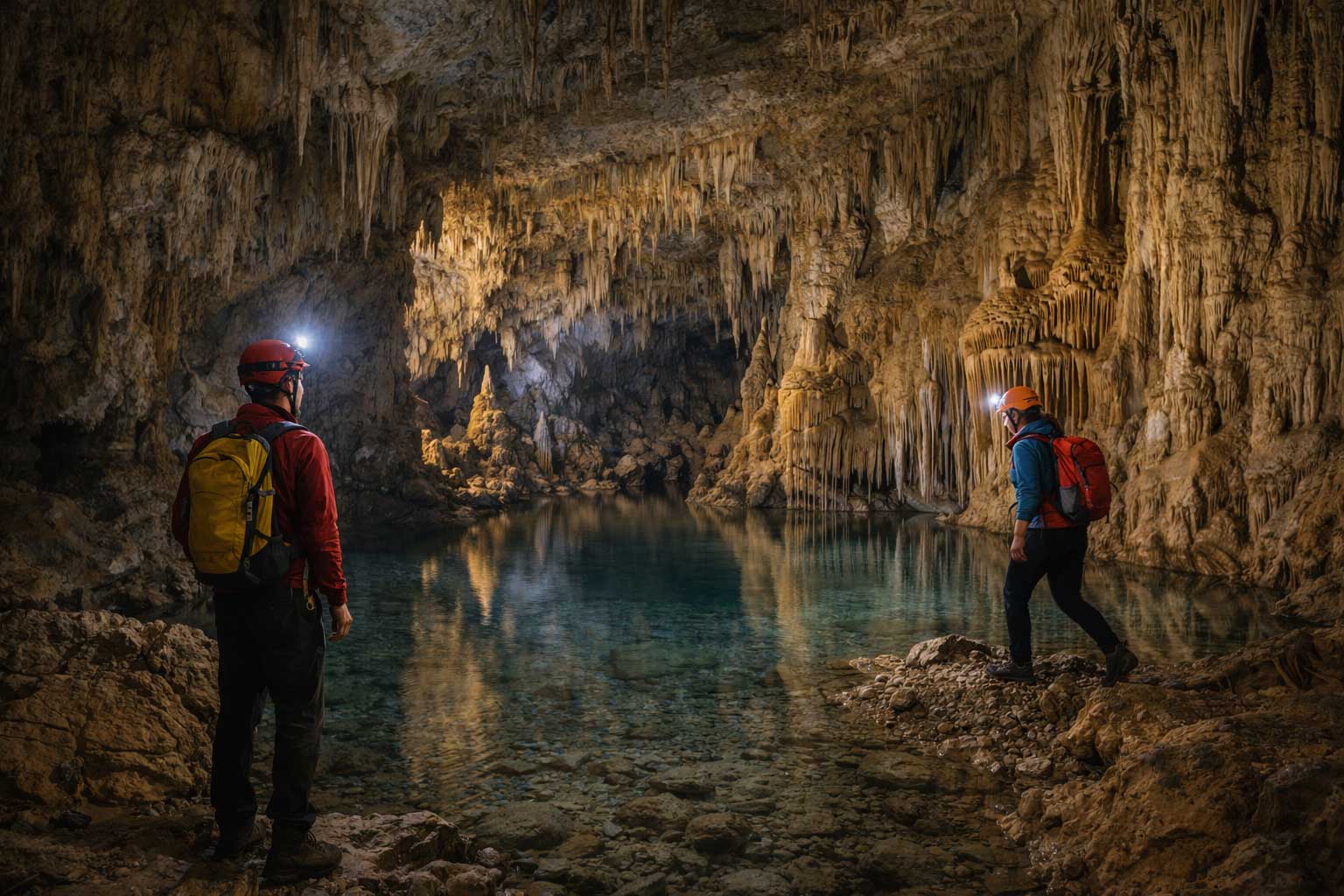
Corfu’s Cave Systems: Exploring Underground Natural Wonders to Discover
Beneath Corfu’s surface lies hidden world of geological wonders carved over millennia by water’s persistent erosion of limestone bedrock. Cave systems, ranging from sea-level coastal grottos accessible by boat to inland formations requiring technical exploration, reveal natural architecture rivaling any human construction through chambers decorated with stalactites, stalagmites, and flowing stone formations demonstrating geological processes operating on timescales incomprehensible to human consciousness. These underground spaces, though less famous than caves in other Greek regions, nonetheless represent significant natural heritage deserving appreciation and protection while offering adventurous travelers experiences beyond typical island tourism. Understanding Corfu’s subterranean geography, the accessible caves worth visiting, and proper exploration practices enables discovering dimensions of the island invisible from sun-drenched beaches and historic town squares.
Geological Formation and Cave Development
Corfu’s cave systems result from specific geological conditions creating environments where underground spaces develop through natural processes operating across millions of years.
Limestone bedrock underlying much of Corfu provides essential material for cave formation. This sedimentary rock, composed primarily of calcium carbonate, dissolves when exposed to slightly acidic water created by carbon dioxide absorption from atmosphere and soil. This chemical process, seemingly insignificant in single raindrop, accumulates over geological time creating massive underground voids.
Karst topography, the landscape type developing in soluble rock regions, characterizes areas of Corfu where caves concentrate. This terrain features sinkholes, underground drainage, springs emerging from rock faces, and of course cave systems. The surface topography hints at underground complexity invisible above ground.
Water infiltration through cracks, fractures, and porous rock begins dissolution process. Rainwater, slightly acidic from atmospheric carbon dioxide and especially organic acids from soil, percolates downward dissolving limestone incrementally. Over thousands of years, small fissures enlarge into passages and eventually substantial chambers.
Underground streams, once passages enlarge sufficiently, accelerate erosion through mechanical action supplementing chemical dissolution. Flowing water carries sediment abrading rock surfaces while turbulence creates complex erosion patterns. These active streams sometimes still flow in Corfu caves, their presence audible and occasionally visible.
Sea level changes throughout geological history created multiple cave formation episodes. Caves currently above sea level formed when water tables stood higher. Coastal caves at current sea level demonstrate ongoing formation. This vertical distribution reflects Corfu’s geological uplift and sea level fluctuations across millions of years.
Tectonic activity including faulting and fracturing created initial weakness zones water exploitation during cave development. Corfu’s location along seismically active Mediterranean means earthquake history contributed to creating passage networks water subsequently enlarged.
Speleothem formation including stalactites growing downward from ceilings, stalagmites building upward from floors, and flowstone coating surfaces with calcite creates spectacular cave decorations. These formations grow incredibly slowly, often fractions of millimeter annually, meaning substantial deposits represent thousands or tens of thousands of years accumulation.
Coastal Cave Systems
Corfu’s coastline, particularly western cliffs facing Ionian Sea, features numerous coastal caves ranging from small grottos to extensive systems partially submerged by sea.
Paleokastritsa area contains multiple sea caves accessible by small boat. These formations, carved by wave action and dissolution at sea level, feature dramatic entrances, blue water illumination, and in some cases extensive interior chambers. Boat tours regularly visit these caves during tourist season creating accessible cave experience requiring no special skills or equipment.
The famous Blue Caves, though less extensive than Capri’s famous namesake, demonstrate similar optical phenomena where sunlight filtering through clear water creates blue illumination reflected off white limestone walls and cave ceilings. The effect, most dramatic midday when sun angle optimal, creates otherworldly atmosphere.
Cave characteristics including size, accessibility, and decoration vary tremendously. Some barely qualify as caves, being simple indentations in cliff faces. Others extend substantially inland with multiple chambers and side passages. Learning from boat operators which caves offer most interesting features guides tour selection.
Swimming opportunities exist in some caves depending on size, water depth, and wave conditions. The combination of swimming in crystal-clear water within geological chamber creates unique experience. However, safety requires calm conditions and supervision, as caves concentrate wave action and currents potentially dangerous.
Wildlife inhabitation including bats, cave-adapted invertebrates, and marine life utilizing caves as habitat adds biological interest to geological attractions. Observing these adapted species provides ecological dimension beyond pure geology.
Historical use of coastal caves for shelter, storage, and in some cases religious purposes adds cultural layer to natural formations. Evidence of past human presence sometimes visible though often subtle and easily overlooked without guidance.
Photography challenges in cave environments require understanding low light conditions, water reflection, and scale representation. Wide-angle lenses capture chamber extent while longer exposures manage limited light. The effort rewards with images conveying underground beauty difficult describing verbally.
Inland Cave Systems
Beyond coastal formations, Corfu’s interior contains cave systems requiring more committed exploration though offering experiences impossible in easily accessible coastal grottos.
Mountain karst areas particularly around Pantokrator and other limestone peaks contain caves ranging from simple single-chamber formations to complex multi-level systems. These caves, formed by underground water flow from higher elevations, sometimes connect to springs emerging lower on mountainsides.
Access difficulty varies from easy walks to technical spelunking requiring ropes, specialized equipment, and experienced guidance. Most significant inland caves lack tourist infrastructure meaning exploration requires self-sufficiency and proper preparation or professional guide services.
Cave surveys and documentation remain incomplete with many formations unmapped and unstudied. This knowledge gap means potential exists for significant discoveries though also creates risk for casual explorers entering unknown systems without proper precautions.
Seasonal variation in water levels dramatically affects accessibility and safety. Spring’s higher water from winter rains makes some caves dangerous or impossible entering. Summer’s lower water levels improve access though some formations best during wetter periods when active water flow creates dynamic conditions.
Temperature stability inside caves contrasts with surface conditions. Year-round temperatures typically 15-17°C regardless of outside weather creates cool refuge summer and relatively warm shelter winter. This thermal stability results from earth’s insulating properties and lack of direct sun exposure.
Biological communities including endemic cave-adapted species occasionally inhabit inland caves. These specialized organisms, evolved for lightless conditions, demonstrate evolutionary adaptation’s remarkable capabilities. However, their rarity and vulnerability requires extreme care avoiding disturbance.
Archaeological potential in some caves suggests historical human use though systematic archaeological survey limited. Occasional artifact discoveries hint at prehistoric occupation, religious use, or historical shelter. These cultural associations add human dimension to natural features.
Cave Exploration Ethics and Safety
Responsible cave exploration requires understanding both safety considerations protecting explorers and conservation ethics protecting cave environments.
Safety preparation includes never entering unfamiliar caves alone, informing someone of plans and expected return, carrying multiple independent light sources, wearing helmets in any cave with head-height restrictions, and understanding flooding risks particularly during or after rain.
Equipment requirements for serious exploration include helmet-mounted LED headlamp plus backup lighting, sturdy boots with good traction, appropriate clothing accepting it will get dirty and potentially wet, first aid supplies, and for technical caves ropes and climbing gear with knowledge using them properly.
Navigation awareness recognizes cave passages look different from opposite direction creating disorientation risk. Marking route with biodegradable markers at complex junctions, or better yet hiring experienced guide knowing systems, prevents potentially fatal navigation errors.
Physical demands of cave exploration including crawling, climbing, and sustained exertion in sometimes uncomfortable positions requires realistic self-assessment. Claustrophobia, fitness limitations, or health conditions may make cave exploration inappropriate regardless of desire.
Weather monitoring before and during cave trips prevents being caught by flooding. Caves concentrate drainage from large surface areas meaning flash flooding possible even when immediate location not experiencing rain. Understanding local weather and exercising extreme caution during unstable conditions essential.
Conservation obligations require leaving caves exactly as found. “Take only photographs, leave only footprints” applies absolutely. Touching formations stops their growth through oil transfer from skin. Breaking formations destroys features requiring millennia developing. Removing anything from caves, whether geological or archaeological, constitutes theft from public heritage.
Bat protection during maternity and hibernation seasons requires avoiding caves during sensitive periods or maintaining distance from roosts. Disturbing bats during these vulnerable times can cause colony abandonment or death through energy depletion.
Graffiti prohibition applies absolutely in cave environments. Defacing geological features or historical walls demonstrates profound disrespect for natural and cultural heritage while permanently diminishing experience for future visitors.
Accessible Cave Experiences
For those seeking cave experiences without technical challenges or excessive risks, several accessible options provide introduction to underground environments.
Boat tour coastal caves near Paleokastritsa represent easiest access requiring no special skills, equipment, or physical demands beyond boat boarding. These tours, weather permitting, operate regularly during tourist season with minimal advance booking required for standard trips.
Guided cave exploration tours, when available through adventure tourism operators, provide safe introduction to more substantial cave systems under professional supervision with appropriate equipment provided. These experiences, though more expensive than self-guided exploration, eliminate most risks while maximizing educational value.
Sea-level grottos accessible from beaches sometimes permit walking or careful scrambling entering without swimming or boats. These formations, while perhaps less dramatic than deeper systems, provide cave experience accessible to broad audiences including families with children.
Springs emerging from cave systems allow observing where underground water exits without entering caves themselves. These springs, often featuring clear blue-green water flowing from rock faces, demonstrate active cave hydrology while remaining completely safe to observe.
Cave-related geological features on surface including sinkholes, limestone pavements, and karst topography provide evidence of underground processes without requiring underground access. Understanding surface karst landscape enhances appreciation for unseen underground complexity.
Educational resources including geological surveys, speleological society publications, and natural history museum displays provide information about cave systems without physical exploration. These resources serve those unable or unwilling entering caves while still interested in geology.
Photography exhibitions and documentaries showcasing Corfu caves enable virtual experiences for those physical limitations or safety concerns prevent actual exploration. These visual resources convey underground beauty while respecting that not everyone can or should enter caves.
Scientific and Conservation Value
Cave systems represent more than recreational resources, carrying significant scientific value deserving protection and study.
Geological research opportunities include studying speleothem formation rates revealing climate history, analyzing cave sediments preserving environmental records, and understanding karst hydrology with implications for water resource management.
Paleontological potential exists as caves preserve bones and fossils sometimes absent from surface deposits. These fossil assemblages reveal past fauna and environmental conditions providing windows into Corfu’s biological history.
Archaeological significance of caves as prehistoric human shelter creates cultural heritage value. Caves provided protection from elements and predators making them preferred habitation sites for early humans whose material culture sometimes preserved in cave deposits.
Biological studies of cave-adapted species contribute to evolutionary biology understanding. These organisms, often endemic to specific caves, demonstrate evolutionary processes while their rarity creates conservation urgency.
Hydrological importance as caves route significant groundwater affecting surface water availability and quality. Understanding cave hydrology proves essential for sustainable water resource management particularly during increasing climate change pressure.
Conservation challenges include preventing pollution entering cave systems through surface activities, limiting physical damage from exploration or vandalism, protecting biological communities from disturbance, and maintaining natural processes including water flow and formation growth.
Legal protection varies with some caves within protected areas while others lack formal protection. Expanding conservation recognition and implementing management plans ensures preservation for future generations and continued scientific study.
Corfu’s caves, though perhaps overlooked by visitors focusing on beaches, history, and cuisine, represent significant natural heritage revealing island’s geological history and underground complexity invisible from surface. These formations, whether accessed through boat tours visiting coastal grottos or committed exploration of inland systems, offer experiences and beauty utterly different from surface attractions. The underground world, dark and initially forbidding, rewards those venturing into it with perspectives on geological time, natural architecture, and earth processes that surface experiences rarely convey. Responsible exploration, whether casual boat tour or technical spelunking, requires respecting caves’ fragility, understanding risks, and appreciating that these formations represent millions of years development deserving protection and respect, ensuring future generations can experience same wonder discovering chambers decorated with impossible stone formations, underground streams flowing through passages carved across millennia, and darkness so complete that extinction of lights reveals absence of light itself creating sensory experience impossible in light-polluted modern world, reminding us that earth holds mysteries and beauties accessible only to those willing venturing beyond comfortable familiar surfaces into depths where nature sculpts wonders patiently and persistently, indifferent to human timescales yet generous to those respectful enough approaching with appropriate humility and care.