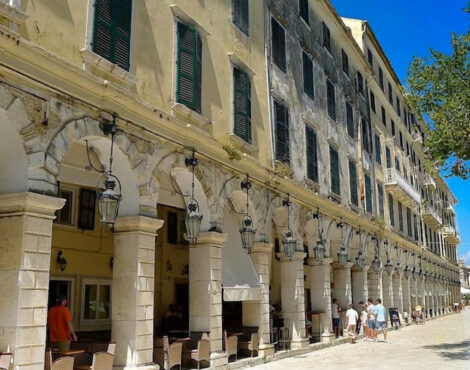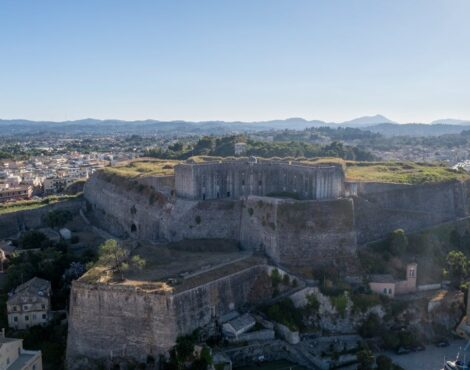
The British legacy in Corfu remains remarkably visible nearly two centuries after the island’s brief period under British protection ended in 1864. This Ionian island, with its Venetian fortresses and Greek spirit, carries unexpected traces of British influence that distinguish it from other Greek destinations. From the distinctive sound of leather on willow at the cricket ground to the fizzy sweetness of locally produced ginger beer, Corfu’s cultural landscape reflects an intriguing blend of Mediterranean and British traditions.The British legacy in Corfu extends beyond these charming curiosities into architecture, urban planning, and social customs that continue to shape island life today. The elegant arcades of the Liston, inspired by Parisian design but commissioned by British administrators, stand as testament to this period of transformation. Understanding this unique colonial footprint offers valuable insights into how cultural exchange, even through imperial channels, can create lasting hybrid identities. As travelers explore Corfu’s beaches and historic sites, they encounter a fascinating case study of how British imperial ambitions left indelible marks on a Greek island’s character.
The historical roots of British rule in the Ionian Islands
The British presence in the Ionian Islands began in 1815 following the defeat of Napoleon at Waterloo. The Congress of Vienna established the United States of the Ionian Islands, a British protectorate that included Corfu, Zakynthos, Kefalonia, Lefkada, Ithaca, Paxoi, and Kythira. While technically independent, the islands operated under British military and administrative control for nearly half a century.
Britain’s strategic interest in the region stemmed from the islands’ position along vital Mediterranean trade routes. Corfu, with its natural harbors and proximity to mainland Greece and Italy, served as a crucial naval base for protecting British commercial interests and monitoring European powers in the eastern Mediterranean.
The British High Commissioner wielded considerable authority over local affairs, introducing administrative reforms, infrastructure projects, and legal systems based on English common law. Sir Thomas Maitland, the first High Commissioner, implemented policies that often clashed with local traditions, earning him the nickname “King Tom” for his autocratic governance style.
The period of British rule witnessed significant development in public works, including roads, aqueducts, and public buildings. However, growing Greek nationalism and local demands for unification with the newly independent Greek state eventually led Britain to cede the Ionian Islands to Greece in 1864, marking the end of formal British administration.
Cricket on the Esplanade: A uniquely British tradition in Greece
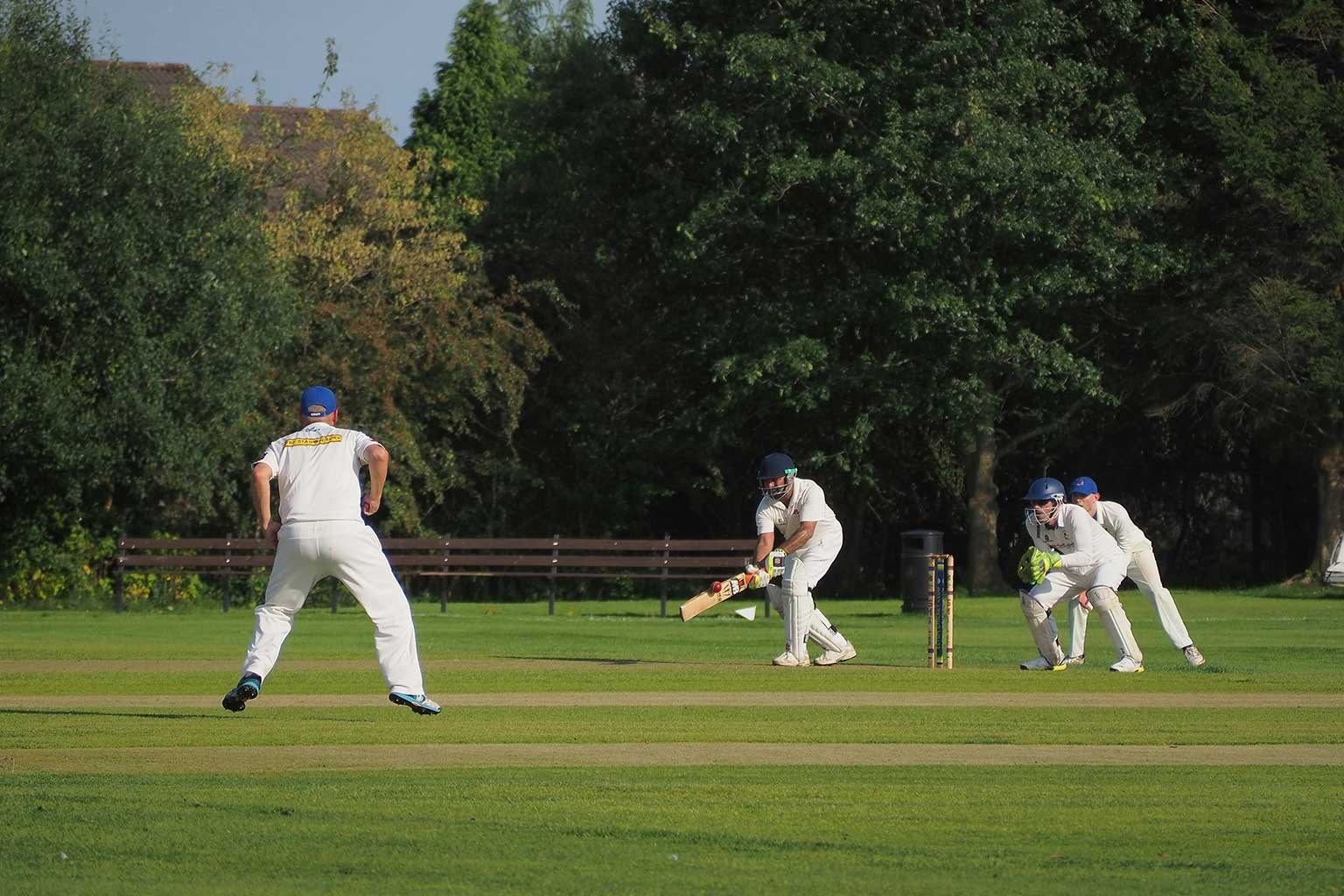
The Spianada, or Esplanade, stands as one of the largest public squares in Greece, and it hosts a tradition that remains entirely foreign to the rest of the country. Cricket has been played on this verdant green since the British established their protectorate over the Ionian Islands in 1814. Today, the Corfu Cricket Club continues this legacy, making the island the only place in Greece where the sport is regularly practiced.
British garrison soldiers first introduced the game during their administration, constructing a proper pitch on the northern section of the Esplanade. The tradition took root among the local population, and Corfiot teams began forming by the mid-19th century. When the British ceded the islands to Greece in 1864, cricket remained embedded in local culture, surviving through generations despite its absence elsewhere in the country.
Matches still take place on weekends during the summer months, with players dressed in traditional whites against the backdrop of the Old Fortress and Liston arcade. The sight proves jarring for visitors expecting typical Mediterranean scenes. Local clubs compete in tournaments, and the sport has produced several Corfiot players who have represented Greece in international cricket associations, though the national team remains largely composed of expatriates and immigrants from cricket-playing nations.
Ginger beer and kumquat: British beverages that became Corfiot staples
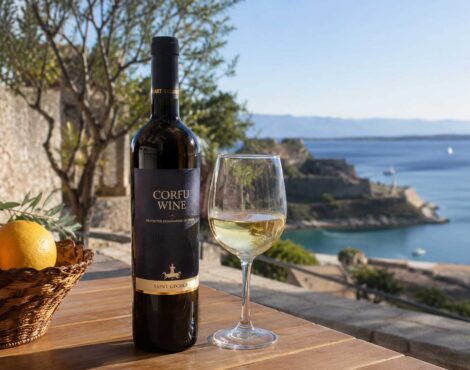
When the British established their protectorate over Corfu in 1815, they brought with them a taste for ginger beer, a spicy, non-alcoholic drink that quickly found favor among the local population. Corfiot artisans adapted the recipe, and today, authentic ginger beer remains a beloved refreshment across the island, served in traditional cafés and tavernas. The beverage’s legacy persists in family-run businesses that still follow closely guarded recipes passed down through generations.
The British also introduced kumquats to Corfu in the mid-19th century, though the citrus fruit originated in Asia. The island’s climate proved ideal for cultivation, and enterprising Corfiots began producing kumquat liqueur, a sweet and aromatic spirit that has become synonymous with the island. This amber-colored drink, along with kumquat preserves and candied fruits, now represents one of Corfu’s most distinctive exports.
What makes these beverages particularly significant is how thoroughly they integrated into Corfiot culture. Unlike other colonial imports that faded after British departure in 1864, ginger beer and kumquat products evolved into authentic local traditions. Visitors today find these drinks not in tourist shops marketing British nostalgia, but in genuine Corfiot establishments where they are consumed as part of everyday life, representing a unique fusion of British influence and Greek Mediterranean culture.
Architectural remnants of the British Protectorate era
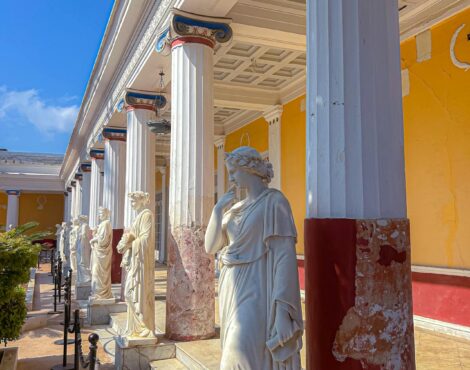
The architectural landscape of Corfu Town bears striking evidence of British influence during the Protectorate period from 1815 to 1864. The most prominent example is the Palace of St. Michael and St. George, a neoclassical edifice commissioned by Sir Thomas Maitland and completed in 1824. Designed by Colonel George Whitmore, the palace served as the residence of the British Lord High Commissioner and now houses the Museum of Asian Art.
The Esplanade, or Spianada, reflects British town planning sensibilities. This expansive green space became the site of the Liston arcade, a colonnaded structure reminiscent of Parisian architecture but built under British administration. The adjacent cricket pitch, established by British garrison troops, remains one of the few active cricket grounds in Greece and continues to host matches today.
British military engineering left its mark through infrastructure improvements, including roads and water systems. The Mon Repos estate, built as a summer residence for the Lord High Commissioner, showcases Regency architectural principles adapted to the Mediterranean climate. This villa later became the birthplace of Prince Philip, Duke of Edinburgh, in 1921.
These structures represent a unique architectural fusion, blending British colonial administration styles with Venetian and Greek elements that characterized Corfu’s complex historical identity.
The Palace of St. Michael and St. George: British administrative legacy
The Palace of St. Michael and St. George stands as the most prominent architectural testament to British rule in Corfu. Commissioned by Sir Thomas Maitland, the first Lord High Commissioner of the United States of the Ionian Islands, this neoclassical edifice was completed in 1824 and served as the seat of the British administration until the islands were ceded to Greece in 1864.
Designed by Colonel George Whitmore of the Royal Engineers, the palace exhibits the quintessential characteristics of Regency architecture. Its imposing façade features a triumphal arch flanked by Doric colonnades, while the interior showcases grand ceremonial halls adorned with elaborate frescoes and marble staircases. The building’s construction utilized Maltese limestone, a material choice that reflected both British imperial connections and practical considerations for the Mediterranean climate.
Today, the palace houses the Museum of Asian Art, one of the most significant collections of its kind in Europe. The building’s throne room and state apartments remain preserved, offering visitors a glimpse into the grandeur of British colonial administration. The palace grounds, featuring formal gardens and strategic positioning overlooking the old town, further demonstrate the British emphasis on projecting power through architecture and urban planning during their protectorate period.
How British influence shaped modern Corfiot culture and identity
The British protectorate over Corfu from 1815 to 1864 left an indelible mark on the island’s cultural fabric that extends far beyond administrative structures. Unlike other Mediterranean islands that experienced colonial rule, Corfu developed a unique hybrid identity that blended Venetian, Greek, and British influences into something distinctly its own.
British administrators introduced educational reforms that emphasized English language instruction alongside Greek, creating a bilingual elite class that facilitated trade and diplomatic relations throughout the 19th century. The establishment of the Ionian Academy in 1824 brought British academic standards to the island, fostering intellectual exchange that shaped Corfiot philosophy and literature for generations.
Urban planning initiatives transformed Corfu Town’s infrastructure, with the construction of wide avenues, public gardens, and civic buildings that reflected Victorian sensibilities. The Esplanade, originally a Venetian fortification zone, was reimagined as a public promenade and cricket ground, symbolizing the British commitment to leisure and social order.
Perhaps most significantly, British legal codes and parliamentary practices influenced local governance structures, introducing concepts of civil rights and representative democracy that would later inform Greek national politics. This constitutional legacy proved more enduring than the physical monuments, as Corfiot politicians carried these principles into the newly unified Greek state after 1864.