Local Festivals and Celebrations: Corfu’s Cultural Calendar
Corfu’s calendar punctuates throughout the year with festivals blending religious devotion, cultural expression, and communal celebration. These events, from elaborate Easter processions to intimate village panigiri, reveal island soul beyond tourist attractions. Orthodox traditions shape religious celebrations while historical influences from Venetian, French, and British periods add unique elements found nowhere else in Greece. Participating respectfully allows witnessing authentic cultural expressions where community comes together honoring traditions spanning centuries through ritual, music, feasting, and collective joy creating memories and maintaining bonds that define Corfiot identity.
Easter: The Ultimate Celebration
Greek Orthodox Easter surpasses Christmas as the year’s most important religious celebration. Corfu’s Easter traditions blend standard Orthodox practices with unique local customs creating week-long spectacle of faith, music, and community participation drawing visitors from across Greece and internationally.
Holy Week begins Palm Sunday when processions carry Saint Spyridon’s relics accompanied by philharmonic bands through packed streets. This ceremony launches intensive religious observances culminating in Saturday night’s glorious Resurrection celebration transforming darkness into light.
Holy Thursday evening brings first major procession as churches conduct Passion services then process with epitaphios (Christ’s funeral bier decorated with flowers) through neighborhoods. Multiple simultaneous processions from different parishes create city-wide sacred atmosphere as solemn music and prayer fill the air.
Good Friday features even larger, more elaborate processions. Major churches participate with philharmonic bands providing musical accompaniment. The atmosphere intensely mournful reflecting Christ’s crucifixion and death. Black-clad participants and somber marches create powerful emotional impact witnessed by thousands lining streets.
The famous pot-throwing tradition occurs Saturday morning at 11 AM precisely. Residents throw clay pots from balconies, crashing symbolizing earthquake at Christ’s resurrection and rejection of evil. Thousands gather watching pots smash creating remarkable spectacle. Origins disputed though tradition firmly established as uniquely Corfiot custom.
Saturday midnight Resurrection service represents week’s spiritual and emotional climax. Churches overflow with faithful holding unlit candles. At midnight, priest announces “Christos Anesti” (Christ is Risen), congregation responds “Alithos Anesti” (Truly Risen), and Holy Light passes from candle to candle transforming darkness into sea of flames. Fireworks explode, bells ring joyously, and celebration erupts after week’s mourning.
Easter Sunday features outdoor spit-roasting of lamb as families gather for daylong feasting breaking Lenten fast enthusiastically. Traditional dishes include magiritsa (organ meat soup), tsoureki (sweet bread), and red-dyed eggs symbolizing Christ’s blood and resurrection. Music, dancing, and celebration continue through afternoon and evening.
Saint Spyridon Festivals
Saint Spyridon, Corfu’s patron saint, is honored four times annually on his feast days. His relics, preserved in silver casket at church bearing his name, process through town on these occasions creating elaborate ceremonies combining religious devotion with civic pride.
December 12 commemorates saint’s death and represents most important feast. Elaborate processions feature multiple philharmonic bands, church officials, civic authorities, and faithful creating impressive displays. Hotels fill and restaurants overflow indicating festival’s significance drawing visitors specifically for celebration.
Palm Sunday procession coincides with Holy Week but maintains distinct focus on Saint Spyridon. The dual religious significance creates particularly elaborate celebration blending Easter observances with patron saint veneration.
August 11 marks miraculous salvation from Ottoman siege according to tradition. Summer timing means maximum tourist presence witnessing celebration. The event blends gratitude for historical deliverance with contemporary tourist season reality creating mixed sacred and secular atmosphere.
First Sunday November remembers another miraculous intervention attributed to Saint Spyridon. Though least elaborate of four festivals, it maintains religious significance and community participation demonstrating ongoing devotion beyond major celebrations.
Church of Saint Spyridon becomes pilgrimage destination during festivals as faithful venerate relics, light candles, and pray for intercession. The church’s richly decorated interior and palpable devotion create powerful spiritual atmosphere regardless of personal faith traditions.
Carnival: Pre-Lenten Revelry
Carnival provides final celebration before Lenten austerity beginning on Clean Monday. Corfu’s carnival, though less internationally famous than Patras, maintains distinct local character with traditions dating to Venetian period demonstrating how religious calendar structures secular celebration.
Festivities span approximately three weeks though intensity increases toward final weekend. Costume parties, masquerade balls, and street celebrations occur throughout period. Children’s events, satirical performances, and traditional dances provide varied entertainment appealing to different ages and interests.
Main parade occurs final Sunday featuring elaborate floats, costume groups, and marching bands. Themes satirizing politics, current events, and social issues provide humor and commentary. Preparation requires months demonstrating serious commitment despite festive spirit creating genuine folk art.
Masked figures called “bouloi” appear throughout carnival wearing traditional costumes with elaborate masks creating mysterious characters. Origins traced to Venetian carnevale though local evolution created distinctly Corfiot expressions different from Italian models.
Saturday evening before Clean Monday, burning of carnival king marks festivities’ end. Symbolic figure, often resembling unpopular politician or representing year’s troubles, burns in public ceremony providing ritual cleansing preparing community for Lenten period’s spiritual focus.
Clean Monday officially ends carnival and begins Lent. While not festive per se, families fly kites and eat fasting foods during countryside outings. Pleasant late winter weather enables outdoor activities marking transition from indulgence to restraint.
Village Panigiri
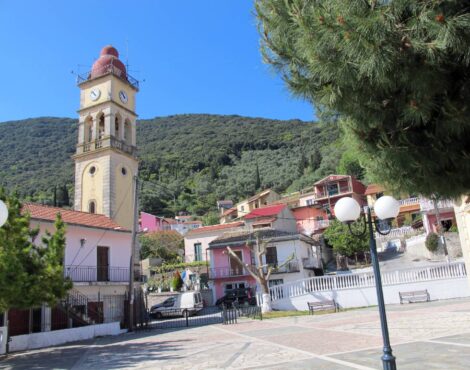
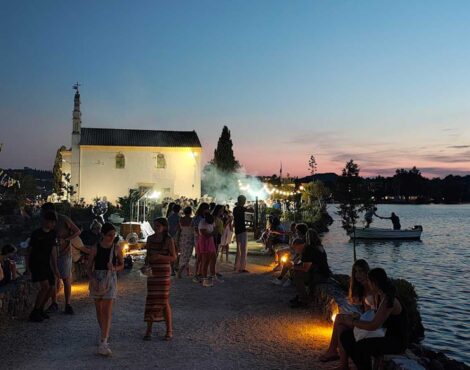
Every village celebrates its patron saint’s feast day with panigiri embodying grassroots cultural expression. These local festivals represent community honoring tradition while enjoying collective celebration creating bonds maintaining village identity and cohesion.
Religious service opens festivities, typically attended by entire village demonstrating genuine devotion. Following liturgy, procession carries saint’s icon through village streets accompanied by philharmonic band or smaller musical group. Religious devotion genuine though festive atmosphere prevails creating sacred and social blend.
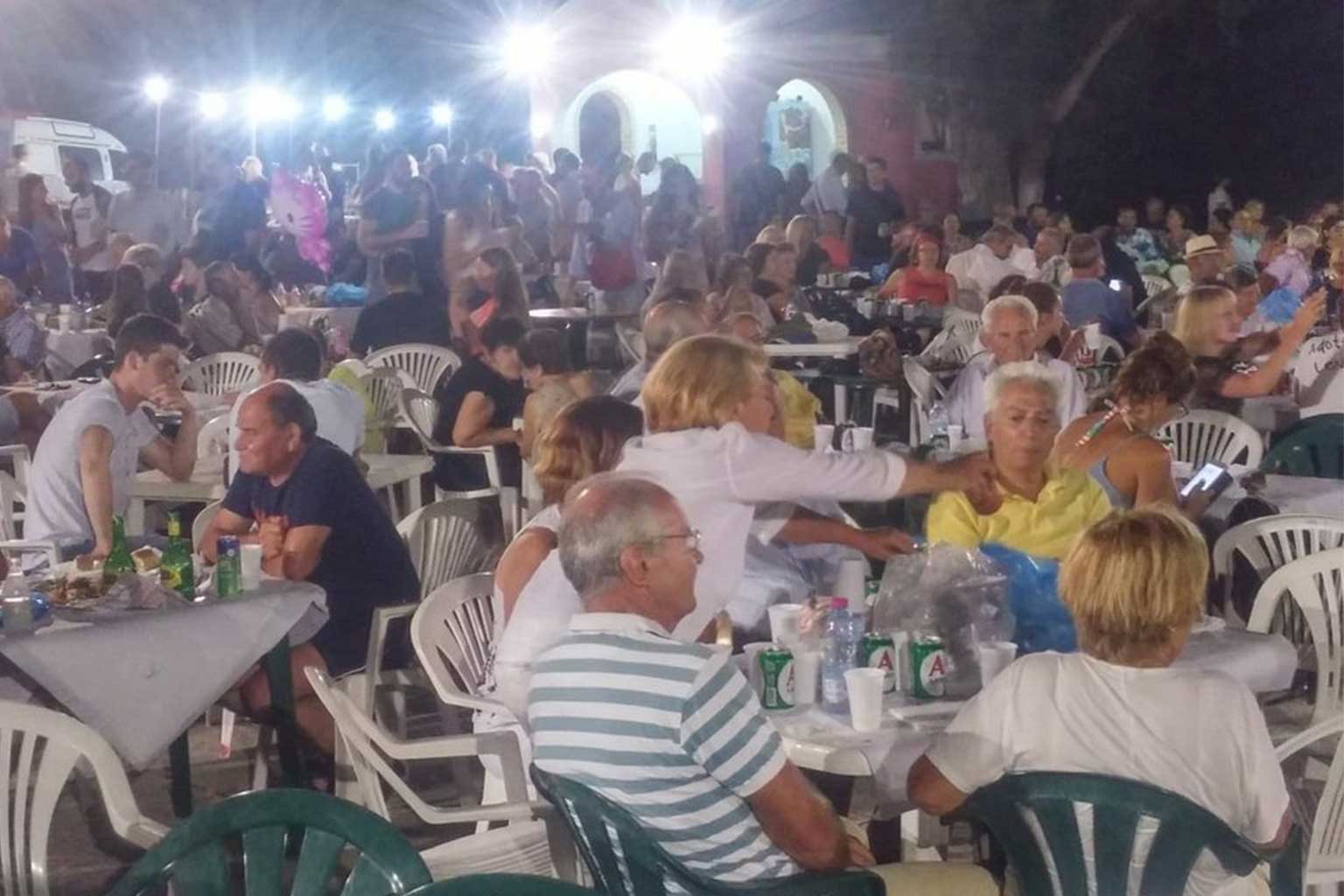
Communal meal traditionally follows religious observances. Historically, whole animals roasted on spits with food shared freely among participants. Modern celebrations sometimes modify traditions though communal eating remains central. Visitors welcomed to join demonstrating legendary Greek hospitality and inclusive community spirit.
Live music and dancing continue into evening and night. Traditional Greek music played by local musicians encourages participation regardless of skill level. Circle dances invite joining, their repetitive patterns allowing quick learning. The inclusive nature breaks barriers between villagers and visitors creating genuine shared experience.
Local products often sold at panigiri including wine, olive oil, honey, and crafts providing income for families while offering authentic souvenirs. Prices typically reasonable reflecting local rather than tourist-oriented markets creating fair economic exchange.
Gambling games, carnival booths, and children’s activities create festival atmosphere beyond religious core. These secular elements blend with religious foundations creating holistic community celebration addressing spiritual and social needs simultaneously.
Seasonal and Agricultural Festivals
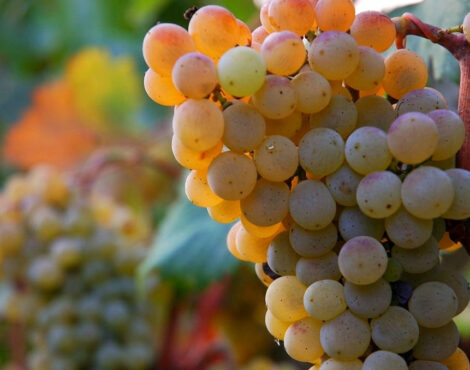
Harvest celebrations mark agricultural calendar’s important moments. Grape harvest in September brings wine festivals at wineries and villages. Olive harvest extending into winter creates opportunities for participation and observation of traditional practices maintaining connection to land.
Wine festivals, relatively recent additions to calendar, reflect growing wine tourism and viticultural renaissance. These feature tastings from multiple producers, educational seminars, food pairings, and music creating comprehensive programs. Entry fees typically modest with tastings included.
Kumquat festivals celebrate Corfu’s distinctive citrus during harvest season. Liqueur tastings, dessert sampling, and product sales showcase this unique Corfiot specialty. Educational components explain cultivation and processing maintaining knowledge about local agricultural traditions.
Olive-related festivals honor product central to Corfiot economy and culture for centuries. These celebrations during harvest season offer tastings, demonstrations, and education about production. Given olive oil’s importance to island agriculture and cuisine, these festivals honor fundamental local product.
Finding and Experiencing Festivals
Festival dates follow liturgical calendar and local traditions making advance research valuable. Tourist offices, local websites, and inquiries at accommodations reveal upcoming celebrations. Spontaneous discoveries add serendipity to planned attendance creating unexpected memorable experiences.
Appropriate dress particularly for religious portions shows respect. Modest clothing covering shoulders and knees essential for church services and processions. Removing hats during religious observances demonstrates awareness of Orthodox customs even for non-believers.
Photography etiquette includes asking permission for close-up portraits, avoiding flash during services, and not obstructing processions. Capturing memories shouldn’t interfere with participants’ experiences or religious solemnity requiring sensitivity and discretion.
Behavior standards require quiet conversation during religious portions, following crowd flow without pushing, and refraining from intoxication at sacred events. Festival aspects appropriate for revelry differ from religious observances deserving sobriety and respect.
Corfu’s festivals offer windows into cultural soul where faith, tradition, music, and community converge creating experiences beyond ordinary tourism. Whether witnessing elaborate Easter processions, joining village panigiri dances, or observing saint’s day devotion, festival participation provides authentic cultural encounter impossible through conventional sightseeing alone. These celebrations, passed through generations and continuing despite modern pressures, demonstrate cultural vitality ensuring Corfu’s identity transcends beautiful scenery encompassing living traditions connecting past to present while extending hopefully toward future where such celebrations continue marking time’s passage through sacred and joyous communal observance maintaining bonds that define what it means to be Corfiot.