Corfu has one of the most varied coastlines in the Ionian Sea, and for many visitors the choice of beach shapes the entire holiday. The island offers long stretches of golden sand, sheltered pebble coves with water of remarkable clarity, dramatic cliffs on the west coast and calm family bays on the east. Because the coastline faces both the open Ionian and the channel toward Albania, conditions change considerably from one side of the island to the other. This guide describes the best beaches in Corfu by region, so that you can match each bay to the kind of day you have in mind, whether that means swimming in quiet water, enjoying a lively beach bar or simply finding a shaded spot beneath the olive trees.
The West Coast: Golden Sand and Dramatic Cliffs
The west coast is where Corfu shows its most spectacular scenery. Glyfada is among the most popular beaches on the island, a wide stretch of golden sand backed by hills, with sunbeds, water sports and a good choice of tavernas. It is well organised and suits families and groups who want facilities close at hand. Nearby Pelekas Beach is a little more relaxed, reached by a winding road below the village, and it is well known for its sunsets.
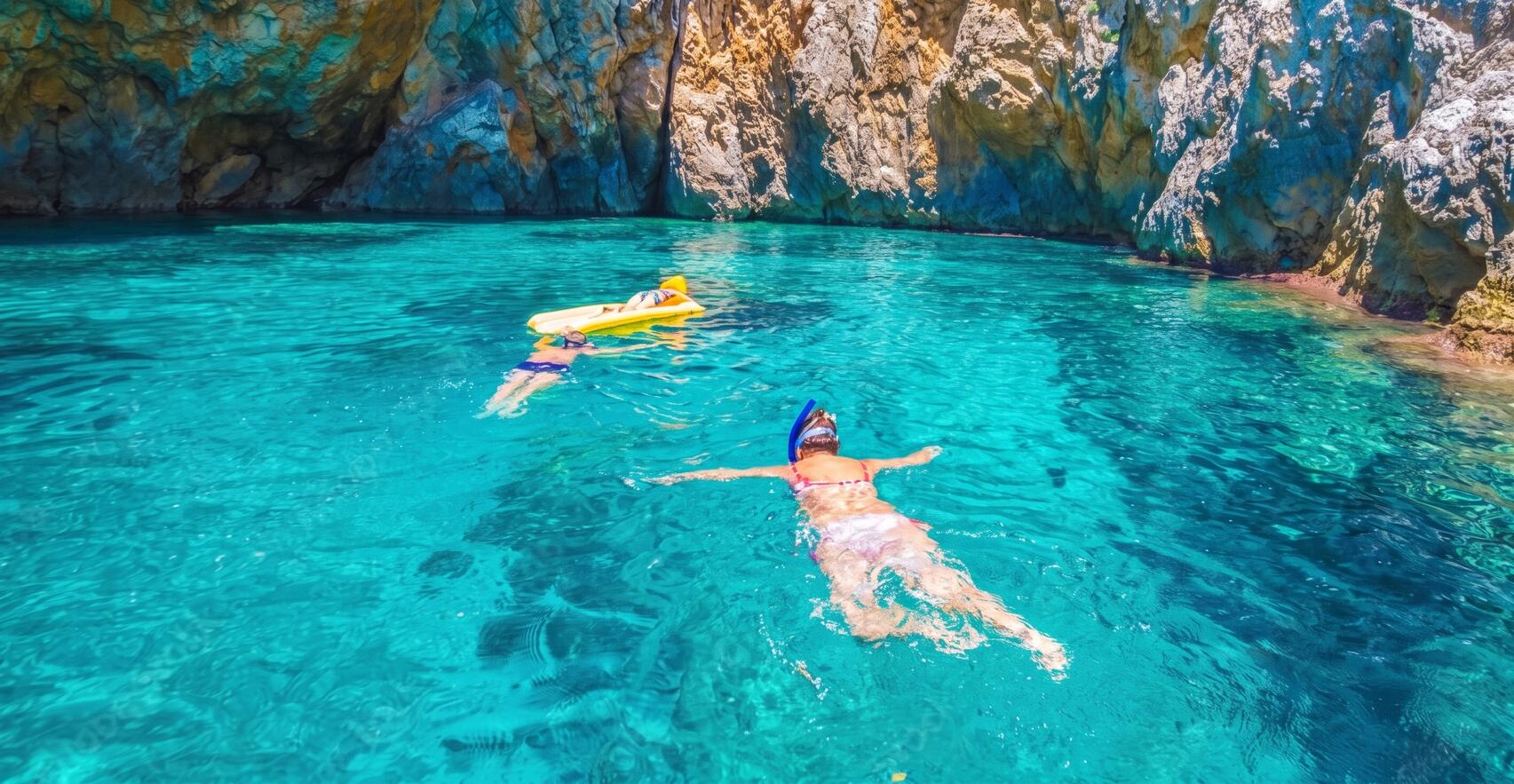
Further north, Paleokastritsa is not a single beach but a series of small bays separated by rocky headlands, with clear turquoise water ideal for swimming and snorkelling. Myrtiotissa, below a steep hillside, is often described as one of the most beautiful beaches in Greece. Access is by a long path or by boat, and it is a quieter, more natural setting where visitors should bring their own water and supplies. South of Glyfada, Agios Gordios offers a long sandy beach beneath a high rocky cliff, with a relaxed village atmosphere behind it.
The North Coast: Sidari and the Sandstone Coves
The north coast is known for its sandstone formations, shaped by wind and water into sculpted cliffs and narrow channels. Sidari is the main resort here, and its best known feature is the Canal d’Amour, a set of carved rock passages where visitors swim between the cliffs. The main beach at Sidari is sandy and shallow, which makes it a reliable choice for families with young children.
Along the same stretch, Agios Stefanos and Arillas offer a calmer alternative. Arillas in particular has a long, gently shelving sandy beach with a village behind it, and it has retained a quieter character than some of the larger resorts. Boat trips from this side of the island often visit the small islets and sea caves along the coast, and they provide a different view of the cliffs that are so impressive from the water.
The East Coast: Pebble Bays Facing the Mainland
The east coast is generally greener and more sheltered, with beaches that are mostly pebble or fine shingle and with exceptionally clear, calm water. Barbati is a favourite for its pebbles, its steep wooded backdrop and its relaxed beach cafes. Kalami and Nissaki are smaller and more picturesque, with traditional harbour-side tavernas, and Kalami is associated with the writer Lawrence Durrell, who lived there in the 1930s.
In the far northeast, Kassiopi combines a working harbour village with several small pebble coves within walking distance. Dassia and Ipsos, closer to Corfu Town, offer long, sheltered beaches with a full range of services. The water on this side is usually calmer than on the west coast, which makes it well suited to swimming, paddle boarding and kayaking, and the views across to the mountains of Albania add a memorable backdrop to the day.
The South: Long Sands and Quiet Lagoons
The south of the island has some of its longest and least crowded stretches of sand. Agios Georgios Argyradon on the southwest coast is a wide, open beach with room for everyone, and it often attracts visitors who prefer space to organised activities. Issos Beach, further south, is backed by dunes and is popular with windsurfers and kitesurfers because of its steady winds, while Halikounas is a long sandy beach beside the Korission lagoon, a protected wetland that supports a variety of bird life.
These southern beaches are generally less developed than those further north, and they reward visitors who are willing to travel a little farther. The landscape here is flatter and more open, with dunes, lagoons and wide skies, and it provides a very different experience from the cliffs of the west or the wooded coves of the east.
Beach Bars, Water Sports and Family Facilities
Corfu’s busier beaches are well equipped for visitors who want more than a swim. Glyfada, Sidari, Dassia and Ipsos offer sunbeds, umbrellas, showers and beach bars, and many provide water sports such as paddle boarding, jet skiing, parasailing and banana boat rides. Kayaks and pedal boats can be rented on the calmer beaches, and several operators run snorkelling and introductory diving sessions for beginners, usually in small groups with instruction. Prices vary by beach and by season, so it is sensible to compare options before you book.
Families will find that the east coast and the shallow bays of the north are the easiest for young children, with a gentle entry into the water and lifeguards on some of the larger beaches. Many beach bars serve light meals, fresh juices and Greek coffee, and some host relaxed sunset gatherings with music in the evening. Visitors who prefer quiet can usually walk a few hundred metres from the main facilities to find a more peaceful stretch. Whichever beach you choose, respect the natural environment by taking your rubbish with you, avoiding the dunes and keeping a safe distance from any marked turtle nesting areas on the southern beaches.
Planning Your Beach Days in Corfu
A little planning makes the most of the coastline. The wind tends to be stronger on the west coast in the afternoon, so mornings are often calmer there, while the east coast remains sheltered for most of the day. Many of the smaller coves have limited parking and few facilities, so it is sensible to arrive early in summer and to carry water and sun protection. The sea is warmest from late June through September, and May and October can be pleasant for quieter visits.
Many guests choose to explore several beaches during a stay rather than to settle on one. Kapella Apartments, with its garden for relaxed evenings after a day at the sea, makes a comfortable base for this approach, since the emphasis is on discovering the coastline itself. Whichever bays you choose, a day or two on a boat is the best way to see the island’s finest beaches from the water.