One of the first questions visitors ask when planning a holiday is how many days in Corfu are enough. The answer depends on what you want from the trip, because the island is larger and more varied than it looks on the map. It stretches about sixty kilometres from north to south, with a historic capital, long beaches, mountain villages, medieval castles and sea routes to neighbouring islands. A short visit can cover the highlights, while a longer one allows time to explore and to rest. This guide offers three sample itineraries for three, five and seven days, together with advice on pacing and on choosing a base.
How Many Days in Corfu: Three Days for the Essentials
With three days it is best to concentrate on the great classics. Spend the first day in Corfu Town, walking through the Spianada and the Liston, climbing the Old Fortress and losing yourself in the Campiello lanes before dinner in a taverna. The second day belongs to the west coast, where Paleokastritsa offers swimming, a boat trip to the sea caves and the monastery above the bay, with Angelokastro and the viewpoint at Lakones close by for a late afternoon.
The third day can combine the Achilleion Palace and the gardens at Gastouri with the Kanoni peninsula, where the view of Vlacherna Monastery and Mouse Island is one of the best known in Greece. Visitors with a particular interest in beaches may prefer to replace this day with an unhurried morning at Glyfada or Pelekas. Three days give a real taste of Corfu, although they leave little time for the quieter corners that many people come to appreciate most.
Five Days: Adding the North and the Villages
Five days allow the same three highlights plus a day in the north. The drive to Old Perithia at the foot of Mount Pantokrator is a rewarding excursion, combining the abandoned stone village, a taverna lunch and the road to the summit for views across to Albania. The coast beyond, with Kassiopi, Kalami and Barbati, is perfect for an afternoon swim and a coffee beside the harbour.
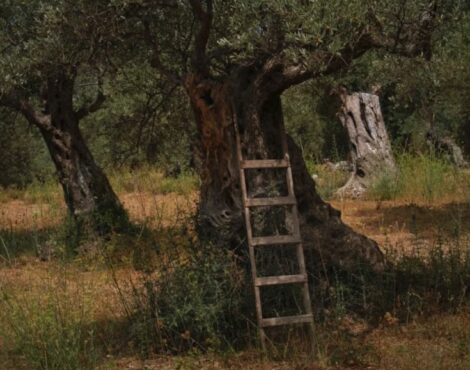
A fifth day can be a slower one, devoted to the villages of the interior, such as Sinarades, Doukades or Pelekas, or to a half day of walking among the olive groves. It also provides a buffer for rainy weather or for a lazy morning at the beach. Five days is a comfortable length for most first time visitors, since it balances sightseeing with the relaxation that a holiday is meant to bring, and it avoids the sense of rushing from one place to the next.
Seven Days: A Fuller Picture of the Island
A week allows the island to be seen in depth. In addition to the town, the west coast and the north, you can add a boat day, either a cruise along the coast or a trip to Paxos and Antipaxos, and an excursion to the south. The south is flatter and quieter, with the long beaches of Agios Georgios Argyradon, the dunes at Issos and the protected Korission Lagoon, which is a haven for birds.
The northwest offers another full day, with the sandstone cliffs of Sidari, the sunset at Peroulades and the hilltop village of Afionas. A week also leaves room for a morning at a market, an afternoon in a museum and time simply to sit in the garden or on the terrace with a book. Visitors who stay a week often find that the island unfolds gradually, revealing a character that a rushed visit cannot capture.
Adding a Day on the Water
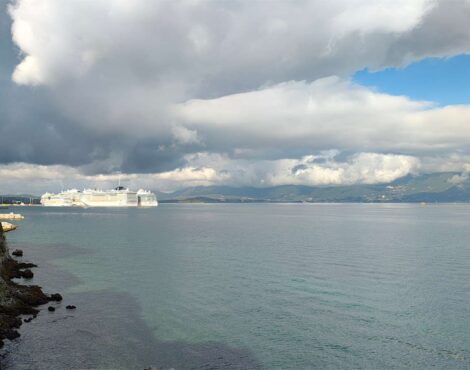
A day at sea is one of the best additions to any itinerary longer than three days. Cruises along the coast visit sea caves and hidden coves that cannot be reached by road, while the longer trips to Paxos and Antipaxos offer pretty harbours, clear water and a taste of the smaller Ionian islands. Many operators leave from Corfu Town or from Paleokastritsa and include swimming stops and lunch, so little planning is needed beyond choosing a calm day.
Those with a taste for something different may enjoy a day trip to Saranda and the ancient site of Butrint in Albania, which requires a passport and an early start. These excursions take a full day, so it is best to schedule them in the middle of a stay rather than on the day of arrival or departure. A boat day also provides a natural rest from driving, and many visitors find it the most relaxing day of the week.
Travelling Without a Car
Visitors who do not drive can still see a great deal of Corfu. Corfu Town is easily explored on foot, and local buses connect it with the main beaches and villages, including Paleokastritsa, Glyfada, Dassia and Ipsos. Taxis are widely available and fares are moderate for short journeys, and organised excursions by coach or boat cover the principal sights without the need to find parking or read maps.
With public transport the pace is slower, so itineraries should be simpler, with one destination a day and time built in for waiting. Three to five days is usually the most comfortable length for a stay without a car, based in the town or in a resort with good bus connections. Those who want to explore more freely can hire a car for just one or two days, which is often a good compromise between cost and convenience.
Planning for Weather and Season
The best time of year for a longer itinerary is from May to June and from September to early October, when the weather is warm, the sea is pleasant and the crowds are manageable. In July and August the heat is considerable, so it is wise to schedule sightseeing for the morning and to keep afternoons for the beach or a rest. In spring and autumn a rainy day can be turned to advantage with a museum, a long lunch or a visit to an olive mill.
Whatever the season, it helps to build a little slack into the plan. A day without fixed commitments gives you the chance to repeat a favourite place, to follow a recommendation from a local or simply to rest. The most satisfying holidays are rarely those in which every hour is accounted for, and Corfu is an island that rewards curiosity and unhurried exploration as much as it rewards careful planning.
Pacing Your Days and Choosing a Base
Distances in Corfu are modest, but the roads are winding and traffic can be slow in summer. Corfu Town to Paleokastritsa takes about forty minutes by car, to Kassiopi around an hour and to the far south more than an hour. It is wise to plan one main outing a day and to leave the evenings free, avoiding long drives in the heat of the afternoon. Starting early gives you the best light and the most space at popular places.
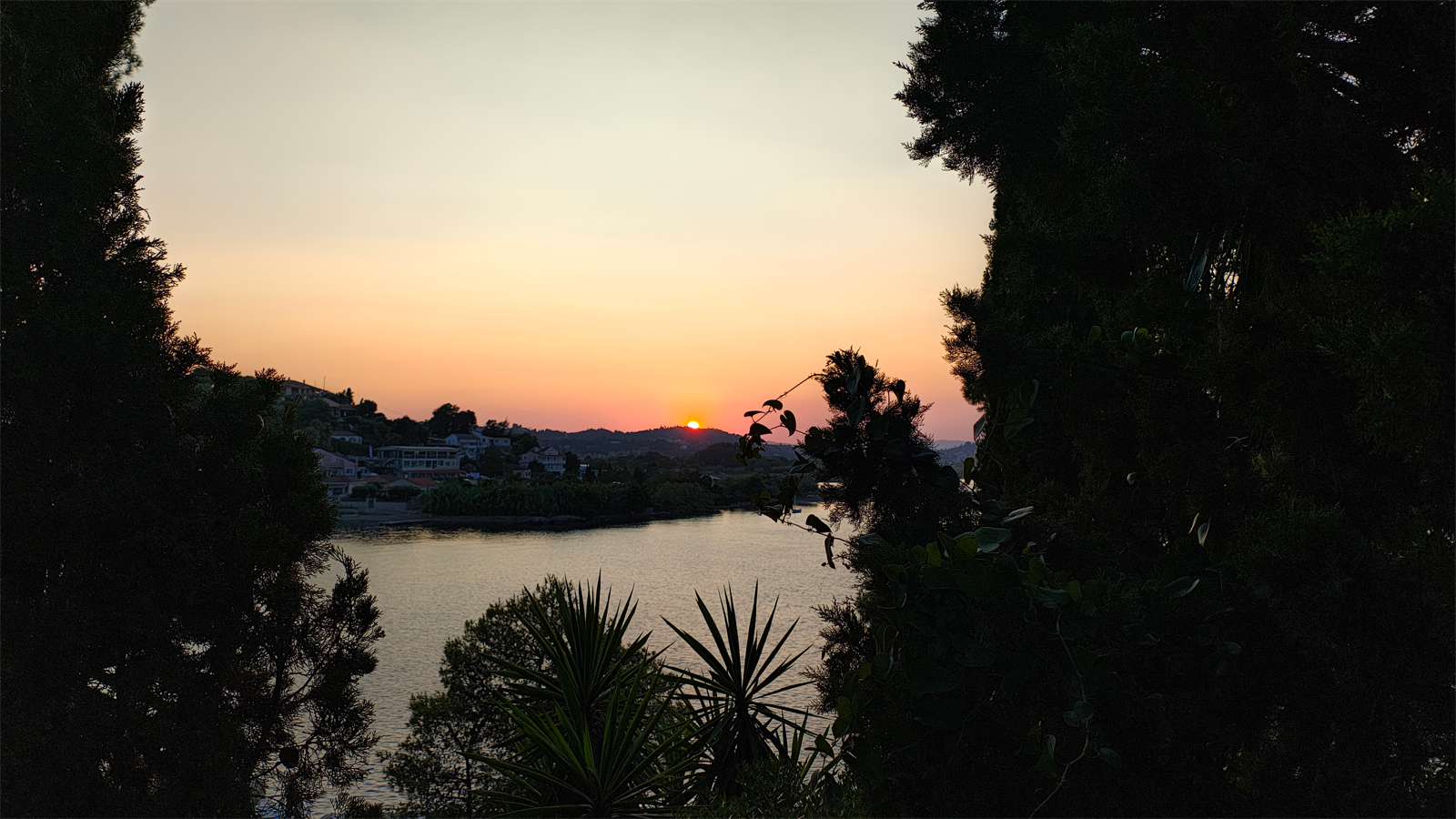
A central base on the west side of the island shortens many journeys, since the beaches, the town and the interior villages are all within reach. Kapella Apartments in Vatos is well placed for this kind of stay and welcomes guests from May to October, allowing visitors to return each evening to a quiet garden after a full day of sightseeing. Whichever length of stay you choose, a flexible plan and a little time to wander will make the holiday more rewarding.
Frequently Asked Questions
How many days do you need in Corfu?
Three days cover the main highlights, five days allow a visit to the north and the villages, and seven days give a fuller picture, including a boat trip and the quieter south.
Is three days enough for Corfu?
Three days is enough for a good introduction, covering Corfu Town, the west coast and the Achilleion area. It leaves little time to explore the north, the south or the interior villages.
What should I see in Corfu in five days?
Add a day in the north to the classic three, with Old Perithia, Mount Pantokrator and the coast around Kassiopi, and keep one day for villages or a relaxed beach visit.
How long does it take to drive across Corfu?
The island is about sixty kilometres from north to south. Corfu Town to Paleokastritsa takes about forty minutes, to Kassiopi around an hour and to the far south more than an hour.
Where is the best place to base yourself in Corfu?
A central base on the west side gives easy access to the town, the beaches and the villages. Many visitors choose the area around Pelekas, Glyfada and Vatos for this reason.