
Corfu’s Citrus Harvest: Kumquat, Orange and Lemon Season Traditions
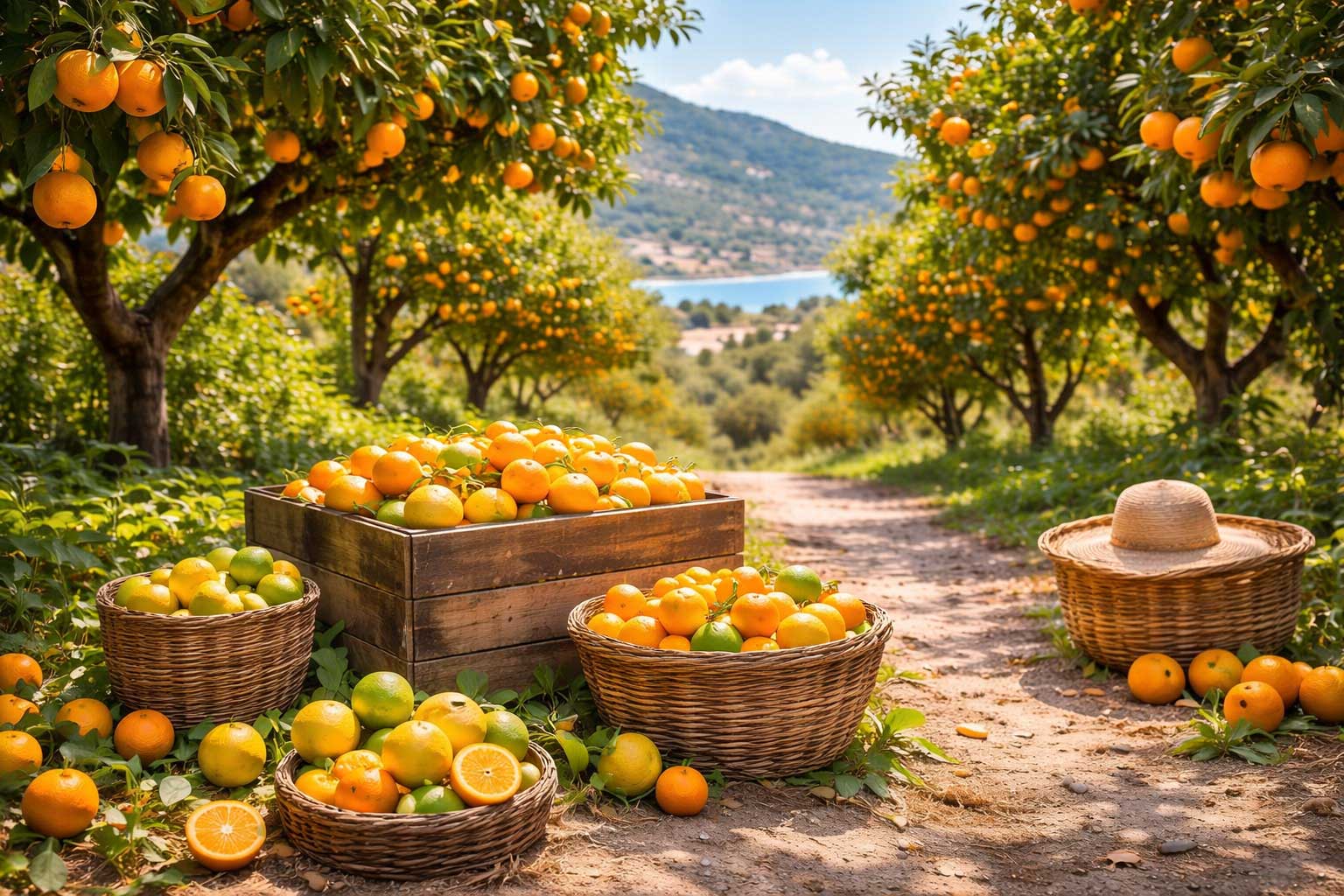
March sunlight filters through citrus groves where golden fruit hangs heavy on branches. The distinctive sweet-sharp fragrance of kumquat, the familiar perfume of oranges, and the clean scent of lemons combine creating olfactory signature of Corfu’s agricultural identity. Citrus cultivation, though less economically dominant than olives, defines island character through unique varieties, traditional processing methods, and products found nowhere else. Understanding citrus harvest season, particularly Corfu’s unique kumquat heritage, reveals agricultural dimension often overlooked by beach-focused tourism yet fundamental to island’s cultural and economic fabric.
Kumquat: Corfu’s Signature Citrus
Kumquat arrived in Corfu remarkably recently considering its central role in island identity. Sidney Merlin, British agronomist, introduced the fruit from China in 1924. The small oval citrus, eaten whole including sweet peel and tart flesh, found ideal growing conditions in Corfu’s climate and soil.
The genus Fortunella, distinct from true citrus despite similar appearance and culinary uses, produces fruit smaller than typical citrus. Trees, compact and ornamental, tolerate cooler temperatures than oranges or lemons while producing abundantly when properly cultivated. These characteristics suited Corfu perfectly.
Commercial cultivation expanded rapidly as processors developed kumquat liqueur and preserves. These products, uniquely Corfiot, created market niche unavailable to competitors. The island achieved near monopoly on Greek kumquat production, this agricultural specialization becoming point of pride and economic importance.
Harvest occurs January through March with February representing peak period. Workers hand-pick fruit carefully avoiding bruising. Quality matters immensely as damaged fruit unsuitable for premium products. Traditional basket collection continues despite mechanization possibilities, maintaining employment while ensuring gentleness.
Processing transforms fresh kumquats into various products. Kumquat liqueur, intensely aromatic and distinctively flavored, represents most famous product. The production involves macerating fruit in alcohol, adding sugar syrup, and aging allowing flavors mellowing and harmonizing. Each producer guards exact recipes as proprietary secrets.
Preserved kumquats, fruit candied in thick syrup, provide traditional spoon sweet served to guests. These intensely sweet confections, eaten from small spoons with coffee, represent hospitality ritual. The preservation process requires skill preventing fruit becoming too soft or syrup crystallizing.
Kumquat marmalade, combining fruit’s sweet peel and tart flesh, creates spread balancing sweetness and acidity. This product, less famous than liqueur but equally delicious, demonstrates versatility of this adaptable fruit.
Fresh kumquats, though less commonly consumed than processed products, offer unique eating experience. The entire fruit eaten together provides flavor complexity impossible when separating components. Some enjoy them plain while others candy them lightly or use in cooking.
Orange Groves and Traditional Cultivation
Orange cultivation in Corfu predates kumquat by centuries, though never achieving the commercial dominance found in Spain or California. Traditional varieties, adapted across generations, produce fruit particularly suited to fresh consumption and juice.
Varieties grown include both sweet oranges for eating fresh and bitter oranges traditionally used in marmalades and liqueurs. The diversity, though economically inefficient compared to monoculture, maintains genetic variation and traditional knowledge about different types’ characteristics and uses.
Grove management follows traditional extensive practices rather than intensive modern agriculture. Trees spaced generously, minimal chemical inputs, and hand harvesting characterize Corfiot orange cultivation. This approach, though producing lower yields than industrial methods, maintains environmental quality and fruit character.
Harvest timing varies by variety and intended use. Sweet oranges picked when fully ripe maximize sweetness and flavor. Those destined for juice may be harvested earlier. Bitter oranges collected when color develops regardless of exact ripeness as they’re processed rather than eaten fresh.
Traditional uses for oranges extend beyond fresh consumption. Orange blossom water, distilled from flowers, flavors sweets and provides aromatic element in traditional cuisine. The blossoms’ intoxicating scent in spring represents sensory pleasure beyond practical uses.
Orange peel, both fresh and dried, seasons dishes and appears in traditional sweets. The aromatic oils concentrated in peel provide intense flavor requiring only small quantities. Candied orange peel, labor-intensive to produce, represents special treat.
Marmalade production from bitter oranges maintains traditional preserve-making skills. The process, requiring careful balance of fruit, sugar, and cooking time, produces spread combining sweetness with characteristic bitter note. Family recipes, passed through generations, create variations distinguishing one household’s marmalade from another’s.
Lemon Cultivation and Multiple Harvests
Lemons produce nearly year-round in Corfu’s mild climate though winter and spring represent peak periods. This extended production season provides fresh fruit across most of the year unlike single-harvest crops.
Corfu lemons, particularly aromatic with high juice content and intense flavor, excel in culinary applications. The balance between acidity, sweetness, and aromatic oils creates lemons valued by cooks and appreciated in markets.
Traditional cultivation similar to oranges emphasizes quality over quantity. The trees, often grown alongside other fruits in mixed plantings, receive minimal chemical treatments. This extensive management produces fruit with exceptional flavor though potentially blemished appearance.
Lemon uses in Greek cuisine extend far beyond simple flavoring. Avgolomono sauce, combining eggs and lemon, enriches soups and stews. Lemon juice and olive oil dress salads, vegetables, and seafood. Preserved lemons appear in some traditional preparations though less central than in North African cuisines.
Medicinal and household uses for lemons continue traditional practices. Lemon juice with honey treats colds and sore throats. Lemon peel steeped as tea aids digestion. The fruit’s acidity serves cleaning purposes. These folk uses, though perhaps less common than previous generations, maintain cultural knowledge.
Lemon festivals, though informal compared to major agricultural celebrations, mark harvest peaks in some villages. These small gatherings, combining produce sales with social events, maintain community connections to agricultural cycles.
Citrus in Local Cuisine and Culture
Citrus fruits pervade Corfiot cuisine creating flavor profiles distinctive from mainland Greek cooking. The abundance and variety enable uses ranging from subtle background notes to dominant flavors.
Seafood preparations rely heavily on lemon, the acidity complementing fish and shellfish perfectly. Traditional fish preparations, simple yet sublime, often involve only fresh fish, olive oil, lemon, and herbs. This minimalism showcases ingredients’ quality rather than masking them with complex sauces.
Kumquat liqueur serves as digestif following meals or aperitif before dining. The sweet-tart flavor and aromatic intensity provide palate stimulation without heaviness. Serving kumquat liqueur to guests demonstrates hospitality and showcases local specialty.
Sweets and desserts frequently incorporate citrus. Lemon provides freshness cutting richness in honey-drenched pastries. Orange blossom water perfumes syrups and creams. Candied kumquats garnish desserts while providing intense flavor bursts.
Preserves and spoon sweets from all three citrus types appear on hospitality trays. These traditional confections, served with coffee and cold water, demonstrate household skills and welcome guests. The variety offered reflects pride in traditional food preparation abilities.
Modern fusion cuisine in Corfu increasingly features kumquat in innovative ways. Chefs incorporate the fruit into savory dishes, create unexpected flavor combinations, and reinterpret traditional recipes. This culinary evolution maintains relevance for traditional product while demonstrating versatility.
Economic and Agricultural Significance
Citrus cultivation, while not matching olive oil’s economic importance, contributes significantly to agricultural diversity and rural livelihoods. The combination of fresh fruit sales and value-added processing creates income streams supporting small-scale farmers.
Kumquat processing facilities provide employment beyond agricultural labor. Production workers, quality control specialists, bottling and packaging staff, and sales personnel create jobs throughout the year rather than only during harvest. This employment stability benefits rural communities.
Tourism linkages through kumquat products generate additional income. Visitors purchasing liqueur, preserves, and fresh fruit inject money into local economy while taking home authentic souvenirs. This tourism-agriculture connection provides mutual benefits.
Agritourism opportunities including grove visits, processing demonstrations, and product tastings create experiences increasingly valued by tourists seeking authentic encounters beyond standard sightseeing. These visits, providing income while educating visitors, represent sustainable tourism model.
Export potential for kumquat products creates markets beyond Corfu and Greece. The unique nature and quality enable premium pricing in international markets. Expanding exports could significantly increase economic returns though requires maintaining quality standards and developing distribution networks.
Challenges facing citrus producers include aging farmer populations, competition from imports, climate change impacts, and economic pressures favoring development over agriculture. Addressing these challenges requires supporting young farmers, promoting local products, and recognizing agriculture’s cultural value beyond economics.
Experiencing Citrus Harvest as Visitor
March visitors can engage with citrus culture through various accessible experiences requiring minimal planning while providing authentic agricultural encounters.
Market shopping for fresh citrus connects to agricultural production directly. Purchasing from vendors, asking about varieties, and learning selection tips provides practical knowledge while supporting small-scale sellers. The sensory experience of choosing fruit, smelling and handling them, engages more fully than supermarket purchases.
Producer visits at kumquat facilities offer tours explaining cultivation, harvest, and processing. These educational experiences, often including tastings, demonstrate agricultural reality behind bottles seen in shops. Some producers welcome visitors casually while others require appointments.
Cooking classes incorporating citrus teach traditional and contemporary uses. Learning to make avgolomono, prepare fish with lemon, or create citrus desserts provides skills replicable at home while appreciating ingredients’ roles in cuisine.
Product tastings at specialized shops compare different producers’ kumquat liqueurs, preserves, and other citrus products. These comparative experiences educate palates while helping select purchases matching personal preferences.
Grove walks, when access permitted, provide peaceful agricultural landscapes appreciation. Walking among fruit-laden trees, inhaling blossom fragrance, and observing traditional cultivation creates sensory experiences and connections to land and agriculture.
Photography opportunities abound during harvest season. Fruit on trees, harvest baskets, processing facilities, and products create compelling subjects. These images, both beautiful and documentary, capture agricultural dimension often missing from typical vacation photos.
Corfu’s citrus harvest represents living agricultural tradition adapting historical practices to contemporary realities while maintaining distinctive character. The kumquat’s unique status, oranges’ traditional importance, and lemons’ culinary centrality combine creating citrus culture defining island identity as much as any architectural monument or beach. March visitors witnessing harvest season discover Corfu functioning as working agricultural landscape rather than purely tourist destination, appreciating that behind every bottle of kumquat liqueur lies generations of cultivation knowledge, careful harvest labor, and processing skill maintaining traditions while creating products impossible to replicate elsewhere, making these citrus treasures genuinely and irreplaceably Corfiot.