For many residents of Corfu, the olive harvest is the real turning of the year. From November the island’s groves, which cover roughly a third of its surface, fill with families, nets, ladders and the hum of small machines, and the villages smell of crushed olives and wood smoke. The harvest is hard work rather than a performance for visitors, yet it offers travellers a rare chance to see the foundation of the island’s economy and cuisine in action. This guide explains how the olive harvest in Corfu works, how to see it respectfully and how to taste and buy the fresh oil that results.
A Landscape Shaped by Olives
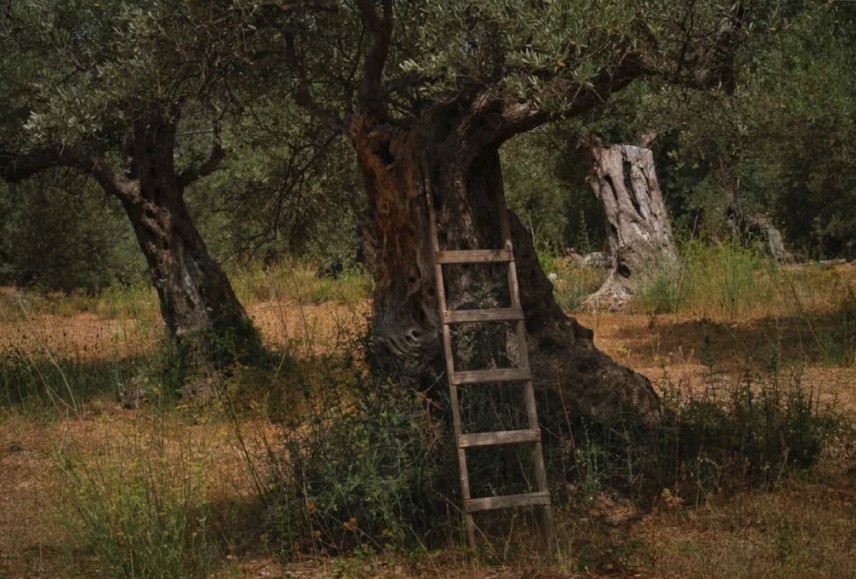
There are an estimated four million olive trees on Corfu, many of them tall, silvery and several centuries old. The great expansion of planting began under Venetian rule, when farmers were paid for every tree they established, and the result is the olive dominated countryside that visitors see today. The dominant variety is Lianolia, a tree that is allowed to grow tall and whose fruit is harvested late, giving oil with a mild flavour and a high polyphenol content.
Because the trees are so large, the groves have a cathedral like quality, with light filtering through the leaves and the ground often covered in grass and wildflowers. The terrain is a patchwork of family plots, each with its own history and its own traditions of care. Understanding this background helps visitors appreciate that the oil on their table is the product of generations of work, rather than a simple agricultural commodity.
How the Olive Harvest in Corfu Works
The harvest usually begins in November and continues through the winter, depending on the weather and the ripeness of the fruit. In Corfu it is traditional to let olives fall naturally and to collect them from nets spread beneath the trees, although many growers also use poles, hand rakes and small electric combs to bring down the fruit. Families often work together, with neighbours helping neighbours, and the sound of conversation and laughter carries across the groves.
The fruit is gathered in sacks or crates and taken to a mill, ideally on the same day, since oil quality falls quickly if olives are left to wait. The days are shortened by the season, so work begins early and ends at dusk. Visitors who see the nets laid out beneath the trees can be confident that they are watching a tradition that has changed remarkably little over the years.
Visiting an Olive Mill
Modern mills on the island use cold extraction, in which the olives are washed, crushed and separated at a low temperature to preserve flavour. The process is fascinating to watch, with the green paste of crushed fruit moving through the machines and the first cloudy oil emerging from the spout. The aroma of fresh oil is unforgettable, grassy and fruity with a hint of pepper.
Some mills welcome visitors during the season, and a few offer tastings and sales of their own production. It is polite to ask permission and to check opening hours, since the mills are busy at harvest time and work comes first. Visitors should avoid walking into private groves without an invitation, as the land is working property, but the roads and paths around the villages offer good views and opportunities for respectful photographs.
Tasting and Buying Fresh Oil
Freshly pressed oil has a character that bottled oil seldom matches. It is often cloudy, bright green and distinctly peppery, with a tickle in the throat that experts regard as a sign of quality. The simplest way to taste it is with fresh bread, a pinch of salt and perhaps a ripe tomato, letting the flavour speak for itself. A good oil should smell of grass, fruit or herbs and should never smell stale or greasy.
When buying oil, look for a harvest date on the label, choose dark glass bottles or tins that protect the oil from light and consider smaller producers who sell directly from their homes. Prices vary with the season and the quality, and a good bottle makes an excellent gift. Many visitors also buy olive wood spoons, handmade soaps and jars of cured olives, which pack easily and recall the island long after the trip has ended.
Seasonal Foods That Arrive with the Harvest
The olive harvest coincides with a number of other autumn pleasures. Mushrooms and wild greens appear in the markets and on tavern menus, chestnuts are roasted on street corners in the town and the first mandarins and kumquats ripen in the gardens. The new oil, poured over salads, beans and grilled vegetables, gives these simple dishes a freshness that makes the season special, and village tavernas often serve it with bread and olives as soon as it is available.
It is also the season of the olive itself. Corfiot households cure their own olives in brine, with garlic, lemon and herbs, and the result is a world away from the jarred fruit sold abroad. Visitors who ask politely may be offered a taste at a village kafeneio or shop. These small encounters, over a coffee or a glass of local wine, are often the most memorable part of an autumn visit to the island.
Practical Tips for Visiting in November
The weather in November is changeable, so waterproof shoes and a light rain jacket are useful when walking through the groves, where the ground can be wet and muddy. Early morning is the best time to see work in progress, although it is wise to keep a respectful distance and to ask before photographing people. Remember that the harvest is a livelihood, not an attraction, and that roads and village streets can be busy with tractors, vans and pickups.
Visitors who want a closer experience should look for guided olive tours and tastings arranged by local producers and agritourism hosts, many of which can be booked in advance. A visit to a mill can easily be combined with a lunch in a village taverna and an afternoon walk, making a full day of rural Corfu. The harvest runs for several months, so there is no need to rush, and each visit shows a slightly different stage of the process.
Cooking with Corfiot Oil
Olive oil is the foundation of Corfiot cooking, used generously in salads, stews, pies and baked vegetables. It softens the sharpness of sofrito, enriches the sauces of local fish dishes and gives bread a flavour that needs no butter. Meals during the harvest often feature the new oil poured over simple foods, and tavernas take pride in serving it as a first course with bread and olives.
Visitors can bring the experience home by learning a few simple dishes, such as a village salad, baked beans or a plain pasta with oil and garlic, all of which depend on the quality of the oil. Cooking classes on the island sometimes include a visit to a grove or mill. Seeing the harvest in November gives every later meal a deeper meaning, and the oil you taste in a Corfu taverna will never again seem an ordinary ingredient.
Frequently Asked Questions
When is the olive harvest in Corfu?
The olive harvest usually begins in November and continues through the winter. The exact dates depend on the weather, the variety and the ripeness of the fruit.
Can visitors watch the olive harvest in Corfu?
Visitors can see the harvest from roads and paths around the villages, and some mills welcome guests during the season. Always ask permission before entering a grove, as the land is private working property.
How many olive trees are there in Corfu?
There are an estimated four million olive trees on the island, covering roughly a third of its surface. Many are centuries old, and the dominant variety is Lianolia.
What does fresh Corfu olive oil taste like?
Fresh oil is often cloudy and bright green, with a grassy, fruity aroma and a peppery finish. It is best enjoyed simply on fresh bread with a pinch of salt.
How can I buy good olive oil in Corfu?
Look for a harvest date on the label, choose dark bottles or tins and consider buying directly from small producers or mills, where quality is high and prices are fair.