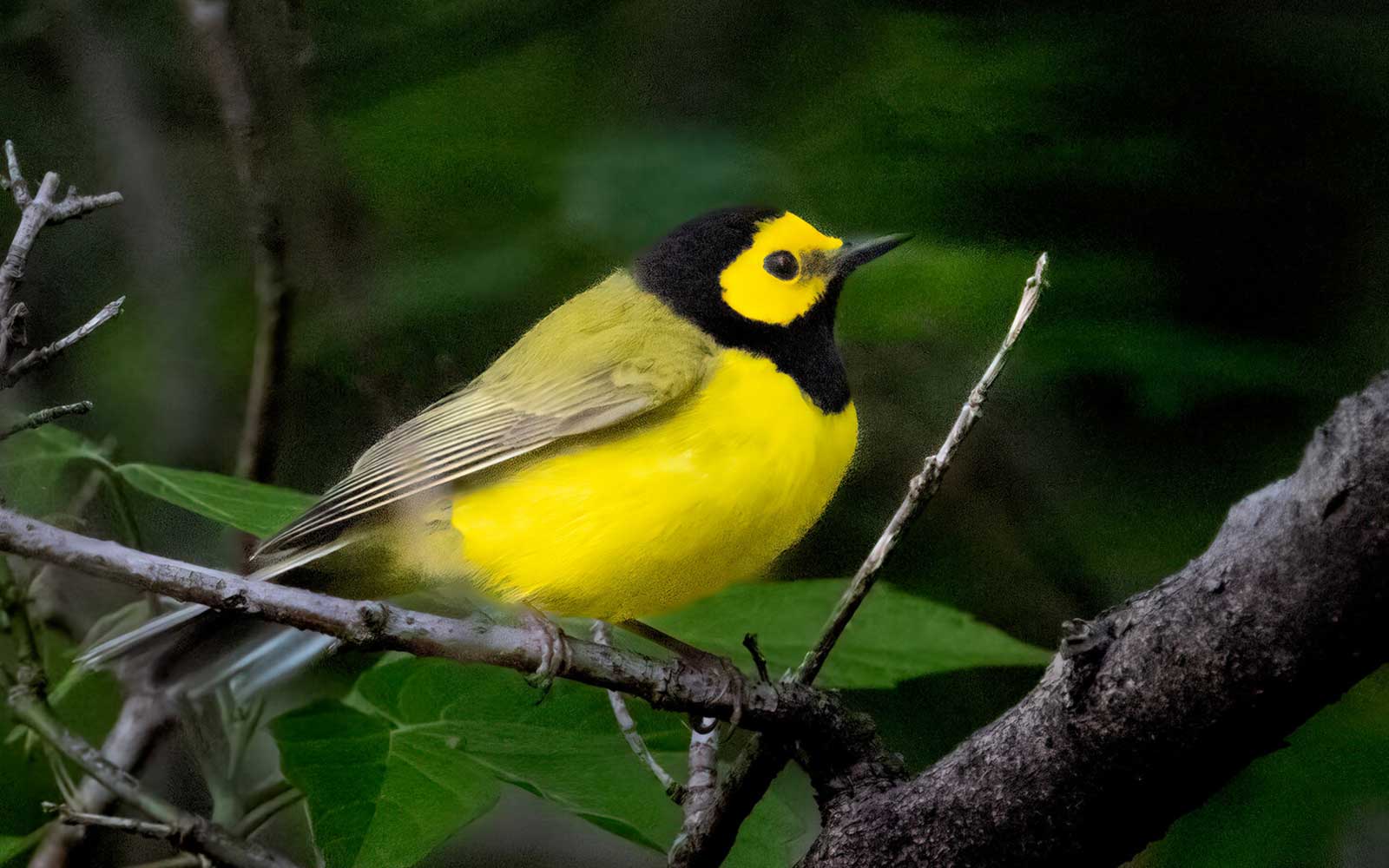
Spring Birdwatching in April: Migration Season Peaks Over Corfu
Every April, the skies above Corfu fill with travellers. They arrive from sub-Saharan Africa and the Mediterranean basin, from wintering grounds in the Sahel and the wetlands of West Africa, following ancient routes that predate human settlement on the island by millions of years. They cross the sea in their millions, small birds and large, raptors and waders and woodland species, all moving north on the same broad seasonal impulse, all finding in Corfu’s varied habitats a place to rest, feed, and recover before continuing their journey.
For the birdwatcher, April in Corfu is one of the most rewarding experiences the European calendar offers. For the casual nature lover, it is simply a month when the island feels extraordinarily alive, when every olive grove seems to be singing, and when the particular pleasure of noticing the natural world at its most dynamic becomes available to anyone willing to stop and look.
The Geography of Migration
Corfu’s position in the northeastern Ionian Sea makes it a natural staging post on one of the main migration flyways connecting Africa to northern and eastern Europe. Birds crossing the Mediterranean from their African wintering grounds follow the line of least resistance, using islands and coastal promontories as stepping stones across the water. Corfu, large enough to offer substantial habitat and strategically placed at the point where the Adriatic and Ionian seas meet, receives an exceptional proportion of this migration traffic.
The variety of habitats that Corfu compresses into its relatively modest area adds further to its value as a migration stop. Wetlands, agricultural land, scrub, deciduous and olive woodland, rocky coastline, mountain forest, and freshwater marsh all exist within easy reach of each other, creating conditions that suit an unusually wide range of species. A single day of birdwatching in April, moving between the Ropa Valley, the coast, and the lower mountain slopes, can produce an extraordinary species list.
The Ropa Valley: Corfu’s Birdwatching Heart
The Ropa Valley, occupying a broad agricultural plain in the centre of the island, is the single most productive birdwatching location on Corfu and one of the finest in the entire Ionian region. The combination of the Ropa river system, the surrounding wetland margins, extensive olive groves, open farmland, and areas of reed bed and scrub creates a mosaic of habitats that in April supports an almost overwhelming variety of species.
Arriving at the Ropa Valley at dawn in April, the first impression is auditory. The valley is full of sound: the liquid phrases of nightingales from the dense scrub along the river margins, the sharp calls of various warbler species staking out territories in the reeds, the distant bugling of marsh frogs providing a continuous bass note beneath the birdsong. Before a single bird has been seen, the richness of the moment is already apparent.
The river margins and wetland areas support herons and egrets, including the striking purple heron that breeds in the Ropa’s reed beds. Kingfishers are present throughout the year but particularly conspicuous in April as resident birds begin nesting activity. Marsh harriers quarter the reed beds in the characteristic slow flight that makes them one of the most easily identified raptors on the island. Little egrets, grey herons, and night herons can be found at any point along the waterway.
The open farmland of the valley floor attracts a different community. Hoopoes, those extraordinary birds whose salmon pink and black barred plumage makes them look as if they were designed for a different, more extravagant world, are common throughout the valley in April. Bee eaters, their colours almost impossibly vivid against the spring sky, move through in small groups, their liquid calls announcing their presence before they are seen. Rollers, equally colourful and equally improbable-seeming, perch on wires and fence posts with an almost theatrical confidence.
Lake Korission and the Southern Wetlands
In the south of Corfu, the lagoon of Lake Korission represents a different birdwatching environment from the Ropa Valley but one of equal richness in April. The lagoon is separated from the sea by a narrow dune system and backed by a mixture of scrub, pine woodland, and open water that provides conditions for an exceptional variety of species.
Waders are the speciality of Korission in April. The shallow margins of the lagoon attract numerous species passing through on migration: little stints, dunlin, sandpipers of several species, and on good days the more unusual and sought after species that turn up unpredictably during peak migration. Flamingos are occasional visitors, their presence transforming the lagoon into a scene of particular improbability. Terns move along the coast and over the lagoon, and ospreys are regular spring visitors.
The dune and scrub habitat between the lagoon and the sea is excellent for smaller migrants in April. Warblers and flycatchers move through in waves during peak migration days, and the bushes can be alive with birds resting after a sea crossing. The combination of the lagoon for waterbirds and the coastal scrub for passerine migrants makes a full morning at Korission one of the finest birdwatching experiences the island offers.
The Olive Groves and Woodland
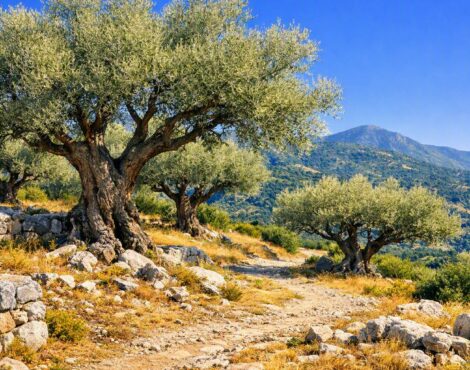
Away from the wetland sites, Corfu’s extensive olive groves and areas of broadleaved woodland provide the third major birdwatching habitat of the April migration. The ancient olive groves that cover so much of the island’s landscape are particularly valuable for migrating woodland birds, offering shade, insects, and the cover that small tired migrants require after a long journey.
Golden orioles, among the most visually spectacular of all European migrants, pass through Corfu in April on their way to breeding grounds further north. The male’s extraordinary combination of deep yellow and black makes it one of the most sought after spring migrants for visiting birdwatchers, though its preference for the upper canopy of tall trees means that the liquid, fluting call is often heard long before the bird is seen. Corfu’s olive groves and broadleaved woodland are among the best places in Greece to encounter this species during migration.
Flycatchers of several species, including the elegant pied flycatcher and the subtly beautiful collared flycatcher, pass through the island’s woodland habitats in April. Various warbler species, nightingales singing from dense scrub, and the occasional more unusual visitor complete a picture of woodland migration that makes a slow walk through any substantial area of Corfiot olive grove in April a genuinely rewarding experience.
Birdwatching and the Villa Kapella Season
The peak of spring migration in Corfu falls squarely in April, slightly ahead of Villa Kapella’s May opening. However, migration continues well into May, and guests arriving at the villa in the early weeks of the season will still encounter excellent birdwatching across the island. The resident breeding birds, including several species of particular interest, are fully active from May onward, and the transition from spring migration to the summer breeding season produces its own distinctive birdlife.
The natural environment surrounding Villa Kapella, with its olive groves, open countryside, and proximity to the varied habitats that make Corfu so exceptional for birds, provides guests with immediate access to this natural richness. Early morning walks from the villa into the surrounding landscape in May and June, when the breeding birds are at their most vocal and active, offer a dimension of the Corfu experience that purely beach-focused holidays consistently overlook.