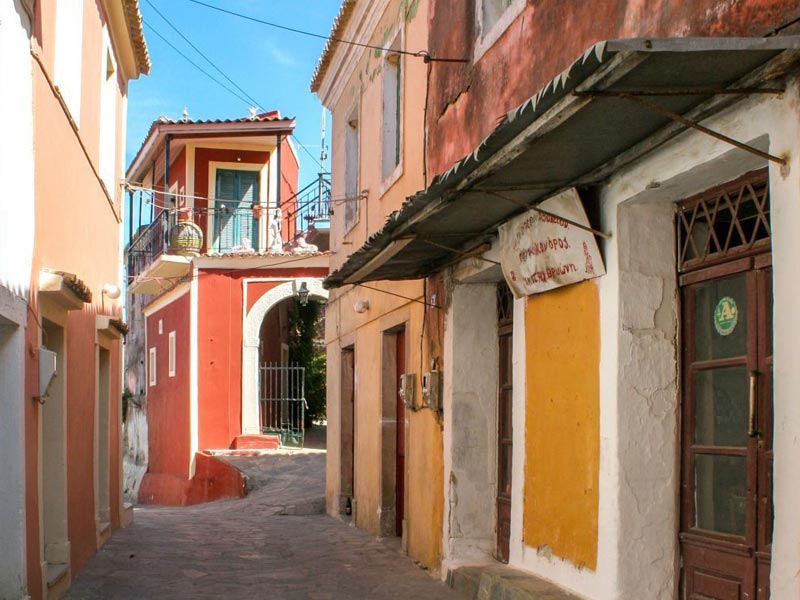
The Villages of South Corfu: Exploring the Island’s Quieter Half
Corfu is longer than it is wide, and the two ends of this elongated island have developed, over the decades of the tourist era, in ways that are now clearly distinct from each other. The northern end, with its dramatic coastline and its concentration of resort infrastructure, receives the majority of the island’s visitors and has shaped its landscape and its culture accordingly. The southern end, flatter and less dramatically scenic, less well served by the coastal road and less immediately photogenic than the northwest’s limestone cliffs and turquoise bays, has attracted fewer visitors and changed less in consequence.
The result is a Corfu that most July visitors never encounter. The villages of the south, going about their agricultural and fishing business with the unhurried confidence of communities whose relationship with the land and the sea predates and will outlast the tourist industry that has transformed so much of the island around them, offer an experience of authentic Corfiot life that the resorts of the north, however pleasant, have ceased to provide.
The Southern Landscape
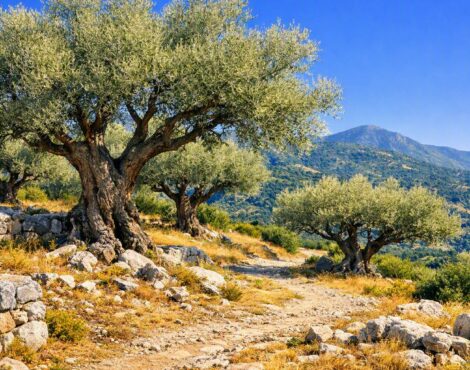
The landscape of south Corfu is dominated by the broad agricultural plain that occupies much of the southern half of the island, its flatness a geological contrast with the hilly interior of the north and the mountain mass of Pantokrator. The plain is covered in the same olive groves that define the Corfiot landscape everywhere, but here at a density and an agricultural intensity that reflects the south’s primary economic function as the food-producing heartland of the island.
The villages of the southern plain sit within this olive landscape with the settled confidence of communities that have been growing food in this ground for a very long time and that expect to continue doing so. The infrastructure of these villages, the olive mills, the agricultural cooperatives, the small markets that serve the local population rather than the tourist, reflects a relationship with the land that the northern resorts have replaced with the infrastructure of hospitality and that the southern villages maintain with an unselfconscious continuity that the visitor from the resort areas of the north finds immediately and sometimes startlingly different.
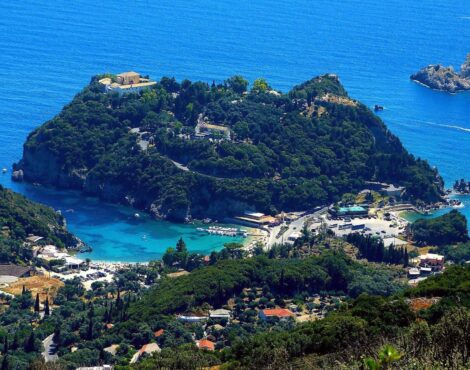
The southern coastline, less dramatic than the northwest cliffs but possessed of its own particular beauty, provides the beach dimension of a south Corfu day with long sandy beaches and the open, slightly more exposed sea conditions of the southwestern Ionian. The beaches of Agios Georgios in the south and the quieter stretches of the southeastern coast combine with the village programme of the interior to produce a day of genuine variety.
Lefkimmi: The Southern Capital
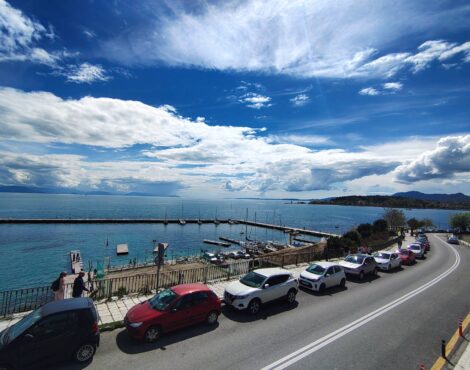
Lefkimmi is the largest settlement in south Corfu and the closest thing the southern half of the island has to an urban centre, its population and its infrastructure sufficient to sustain a genuine small-town life that operates entirely independently of the tourist economy concentrated in the north. The town sits astride the Lefkimmi canal, a waterway that connects the central southern plain to the sea and that gives the town a working harbour character that the resort villages of the north, however attractive, do not possess.
The harbour area of Lefkimmi, where the fishing boats are moored and the quayside tavernas look out across the canal to the boats on the opposite bank, is the most immediately appealing part of the town for the visitor arriving from the holiday infrastructure of the north. The tavernas here serve food whose connection to the fishing boats visible from the table is direct and unmediated, and the atmosphere of a working harbour in a town that has no particular interest in performing itself for visitors is one that the tourist villages of the coast cannot replicate.
The streets of Lefkimmi’s older quarter, behind the harbour and away from the main road that passes through the town, contain the architecture of a southern Corfiot community that has been building and rebuilding in this location for centuries. The churches, the kafeneia, the small shops and workshops that serve the local population, the daily market where the produce of the surrounding agricultural land appears with the freshness that proximity to its source produces: all of these compose a townscape of genuine character that rewards the visitor willing to walk through it slowly and without a specific programme.
Agios Mattheos: The Hill Village
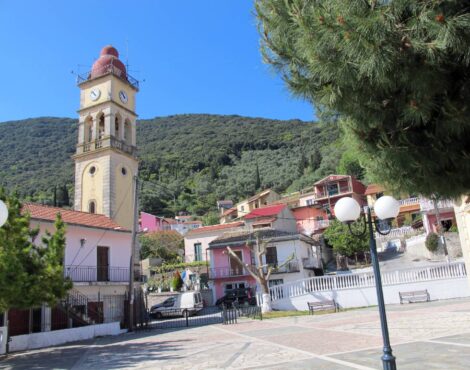
On the slopes of the low hill range that forms the southern edge of the Corfu plain, the village of Agios Mattheos occupies a position that combines agricultural character with the views and the cooler air that any elevation provides over the flatland below. The village is well known among those with knowledge of the south Corfu food scene for the quality of its tavernas, which serve the Corfiot cuisine with a directness and a skill that reflects the village’s distance from the tourist circuit and its corresponding freedom from the compromises that tourist-oriented cooking involves.
The main square of Agios Mattheos, with its kafeneion and its plane trees providing the shade that the July afternoon demands, is the social centre of a village that has maintained its communal life with a continuity that the northern resorts have largely lost. The older men at the kafeneion tables are engaged in the same activity, the same conversation, the same unhurried occupation of a public space that their predecessors engaged in at the same tables a generation ago, and the visitor who takes a coffee at the square kafeneion rather than pressing on to the next destination finds themselves briefly in the company of a living community rather than a tourist attraction.
Lunch at one of the Agios Mattheos tavernas, chosen from the two or three establishments that occupy various positions around the village and that serve food of consistent quality and genuine local character, is the centrepiece of an Agios Mattheos visit and the experience that visitors most consistently identify as the highlight of a south Corfu day. The menus are not long and do not need to be. The sofrito and the grilled lamb and the village salad dressed with oil from the surrounding groves are sufficient, and the quality of each, produced by a kitchen with access to ingredients of genuine provenance and a confidence in its own tradition that no amount of culinary sophistication replaces, is entirely sufficient justification for the drive.
Argyrades and the Agricultural Villages
The village of Argyrades, sitting in the centre of the southern plain amid the olive groves and the cultivated fields that define the agricultural landscape of this part of the island, represents the southern Corfiot village at its most typical and its most genuine. The village has no particular claim to fame, no celebrated landmark or famous food speciality or architectural distinction that draws visitors specifically to it, and this absence of a specific attraction is precisely what makes a visit to Argyrades the most honest encounter with ordinary Corfiot village life that the July visitor can arrange.
The village exists for its own purposes. The olive harvest that occupies the community’s collective attention through the winter months, the cultivation of the vegetable gardens that supply the local population through the summer, the social life of the square and the church and the kafeneion that constitutes the daily fabric of the village’s existence: these are the activities that Argyrades is organised around, and the tourist who passes through in July encounters them as a bystander to a life that continues with complete indifference to the tourist season occurring forty kilometres to the north.
Boukari: The Fishing Village
On the southeastern coast of Corfu, the tiny fishing village of Boukari is known primarily for one thing: the seafood tavernas that line its small waterfront and that serve fish from the local boats with a freshness and a simplicity that has made the village a destination for food-oriented visitors willing to make the drive to the southeastern coast for a lunch that justifies the journey.
Boukari’s single taverna-lined waterfront, facing east across the narrow channel toward the Albanian coast, provides the setting for a seafood lunch that combines the directness of a fishing village restaurant, the fish visible in the boat and on the ice and on the plate in a sequence of no more than hours, with the visual pleasure of a southeastern coast bay in July, the water calm and clear and the Albanian mountains providing the same dramatic backdrop that the northeast coast beaches offer from their more northern positions.
The drive to Boukari from Villa Kapella, through the central Corfu roads and down to the southeastern coast, passes through the agricultural interior of the south in a way that makes the journey itself a south Corfu experience rather than merely the route to the destination. The olive groves of the central plain, the small villages glimpsed from the road, and the gradual approach of the southeastern coast as the road descends toward the water compose a drive of considerable countryside pleasure that the meal at the end of it completes rather than creates independently.
The South Corfu Day from Villa Kapella
A full south Corfu day from Villa Kapella follows a natural structure that the geography of the southern half of the island suggests. A morning start through the central roads toward Agios Mattheos for coffee in the village square, followed by a drive to Lefkimmi and the harbour area before the midday heat peaks, then lunch at Boukari on the southeastern coast followed by an afternoon at one of the south coast beaches before the return through the interior in the cooler late afternoon: this is a day that covers the essential variety of the south Corfu experience without rushing through any of it.
The south Corfu day returns the Villa Kapella guest to the island’s more ordinary and more enduring face, the agricultural and fishing community that has existed here through all of the various administrations and tourist booms and cultural transformations that the island has undergone, and that continues, in July 2026 as in every July before it, to grow its olives and catch its fish and drink its coffee in its village squares with the settled confidence of people who know exactly where they are and have no particular reason to be anywhere else.