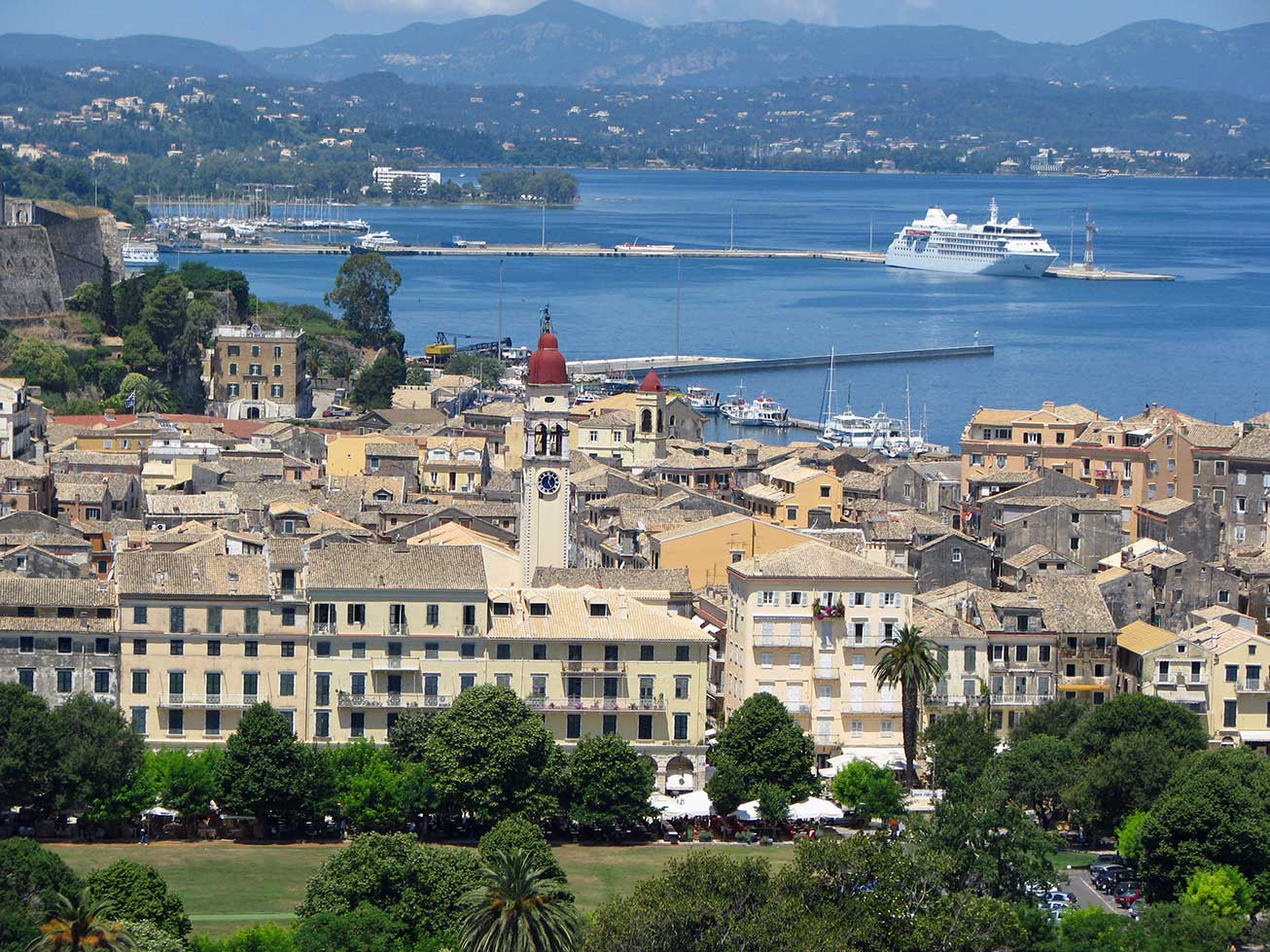
From 1386 to 1797, the Venetian Republic ruled Corfu, leaving a legacy that shaped the island’s architecture, culture, economy, and daily life. Unlike other Greek islands that experienced Ottoman domination, Corfu’s Venetian chapter gave it a distinctly Western European identity, one still visible today in its fortresses, traditions, and even cuisine. Walking through Corfu is like walking through a living museum of Venetian influence — a reminder of how deeply the Serenissima’s presence marked the island’s soul.
Fortresses and Urban Planning
One of Venice’s most enduring contributions to Corfu was its defensive architecture.
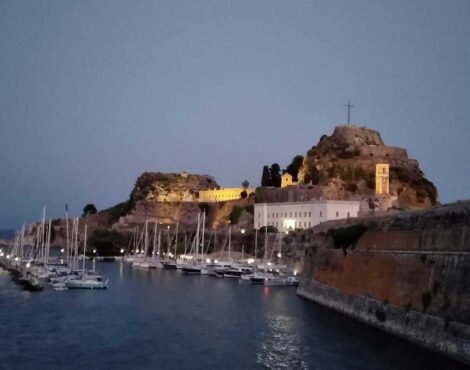
- The Old Fortress (Palaio Frourio): Built on a rocky promontory, it protected the island from Ottoman sieges and remains an emblem of Venetian resilience.
- The New Fortress (Neo Frourio): Constructed in the 16th century above the old harbor, its mighty bastions dominate the skyline and testify to Venetian military engineering.
- Urban Layout: Venice introduced organized street planning, particularly in Corfu Town, where narrow alleys (kantounia) and piazzas mirrored Venetian urban models.
These fortifications not only safeguarded Corfu but also provided the foundations for the UNESCO World Heritage listing of Corfu Town.
Religion and Rituals
While Corfu remained predominantly Orthodox, the Venetians influenced religious practices and cultural expressions.
- Many churches adopted Venetian architectural styles, blending Byzantine icons with Baroque altarpieces.
- Catholic presence grew through monasteries and chapels, reflecting Venice’s multi-faith administration.
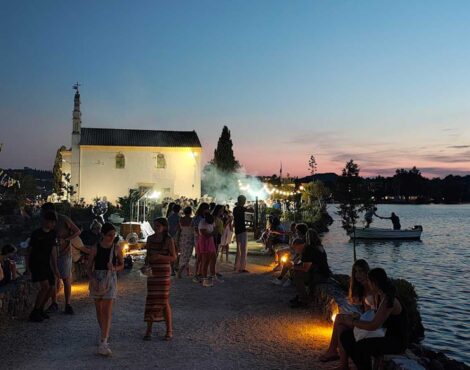
- Festivals such as Easter took on a unique Corfiot flavor, where Orthodox rituals combined with Venetian-style processions and philharmonic music.
The coexistence of Catholic and Orthodox traditions enriched the island’s spiritual life, fostering a culture of tolerance and fusion.
Law and Administration
The Venetian Republic brought a structured legal and administrative system that shaped Corfu’s governance.
- The Venetian Senate appointed governors and councils, embedding the island into the Republic’s maritime empire.
- Local nobility was recognized through the Libro d’Oro, a registry that defined aristocratic privilege.
- Venetian law emphasized trade regulation, maritime security, and agricultural productivity, aligning Corfu with Venice’s strategic interests.
This period established Corfu as a stable and well-governed frontier of Western Europe.
Economy and Agriculture
Venetians transformed Corfu into a vital agricultural hub:
- Olive cultivation: Venice encouraged mass planting of olive trees, resulting in Corfu’s iconic landscape of endless groves. Olive oil became both a local staple and an export commodity.
- Trade networks: Corfu integrated into Venetian maritime trade routes, connecting it to ports across the Adriatic and Mediterranean.
- Craftsmanship: Venetian demand fostered skills in shipbuilding, carpentry, and metalwork.
The island’s economic identity as an “olive oil capital” can be directly traced back to Venetian initiatives.
Art, Music, and Language
Cultural life flourished under Venetian influence:
- Music: Venetian-style philharmonic bands became integral to Corfiot celebrations, a tradition still alive today.
- Art: Frescoes and religious paintings adopted Western techniques, blending them with Byzantine traditions.
- Language: Italian words seeped into the local dialect, many surviving in everyday Corfiot Greek.
This cross-pollination of East and West gave Corfu a cosmopolitan character rare among Greek islands.
Venetian Footprints in Daily Life
Even beyond grand monuments, Venetian influence lingers in everyday details:
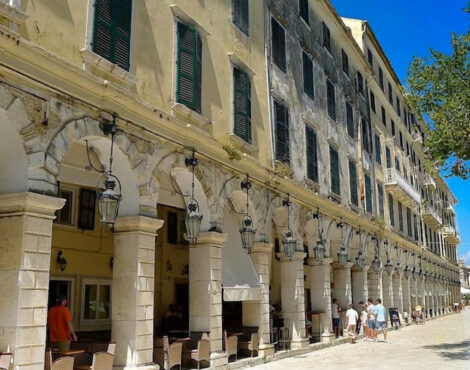
- Architecture: The Liston Arcade, modeled on Paris but built under Venetian inspiration, still frames the Spianada Square.
- Cuisine: Venetian dishes such as pastitsada and sofrito became local staples.
- Customs: The clay pot smashing at Easter (botides) reflects both Venetian pageantry and Corfiot creativity.
Walking through Corfu today, you encounter Venetian footprints not just in stone but in flavors, sounds, and traditions.
Decline of the Serenissima
The Venetian era ended in 1797 with Napoleon’s conquest, yet the imprint of nearly four centuries could not be erased. Instead, the subsequent British and French rulers inherited — and often built upon — the Venetian foundations. Corfu’s unique identity as a Western-oriented island within the Greek world is the direct result of this Venetian legacy.
Experiencing the Venetian Legacy Today
For travelers, exploring Venetian Corfu is a journey through living history:
- Tour the fortresses for panoramic views and historical insight.
- Wander Corfu Town to admire Venetian-style houses with wrought-iron balconies.
- Attend Easter celebrations, where Venetian traditions live on.
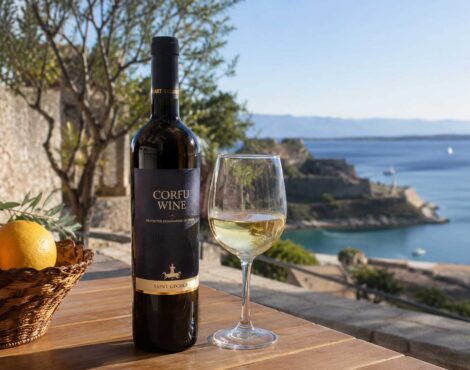
- Taste Corfiot cuisine, with its blend of Venetian flavors and local ingredients.
A Lasting Imprint
Venice may have fallen more than two centuries ago, but in Corfu, the Serenissima lives on. From fortress walls to festive parades, from olive groves to culinary traditions, the Venetian Republic shaped the island’s identity in ways that remain visible — and tangible — today.
To walk through Corfu is to walk in the footprints of Venice, an experience that reveals how history still whispers through the streets, the music, and the olive-scented air of this Ionian gem.