Corfu has a cuisine of its own, shaped by centuries of Venetian influence and by the produce of the island’s olive groves, gardens and surrounding sea. Dishes that appear on many Greek menus are prepared here with different spices and techniques, and several specialities are found almost nowhere else in the country. For visitors, eating well in Corfu is a matter of knowing what to order and where to look. This guide introduces the traditional dishes, the sweets and drinks that deserve a try, and the kinds of places where the best food is usually served.
The Signature Dishes: Sofrito and Pastitsada
Sofrito is the dish most closely identified with Corfu. Thin slices of veal are browned, then simmered slowly in white wine, garlic, vinegar and parsley until the meat is tender and the sauce is bright and fragrant. It is usually served with potatoes or rice, and the combination of tang and richness is typical of the island. The name comes from the Italian word for gentle frying, a reminder of the Venetian influence on the local kitchen.
Pastitsada is the other great classic, a slow-cooked stew of rooster or beef with thick pasta and a spiced tomato sauce flavoured with cinnamon, cloves and allspice. It is traditionally served on Sundays and at celebrations, and each family has its own version. Both dishes are best eaten in simple village tavernas, where they are prepared in the traditional manner and served in generous portions.
From the Sea: Bourdeto and Fresh Fish
Bourdeto is a fish stew made with scorpion fish, a rich red sauce and plenty of hot pepper, and it is a staple of fishing communities on the island. It is bold, spicy and warming, and it is usually eaten with bread to catch the sauce. Another Corfiot speciality is savoro, fish fried and then preserved in a sweet and sour sauce of vinegar, raisins and rosemary.
Fresh grilled fish is widely available in the coastal villages, and the quality is generally high when you choose a taverna with a view of the working harbour. It is worth asking which fish are caught locally that day and paying by weight, a normal Greek custom. Octopus, calamari and shrimp are popular starters, and in some places, such as Paleokastritsa, lobster dishes are a speciality.
Village Tavernas and Everyday Greek Food
Alongside the Venetian specialities, Corfu offers all the familiar Greek dishes, made with exceptional olive oil. Local salads with ripe tomatoes, cucumbers and feta, vegetable pies, stuffed vegetables, grilled meats and stews appear on most menus. Many tavernas make their own wine, bread and desserts, and the best places have short menus that change with the season.
The most authentic meals are often found in mountain and inland villages, where family-run tavernas serve what they have grown or raised themselves. Places such as the villages around Pantokrator, the hills above Paleokastritsa and the southern villages offer simple, well-prepared food at reasonable prices. As a rule, a menu that is short, local and in Greek is a better sign than one with large photographs and a long list of international dishes.
Sweets, Liqueurs and Local Drinks
The kumquat, introduced to the island in the nineteenth century, has become a symbol of Corfu. It appears in a bright orange liqueur, in preserves, in candies and in desserts, and a small glass after dinner is a pleasant way to finish a meal. Other local sweets include mandolato, a nougat made with almonds, and pasta frola, a tart filled with jam, and bakeries in the Old Town sell both.
To drink, try tsitsibira, a local ginger beer that dates from the British period and is still produced on the island, and the wines made from local grape varieties such as Kakotrygis and Skopelitiko. The local olive oil, honey, herbs and cheeses also make excellent gifts. Many shops in the Old Town and in the villages offer tastings, and they are a good way to learn about the products of the island.
Markets, Bakeries and Food to Take Home
A good way to get to know the cuisine is to visit the local markets and food shops. The covered market in Corfu Town offers fresh fish, vegetables, fruit, cheese and herbs, and it is lively early in the morning when local cooks do their shopping. Bakeries across the island sell fresh bread, savoury pies and traditional sweets, and a warm cheese pie from a village oven makes an excellent breakfast or snack.
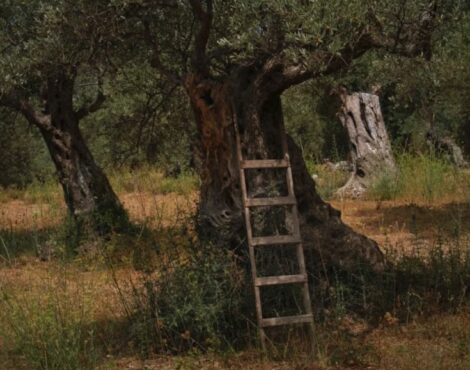
Olive oil is the most important local product, and many producers welcome visitors to the mills and groves, sometimes with a tasting of different varieties. Honey, dried herbs, olives and local cheeses are easy to carry home, and bottles of kumquat liqueur make popular gifts. When buying oil, look for a harvest date on the label and a dark bottle or tin that protects the oil from the light. Small producers often offer the best value and the most interesting stories.
Eating Through the Seasons
The food of Corfu changes noticeably with the seasons, and visitors at different times of year will find different dishes. In spring, wild greens, fresh artichokes and young broad beans appear on tavern tables, and Easter brings its own traditions of lamb and sweet breads. Summer is the season of tomatoes, aubergines, peppers and fresh fish, and the long evenings invite slow dinners outdoors.
Autumn brings the olive harvest, new wine and a return to slower cooking, with stews, mushrooms and game appearing on menus, while winter is the time for hearty soups and pies. Tavernas that follow the season are usually the best, since their menus reflect what is fresh rather than what is expected by tourists. It is always worth asking what the kitchen recommends today, because the most memorable dishes are rarely the ones printed on the menu.
Practical Tips and Where to Start
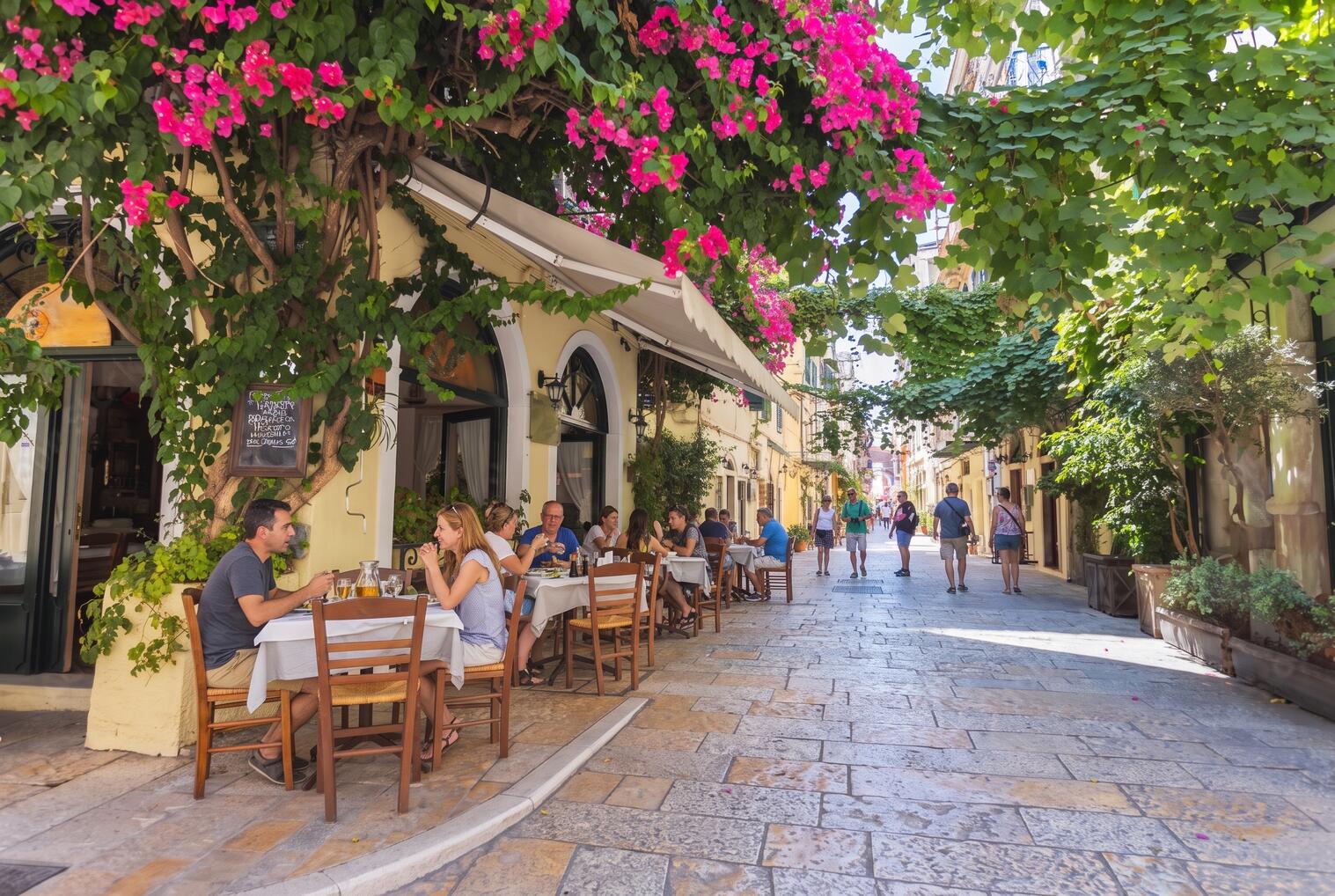
For a first evening, the Old Town offers a wide choice, and the side streets of the Campiello generally provide better value than the Liston. Reserve a table in summer for popular places, particularly at sunset, and note that many tavernas open late and serve dinner from around eight in the evening. Service can be relaxed, and it is customary to linger over a meal.
Guests at Kapella Apartments will find that the garden suits a simple breakfast or an evening drink with local products bought during the day, which makes a pleasant complement to restaurant meals. Whatever you choose, taking the time to try sofrito, pastitsada and a kumquat dessert will give you a good introduction to the flavours of the island, and exploring village tavernas will reward you with some of the most memorable meals of your stay.