
Snorkelling in Corfu: The Best Underwater Spots in Peak Summer Clarity
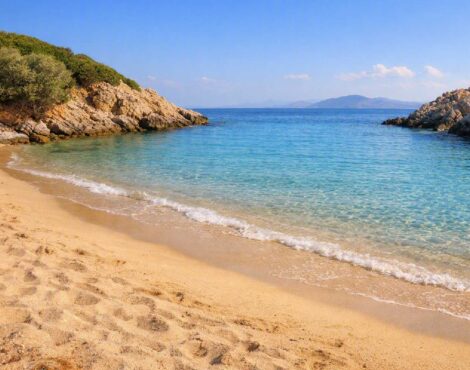
By August, the sea around Corfu has spent months absorbing the sun, and the result is water that is warm, calm and remarkably clear. It is the best month of the year to put a mask on and look beneath the surface, because the winds that can stir up spring and autumn seas have largely settled and visibility along much of the coast easily reaches fifteen to twenty metres on a good day. No wetsuit is needed, no long boat charter is required, and in many places all that stands between a sunbed and a private underwater world is a short swim from the shore.
Paleokastritsa: The Island’s Underwater Heart
If there is one place on Corfu built for snorkelling, it is Paleokastritsa on the west coast. The bay is broken into a series of smaller coves, each with its own character, and the rocky cliffs that rise above the water continue dramatically below it, dropping into caves and overhangs where the light does something almost theatrical. Swim into one of the shallower caves on a calm morning and the sunlight bouncing off the sandy floor turns the whole chamber an electric blue. Along the rock walls, sponges and small corals cling to the stone, and schools of damselfish and ornate wrasse move in tight, shifting clouds. Confident swimmers can follow the cliff line further north, where the water opens out and the marine life becomes noticeably richer.
The Calm Coves of the Northeast
The northeast coast offers a gentler kind of snorkelling, better suited to families or anyone who prefers shallower water close to shore. Kassiopi Bay is the standout here, with a rocky seabed that shelters fish, starfish and sea urchins in water calm enough for beginners to feel entirely at ease. A little further south, Nissaki sits below the slopes of Mount Pantokrator, where the shore drops steeply and meadows of neptune grass shelter parrotfish, moray eels and the occasional octopus doing its best impression of a rock. Early morning, before any afternoon breeze picks up, is when the water here is at its clearest, typically between eight and eleven.
Barbati and the Quieter East
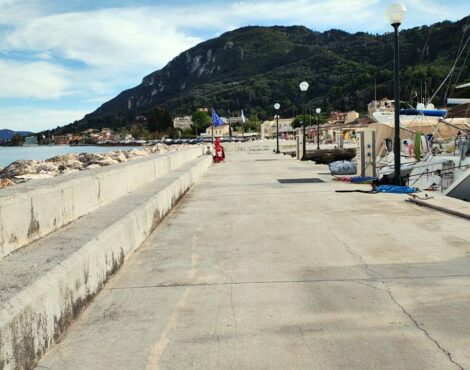
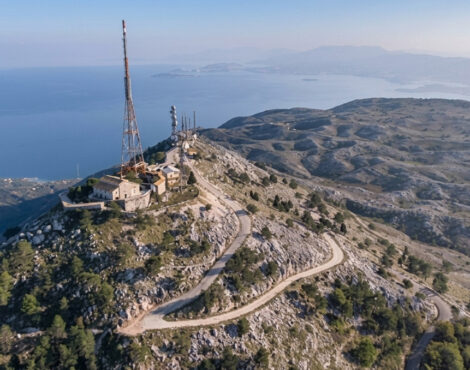
Barbati, with its long pebble beach at the foot of the island’s highest peak, is often overlooked in favour of its more famous neighbours, but the rocky sections at either end of the beach reward anyone willing to walk a little further from the sunbeds. The southern end near the small harbour has particularly interesting underwater rock formations, and because it draws fewer snorkellers than Paleokastritsa, the fish tend to be less skittish.
Reaching the Spots Only a Boat Can Find
Some of the finest snorkelling on the island is not reachable from the beach at all. Along stretches of coast where the shore is rock rather than sand, boats can anchor in water that few swimmers ever see, and the difference in marine density is noticeable within minutes. A morning spent moving between two or three such spots, whether hired independently or arranged through a local boat operator, tends to produce the most memorable underwater hours of a Corfu holiday, simply because the water has not been disturbed by a constant stream of swimmers.
A Few Practical Notes for August
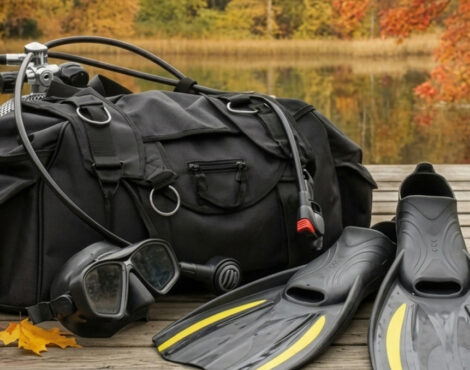
Sea shoes are worth packing, since several of the best spots are rocky rather than sandy, and stepping barefoot onto a sea urchin is not the way anyone wants to start a snorkel. Mornings offer the calmest water and the clearest visibility, so an early start pays off, both for the conditions and for beating the crowds that build at the more famous coves by midday. Reef-safe sunscreen is a small courtesy to the same marine life that makes the swimming worthwhile in the first place, and a simple mask and snorkel is all that is really needed. No specialist equipment or experience is required for any of the spots described here, which is exactly what makes August the easiest month of the year to try it.
A Base Close to the Water
Guests staying at Villa Kapella are well placed for exploring several of Corfu’s best snorkelling coves without long drives eating into the day, whether that means a quiet morning cove nearby before breakfast or a longer excursion further along the coast. After a few hours in the water, there is a particular satisfaction in returning to the villa’s own pool and shaded terraces to dry off, rinse away the salt, and let the rest of the August afternoon unfold at a slower pace.