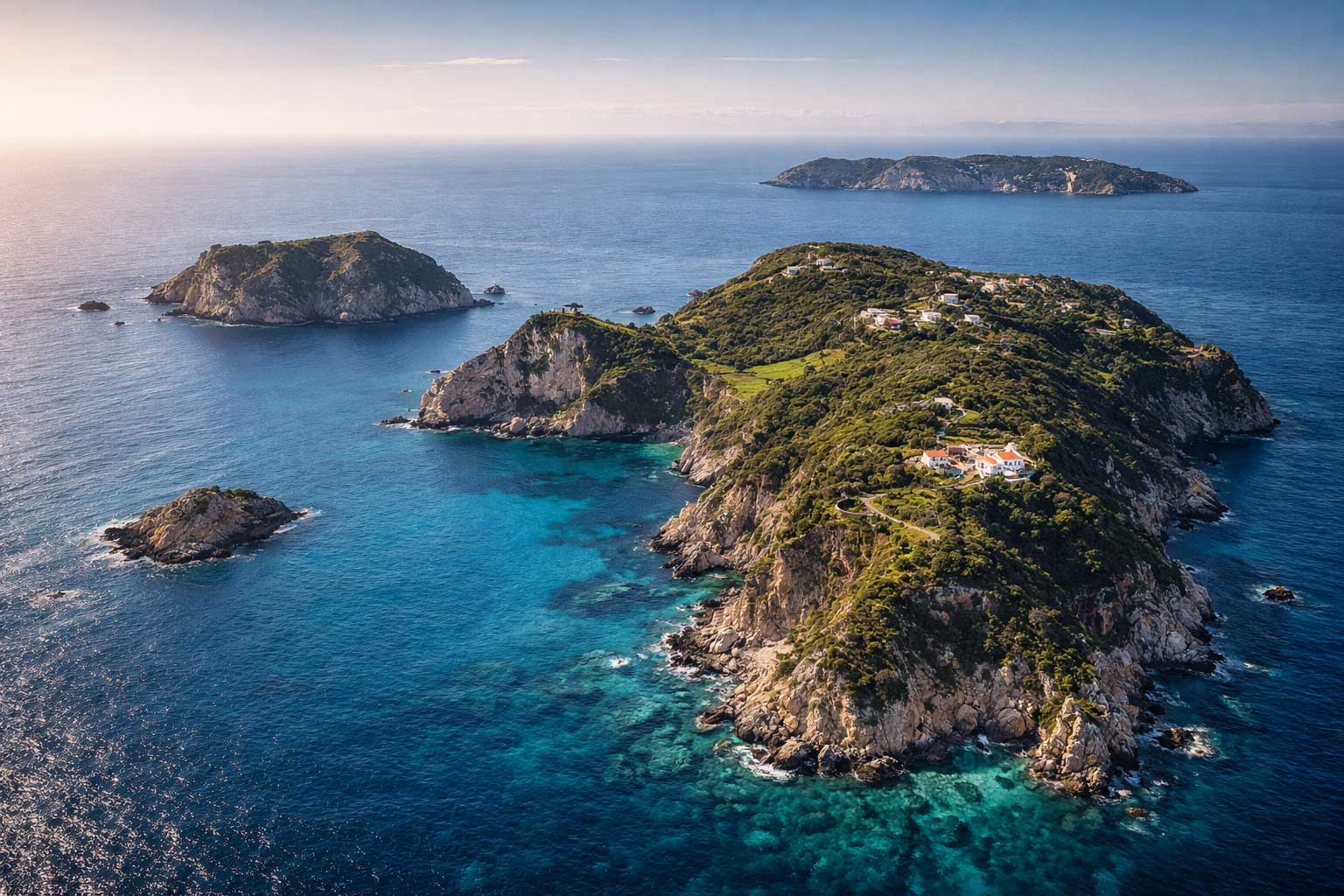
The Diapontian Islands: Remote Northwestern Island Escapes
Beyond Corfu’s northwestern coast, three small islands represent Greece’s frontier with Italy and Albania across narrow straits. Othonoi, Erikoussa, and Mathraki, collectively known as Diapontian Islands, maintain existence far removed from mass tourism defining much of Mediterranean. These remote outposts, supporting small year-round populations supplemented by summer visitors and returning emigrants, preserve traditional island life increasingly rare across modernized Greece. Visiting during March means encountering islands in their authentic winter-to-spring transition when few tourists venture to these isolated communities and nature dominates human presence. Understanding these islands’ character, access logistics, and what they offer enables planning expeditions to Greece’s edge where land gives way to sea and modern life’s complications feel distant as the mainland disappearing behind returning ferries.
Geography and Historical Context
The Diapontian Islands scatter across waters northwest of Corfu, the archipelago’s position making them Greece’s westernmost inhabited territory. This geographical extremity created historical significance beyond these small islands’ modest size would otherwise warrant.
Othonoi, largest at roughly 10 square kilometers, lies furthest from Corfu approximately 12 nautical miles northwest. The island’s rugged terrain, reaching 393 meters at highest point, creates dramatic topography for such small landmass. Population fluctuates seasonally between winter’s roughly 400 permanent residents and summer’s swelled numbers from returning emigrants and visitors.
Erikoussa, smallest and flattest at about 5 square kilometers, sits closest to Corfu’s northwest coast. The island’s gentler topography and better beaches attract more tourist development than siblings though remaining relatively undeveloped by mass tourism standards. Winter population around 500 grows substantially summer months.
Mathraki, medium-sized at approximately 6 square kilometers, occupies position between sisters both geographically and characteristically. The island’s modest elevations and agricultural land support year-round community of roughly 300 growing during summer.
Historical settlement stretches back millennia with archaeological evidence suggesting ancient Greek and Roman presence. However, detailed historical records sparse until Venetian period when islands served strategic surveillance positions watching Adriatic approaches.
Strategic military significance during various conflicts including World Wars positioned islands as observation posts and occasionally minor operational bases. This military history, though not extensively developed, adds dimension beyond simple fishing and agricultural communities.
Modern Greek sovereignty over islands, while never seriously challenged, represents westernmost extent of national territory. The symbolic importance exceeds practical significance, these remote islands representing Greece’s presence at frontier with Western Europe across Adriatic.
Population decline throughout 20th century as younger generations emigrated seeking opportunities in mainland Greece, Athens, or abroad mirrors broader pattern across small Greek islands. Only summer tourism and returning emigrants prevent complete abandonment of communities.
Access and Transportation Logistics
Reaching Diapontian Islands requires accepting limited transportation schedules and weather-dependent reliability fundamentally different from conventional tourism logistics.
Ferry services from Corfu Town’s New Port operate year-round though with significantly reduced March schedules compared to summer frequency. Sailings typically occur several times weekly rather than daily, requiring careful schedule coordination. The journey duration varies 1.5-3 hours depending on destination island and sea conditions.
Alternative departures from Agios Stefanos in northwest Corfu reduce sailing time substantially, particularly to Erikoussa. However, these services operate primarily summer season with limited or no March sailings. Verifying current schedules essential before planning.
Weather dependency means scheduled sailings sometimes cancel due to sea conditions. March winds and seas occasionally prevent safe operation, creating stranded passengers or canceled trips. Building schedule flexibility and maintaining backup plans prevents disasters when weather forces changes.
Inter-island connections, when operating, enable visiting multiple Diapontian Islands in single trip though March schedules make this challenging. Summer’s more frequent service facilitates island hopping; March typically requires choosing single island or accepting extended stays waiting for connections.
Private boat charter represents alternative for those with budgets and flexible schedules. Local Corfu boat operators sometimes arrange Diapontian trips though March weather makes this less reliable than summer months.
No airports or helicopter services exist, ferry representing only realistic public access option. This transportation limitation preserves islands’ remote character while creating genuine barrier to casual visitors.
Return journey planning critical as being stranded on small island with limited facilities and services creates genuine problems. Ensuring known return ferry schedules and contingency plans if weather forces cancelations prevents being trapped.
Accommodation booking importance heightens during uncertain March season when limited options may be closed or operating reduced capacity. Advance contact with accommodations ensures availability and operation rather than arriving to find everything closed.
Island Life and Traditional Culture
The Diapontian Islands preserve traditional Greek island lifestyle increasingly rare across modernized tourism-dominated islands, this authentic character representing primary appeal for certain travelers.
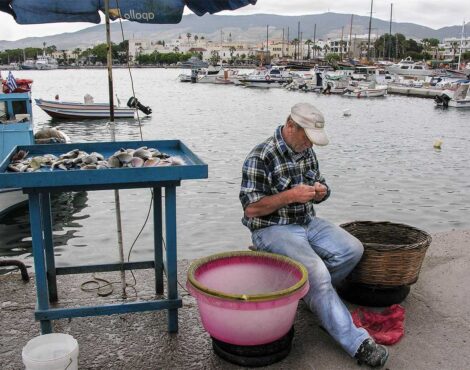
Economic base historically combined subsistence agriculture, fishing, and olive cultivation. Modern economy supplements these traditional activities with tourism, though at much smaller scale than Corfu or other developed islands. Some residents maintain traditional livelihoods while others depend on pensions, remittances from emigrated relatives, or seasonal tourism income.
Social structure in small communities creates intimacy and mutual knowledge impossible in larger settlements. Everyone knows everyone, family relationships interconnect throughout community, and collective identity strong. This social cohesion, while creating welcoming atmosphere for respectful visitors, also means privacy and anonymity absent.
Daily rhythms follow traditional patterns largely independent of tourism season. Morning fishing departures, afternoon rest periods, evening socializing in village squares, and religious observance structuring weekly cycles all continue as they have for generations.
Religious life, centered on Orthodox Church, provides spiritual and social community focus. The small churches, though architecturally modest, represent important gathering places particularly for festivals and saint’s day celebrations.
Language and dialect preserve traditional Greek with minimal English penetration outside limited tourism contexts. Visitors expecting widespread English face communication challenges requiring patience, creativity, and possibly translation technology.
Traditional architecture including stone houses, narrow village lanes, and functional design prioritizing durability over aesthetics creates authentic island atmosphere free from modern development’s homogenizing effects.
Age demographics skew elderly as younger generations emigrate for education and employment. The islands risk becoming retirement communities without youth, though summer returns of younger emigrants temporarily restore age balance.
Women’s roles traditionally centered on household, agriculture, and textile production while men handled fishing and external economic activities. These gender patterns, though evolving, remain more traditional than mainland urban areas.
Food culture emphasizes simplicity, seasonality, and self-sufficiency. Gardens provide vegetables, fishing supplies protein, olive trees produce oil, and preservation techniques including drying and pickling extend seasonal abundance. This food system, though supplemented by imported goods, maintains traditional self-reliance.
Natural Environment and Landscapes
The Diapontian Islands’ limited human development preserves natural environments showcasing Mediterranean island ecology in relatively pristine condition.
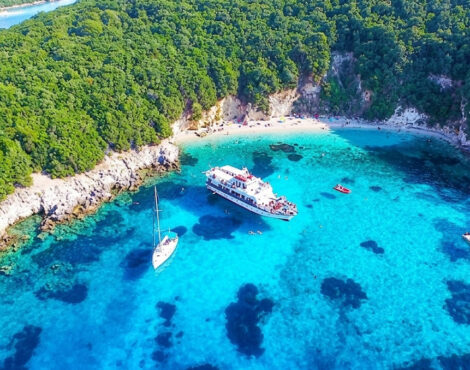
Coastal landscapes dominate given islands’ small size and irregular shorelines. Beaches range from sandy crescents to pebbled coves to rocky shorelines, the variety creating diverse coastal experiences within limited total area.
March vegetation shows spring awakening with wildflowers beginning bloom and winter rains creating lush green landscapes. The botanical diversity, though less spectacular than larger islands, still impresses particularly in unspoiled areas free from development or intensive agriculture.
Marine environments surrounding islands feature clear waters, rocky seabeds, and diverse marine life. Though March water temperatures discourage swimming for most visitors, the sea’s visual beauty and ecological richness apparent year-round.
Birdlife includes both resident species and migrants using islands as stopover points during seasonal movements. March brings early migrants returning from African wintering grounds making it interesting period for birdwatchers despite not peak migration timing.
Geological formations including sea caves, unusual rock formations, and varied coastlines create visual interest and exploration opportunities. The limestone bedrock underlying islands creates karst features similar to Corfu though on smaller scale.
Agricultural landscapes primarily olive groves with scattered vegetable gardens create worked countryside contrasting with wilder areas. This landscape mosaic combining cultivation and nature typifies small Greek islands.
Limited freshwater resources constrain development and historically shaped settlement patterns. Springs and wells, critically important to island communities, receive respect and maintenance reflecting water’s fundamental importance.
Minimal light pollution creates exceptional night skies impossible in developed areas. The darkness, combined with island’s maritime setting, provides stargazing opportunities urban dwellers rarely experience.
Activities and Experiences
Visiting Diapontian Islands during March offers particular activities and experiences distinct from summer tourism patterns or mainland attractions.
Walking and hiking, though lacking marked trails or tourism infrastructure, enables island exploration at intimate pace. The small size means covering substantial territory on foot while discovering beaches, villages, viewpoints, and natural features.
Beach experiences in March emphasize solitude and natural beauty over swimming and sunbathing. Walking deserted beaches, collecting shells, photographing coastal landscapes, and simply enjoying maritime environment without crowds creates contemplative experiences.
Village exploration including wandering narrow lanes, observing traditional architecture, visiting small churches, and encountering daily life provides cultural immersion impossible in tourist-developed areas.
Taverna dining, limited to few operating establishments during March, provides authentic food experiences. The simple preparations, fresh local ingredients, and family-run operations deliver genuinely traditional meals rather than tourist-adapted versions.
Photography opportunities abound from landscapes and seascapes to architectural details to cultural documentation. The lack of crowds and authentic atmosphere enables capturing images impossible during busy seasons.
Birdwatching and nature observation, though not organized activities, reward those carrying binoculars and field guides. The islands’ position and habitat diversity create interesting ornithological opportunities particularly during migration periods.
Fishing, whether from shore, rocks, or boats if available, provides both recreational activity and potential meal contribution. Local knowledge about techniques and locations valuable for success.
Simply relaxing and disconnecting from modern life’s pace and connectivity represents valid activity choice. The islands’ remoteness and minimal infrastructure create natural digital detox environments.
Cultural exchange through interactions with island residents, when welcome and appropriate, provides human dimension to visit. Respectful conversations, whether in broken Greek, sign language, or through helpful translators, create meaningful encounters.
Practical Considerations and Challenges
Honest assessment of challenges visiting remote islands during March prevents unrealistic expectations while enabling informed decision-making.
Accommodation options extremely limited with many establishments closed until late spring. The few operating options may offer basic rather than luxurious facilities. Advance booking essential, confirming operation before arrival critical.
Dining choices restrict to one or two operating tavernas per island during March. While food typically excellent within traditional Greek limitations, those expecting variety or international options face disappointment.
Shopping and supplies minimal requiring bringing essentials from Corfu. No supermarkets exist, small shops stock basics, fresh produce limited. Self-catering visitors must bring most provisions.
Banking and cash access absent or unreliable. No banks operate on islands, ATMs limited or non-functional. Bringing adequate cash from Corfu prevents payment problems.
Medical facilities basic to nonexistent requiring evacuation to Corfu for anything beyond minor injuries or illnesses. Those with health concerns should reconsider visiting remote islands without proper facilities.
Communication infrastructure limited with mobile coverage unreliable, internet connectivity minimal, and digital services that urbanites take for granted often unavailable.
Weather unpredictability in March creates genuine concerns. Rain, wind, and sea conditions can confine visitors indoors, cancel return ferries, or generally create unpleasant conditions. Accepting this risk essential.
Entertainment and organized activities absent requiring self-direction and finding satisfaction in simple pleasures rather than structured tourism programs.
Language barriers significant as English rarely spoken outside minimal tourism contexts. Basic Greek or translation technology helpful though cannot completely eliminate communication challenges.
The Diapontian Islands represent Greece’s remote frontier where traditional island life continues despite modern pressures toward abandonment or tourism development. Visiting during March means encountering islands in their authentic off-season character when few outsiders present and communities follow traditional rhythms undisturbed by summer’s tourism. These experiences, though challenging through limited facilities, uncertain weather, and access complications, reward those seeking genuine encounters with traditional Greek island culture and unspoiled Mediterranean nature. The journey to Diapontian Islands, whether successful adventure or weather-complicated challenge, provides stories and perspectives impossible acquiring in comfortable conventional tourism contexts, reminding us that most authentic experiences often require accepting discomfort, uncertainty, and possibility of failure as acceptable costs for encountering places and people maintaining ways of life that modernization elsewhere eliminated, preserving however tenuously connections to island traditions stretching back millennia across Mediterranean where small communities clung to rocky outcrops wresting livings from sea and land through work, solidarity, and stubborn refusal abandoning home regardless of easier alternatives beckoning from distant mainlands promising comfort these islanders reject, choosing instead hard beautiful lives in places where land meets sea at civilization’s edge and Greece dissolves into waves stretching toward distant Italy barely visible across straits that simultaneously separate and connect, creating frontier identity neither fully Greek nor anything else, just Diapontian, unique and increasingly rare in homogenizing world where such distinctions and preservations matter more as they become rarer.