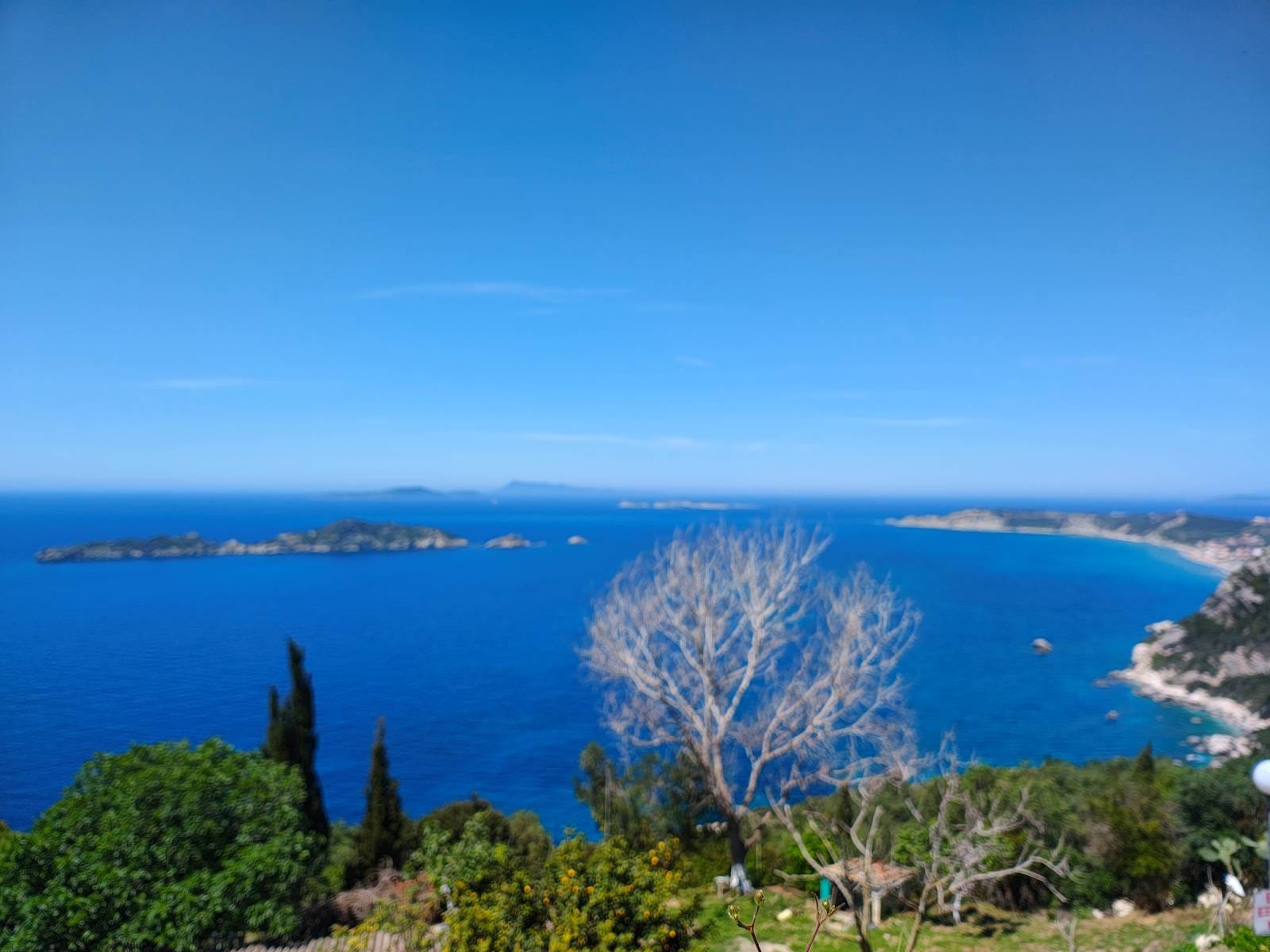
October arrives in Corfu with the particular quality of a month that knows it is underestimated and is entirely comfortable with the fact. The package holiday calendar has largely concluded. The school holiday visitor has returned to the autumn term. The peak season infrastructure of the island is winding down, the beach operators reducing their hours and some of the smaller establishments closing for the winter. And the island, released from the obligation of managing its maximum visitor volume, does something that the seven months of its tourist season have been gradually obscuring: it becomes, completely and without remainder, itself.
The Corfu of October is the Corfu that has existed for three thousand years of continuous habitation and that exists for nine months of every year without the tourist season that three of those months bring. It is the island of the olive groves in their preparation for the winter harvest, of the village kafeneion occupied by the people who actually live there, of the covered market in Corfu Town serving the population of the town rather than the visitors to it. It is the island in the form that is most genuinely and most completely what it has always been, and the visitor who discovers it in October discovers a depth and an authenticity of experience that the peak months, for all their considerable pleasures, specifically and necessarily cannot provide.
The October Warmth
The first thing the October visitor to Corfu discovers, and the first thing they typically report to the friends and family who expressed concern about the wisdom of visiting the island in the tenth month of the year, is that Corfu in October is considerably warmer than they anticipated. The Mediterranean climate that makes Corfu one of the warmest and sunniest islands in Greece through the summer months does not conclude with September. It moderates through October in a gradual and generally gentle progression that maintains warmth and sunshine through the great majority of the month while introducing the first intimations of the autumn that the final weeks of October bring with increasing frequency.
Average daytime temperatures of 22 to 26 degrees Celsius in the first half of the month provide the warmth for outdoor living without the intensity that the August heat introduces. The Kapella Apartments terrace in the first October weeks is as naturally the centre of daily life as it was in May and June and throughout the summer, the morning coffee in the garden and the afternoon sitting in the terrace shade and the evening dinner at the outdoor table all as naturally available as at any point in the season. The gradual cooling of the second half of October introduces a light jacket for the evening and a slightly earlier conclusion to the outdoor evening, but the fundamental outdoor character of the Kapella Apartments experience continues through October with only the most gradual and most gentle modification.
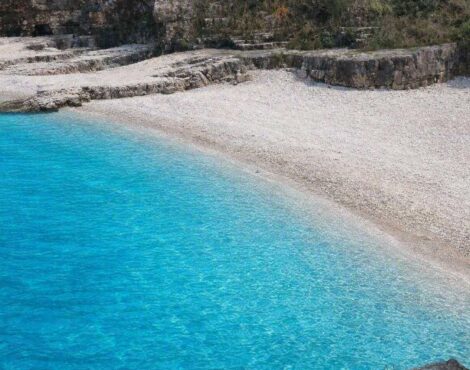
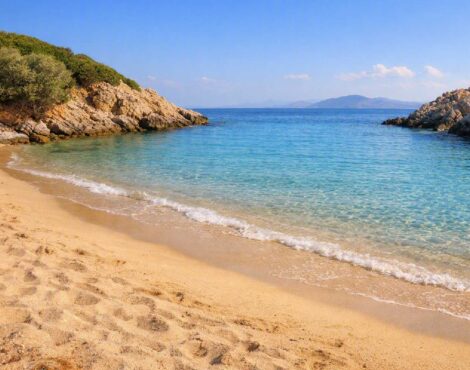
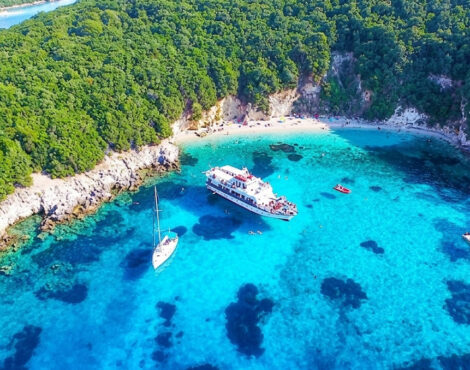
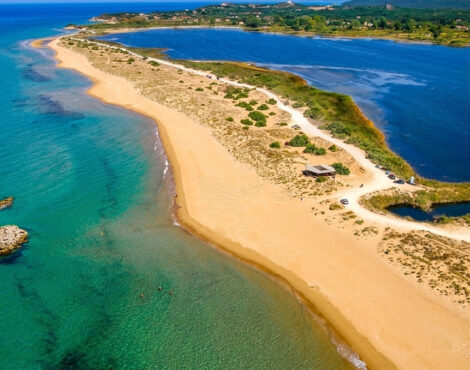
The sea in October is the element that most consistently surprises the first-time October visitor to Corfu. The thermal mass of the Ionian, which has been accumulating the summer’s heat since April and which reaches its peak warmth in September, releases that warmth slowly through the weeks of October in a way that maintains swimming temperatures of 22 to 24 degrees through the first three weeks of the month. This is not the marginal, tolerance-testing coolness that the same temperature would represent if it had been reached from below rather than retained from above. It is the warmth of water that has been at 26 degrees for months and that is cooling reluctantly and slowly, and the October swimmer who enters it finds not a cold sea but a warm one in the early stages of its autumn descent.
The October Light
The light of October in Corfu is the element that the photographers who know the island’s seasonal qualities most thoroughly identify as the finest of the entire year. The September light, already more golden and more richly coloured than the overhead summer sun, becomes in October the dramatic, low-angle illumination of the established autumn that falls across the Corfiot landscape with the particular quality of a light that is simultaneously warm and precise, filling the textures and the colours of the landscape with a depth and a definition that no other month produces.
The olive groves that surround Kapella Apartments and that cover the hillsides of the island’s interior are in October lit by the afternoon sun at the angle that most completely reveals their character. The silver undersides of the leaves, catching the low October sun and producing the shimmer that the olive grove’s visual identity is built on, are in October illuminated with a completeness that the overhead summer light specifically prevents. The trunks of the ancient trees, their textures of extraordinary complexity and antiquity, receive the October light at the angle that reveals every fissure and every surface of the bark in the warm amber gold that the low sun produces on rough stone and rough wood alike.
The limestone of the village architecture, from the Venetian facades of Corfu Town to the simpler domestic buildings of the interior villages, is in October warmed by the afternoon sun to a depth of colour that the summer light does not achieve. The village of Ano Korakiana in the October afternoon light, its Venetian-influenced architecture catching the low sun from the southwest and glowing with the amber warmth that the October limestone produces, is the Corfiot village at its most visually extraordinary. The photographer who knows this, who comes in October specifically for the light on the village facades and the olive groves and the sea visible from the elevated viewpoints, is the October visitor in their most specifically informed form.
The Island’s Own Rhythm
October in Corfu is the month when the island’s own rhythm reasserts itself most completely over the tourist season’s imposed structure. The cafes of the village squares are occupied by the people who live in those squares rather than the tourists who pass through them. The covered market in Corfu Town serves the town’s own population with the produce of the October harvest: the late figs, the first winter squashes, the continued abundance of the tomatoes in their final weeks of peak quality, and the grapes that the September harvest has now transformed into the new wine that will not be ready until the new year but whose promise is present in the vines stripped of their fruit and beginning their autumn transition.
The tavernas of the island in October are the tavernas at their most genuine. The post-peak-season calm that September begins becomes in October a quality of unhurried and specific engagement with the small number of guests who arrive in the quietest month of the open season, and the cooking that the October kitchen produces for this small and attentive clientele is among the finest of the year. The sofrito and the pastitsada of the Corfiot kitchen, prepared by chefs who have been cooking these dishes continuously since May and who bring to the October preparation the accumulated confidence of an entire season’s practice, are the October dishes at their most accomplished, served in restaurants that have the time and the inclination to give each table the full quality of attention that the peak season volume prevents.
The Olive Harvest Approaches
October is the month when the Corfiot agricultural calendar makes its most visible preparation for the olive harvest that will begin in December and continue through January and February. The developing fruit visible on the trees since the spring flowering has been growing through the summer months and is in October approaching the size and the colour that the first signs of maturity will bring in November. Walking through the olive groves surrounding Kapella Apartments in October, with the developing fruit heavy on the branches above and the ancient trunks lit by the October afternoon sun in the amber gold of the advancing autumn, is to be present at the moment in the agricultural cycle when the harvest that the season has been building toward first becomes visibly imminent.
The nets that will be spread beneath the trees for the December harvest are not yet deployed in October, but the preparation is beginning in the minds and the planning of the growers whose winter will be shaped by the olive harvest as completely as their summer has been shaped by the tourist season. October is the bridge month of the Corfiot calendar, when the tourist season concludes and the agricultural season prepares to resume, and the visitor who is present in October inhabits this bridge with a directness and an immediacy that no other month of the year provides.
October at Kapella Apartments
The Kapella Apartments experience in October has the quality of a property and a season that have reached their natural and most complete conclusion together. The garden, which has been developing since May and which reached the peak of its established maturity in September, carries in October the particular beauty of the late season: the planting fully established and beginning its gradual autumn transition, the outdoor spaces retaining the warmth and the character of a garden that has been well inhabited through a long season, and the October light on the surrounding landscape providing the golden backdrop that makes the garden’s evening hours in this month the most visually beautiful of the year.
The outdoor table at Kapella Apartments in October, set for the dinner that the October evening’s warmth still makes entirely natural in the first weeks of the month, is the outdoor table at the end of a long season that has produced, evening after evening, the best of what the Ionian summer has to offer. October adds to these evenings the specific quality of the concluding chapter: the awareness of the season’s approaching close, the particular richness of colour and light that the October afternoon produces on the surrounding landscape, and the warmth of the outdoor evening that is, in October, slightly more precious than in August simply because it will not last forever.