
Corfu is not only about beaches and history. It is also an island alive with wings, colors and scents. Walking through olive groves, along country paths or across meadows in spring, you notice how many butterflies and bees move from flower to flower. The island’s rich biodiversity makes it a natural paradise for pollinators.
The Role of Pollinators in Corfu
Butterflies, bees and other insects are not just beautiful to watch. They are essential for the ecosystem. Corfu’s agriculture and wild nature both depend on them. Olive blossoms, citrus groves, vineyards and vegetable gardens all need pollinators to thrive. In the hills and valleys, wildflowers feed the insects, and in return the insects help the plants multiply.
Bees in Corfu
Beekeeping has a long history on the island. Corfiot honey is famous for its richness, flavored by thyme, heather and citrus. Local beekeepers still move their hives to different areas depending on the flowering season. Spring brings citrus blossom honey, summer produces thyme honey, while autumn heather gives a darker, stronger taste. For locals, bees are part of daily life and tradition.
Butterflies of the Island
Corfu is home to many species of butterflies. Walking along the Corfu Trail or through mountain villages, you may see swallowtails with their long tails, painted ladies with orange wings, and the tiny blue butterflies that sparkle in the sunlight. Some species are permanent residents, others are seasonal visitors migrating through the Ionian. Their presence adds flashes of color to every field and meadow.
Wildflowers Everywhere
In spring, Corfu explodes with wildflowers. Red poppies cover fields, yellow daisies shine under olive trees, and orchids bloom in hidden corners. Many of these flowers are rare in other parts of Europe but still thrive here because of the mild climate and the island’s mix of hills, wetlands and coastal zones. Walking through the countryside feels like moving through a living carpet of colors.
The Link Between Tradition and Nature
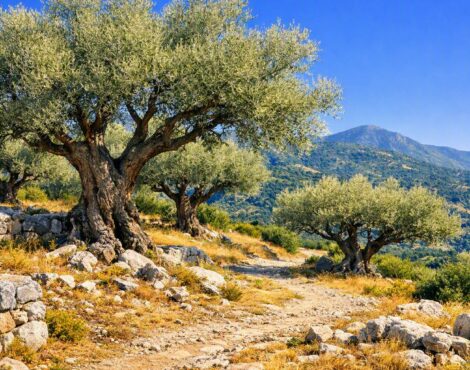
For centuries, Corfiots lived in harmony with pollinators. Farmers relied on bees for their orchards and vineyards. Olive groves were full of flowers that supported insects, and in return the insects ensured good harvests. Even today, in village gardens, you will see locals planting basil, rosemary and lavender not only for cooking but also to attract bees and butterflies.
Best Places to Experience Corfu’s Pollinator Paradise
-
Ropa Valley: A fertile plain with wetlands that attract both wildflowers and insects.
-
Lake Korission: Sand dunes and lagoon landscapes rich with unique flora.
-
Pantokrator slopes: Meadows filled with orchids, thyme and butterflies in spring.
-
Olive groves: Almost everywhere on the island, where bees buzz around blossoms.
Threats and Protection
Like everywhere in the world, Corfu’s pollinators face challenges. Pesticides, habitat loss and climate change threaten their populations. Some traditional practices are disappearing as younger generations leave farming. Yet, there are also positive efforts. Organic farms are growing, awareness about biodiversity is increasing, and eco-tourism introduces visitors to the value of pollinators.
What Visitors Can Do
Travelers can support pollinators by choosing local honey, joining eco-walks that highlight biodiversity, or simply respecting the environment by not disturbing flowers and hives. Taking time to notice bees and butterflies is also part of slowing down and enjoying Corfu’s natural rhythm.
Pollinators are small, but they carry a big responsibility. Without them, Corfu’s landscapes and foods would not be the same. To walk through the island in spring is to feel surrounded by life, where every flower and every insect has a role in keeping the island fertile and beautiful.