
Day Trips from Corfu: Exploring Paxos, Albania and Beyond
Corfu’s strategic Ionian position creates base for exploring surrounding destinations. The island’s central location provides access to Greek islands, Albanian coast, and mainland towns within day trip reach. These excursions add variety to beach-focused vacations while revealing regional diversity. Each destination offers distinct character from Corfu whether natural beauty, cultural difference, or historical significance. Day trips balance convenience of Corfu base with adventure of new discovery. Whether seeking pristine beaches, ancient ruins, or cross-cultural experiences, accessible destinations satisfy diverse interests while manageable timeframes suit various travel styles and energy levels.
Paxos and Antipaxos: Paradise Islands
Paxos lies seven nautical miles south of Corfu, approximately one hour by ferry. This small island, only 13 kilometers long and 4 kilometers wide, packs remarkable beauty into compact area. Olive groves covering interior create silver-green canopy. Dramatic cliffs along eastern coast drop to turquoise waters. Small harbors and villages maintain authentic character despite tourist popularity.
Gaios, the main port, welcomes arriving ferries. This picturesque village features Venetian architecture, waterfront tavernas, and two small islets protecting harbor. Walking narrow streets reveals shops, cafes, and human-scale charm. The pace relaxed, cars minimal, atmosphere distinctly different from busier Corfu towns.
Loggos, tiny fishing village on northeast coast, offers quintessential Greek island scene. Colorful boats bob in miniature harbor, waterfront tavernas serve fresh catch, and traditional atmosphere prevails. Walking from Gaios takes about 90 minutes through olive groves, or taxi transfers quickly between villages.
Lakka occupies horseshoe bay on northern tip. Largest of Paxos’s three villages, it provides sandy beach access and numerous dining options. The setting, enclosed by hills and facing open sea, creates sheltered yet expansive feeling.
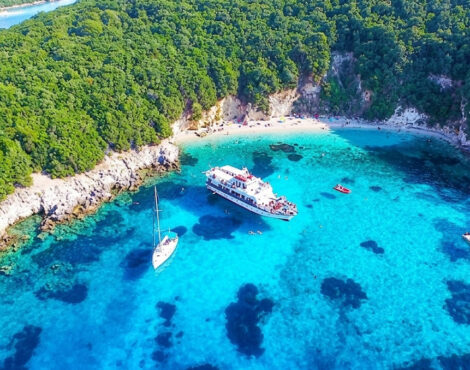
Beaches accessible by boat or on foot offer swimming in famously clear water. Monodendri, Kipiadi, and numerous unnamed coves provide pebble or rock entry into incredibly blue sea. Snorkeling reveals underwater topography and marine life.
Blue Caves along western coast rank among most photographed Ionian features. Rock formations, sea caves, and brilliant water colors create stunning natural art. Boat tours from Gaios visit caves, some large enough for small vessels entering.
Antipaxos, even smaller island south of Paxos, boasts two of Greece’s most beautiful beaches. Voutoumi and Vrika feature Caribbean-like white sand and impossibly blue water. Day trippers crowd beaches during peak hours but early or late visits find relative solitude. Several tavernas provide refreshment.
Organized tours from Corfu typically visit both islands with stops at beaches, caves, and villages. Independent travelers can take regular ferry then explore freely. Renting small boat enables accessing remote coves and caves independently. The choice between organized and independent travel depends on preferences for structure versus freedom.
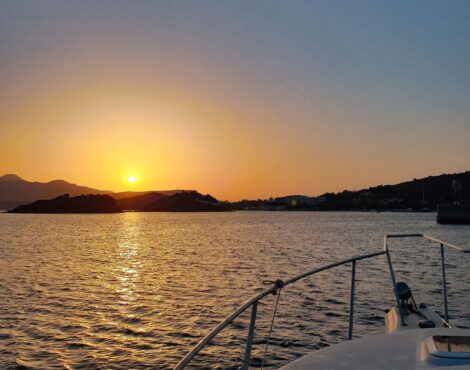
Paxos cuisine emphasizes seafood and local products. Tavernas prepare fresh fish, grilled octopus, and traditional dishes. Wine production on island creates local varieties available in restaurants. Dining waterside watching sunset constitutes perfect day trip conclusion.
Albania: Saranda and Butrint
Albania lies tantalizingly close across narrow strait. Saranda, Albanian coastal city, sits just 30-40 minutes by hydrofoil from Corfu. This proximity makes Albania accessible day trip despite international travel’s usual complexities. Passport required though most nationalities enter Albania visa-free.
Saranda itself offers pleasant Mediterranean resort atmosphere. Waterfront promenade, beaches, and developing tourism infrastructure create accessible introduction to Albania. The city, while not historically significant, provides comfortable base for deeper exploration.
Butrint ancient city, UNESCO World Heritage site 30 minutes south of Saranda, represents trip’s highlight. This archaeological park contains Greek, Roman, Byzantine, and Venetian remains spanning 2,500 years. The setting, peninsula extending into lagoon amid lush vegetation, adds natural beauty to historical interest.
Walking Butrint’s paths reveals theater, temples, baptistry with stunning mosaic floors, and city walls. The site’s relatively undeveloped state compared to major Greek ruins creates sense of discovery. Fewer crowds than Delphi or Olympia allow contemplative exploration.
Albanian lunch typically included in organized tours introduces local cuisine. Dishes show Mediterranean influences with distinct Albanian character. Byrek (savory pie), fresh seafood, and grilled meats feature prominently. The food quality often surprises visitors expecting less developed culinary traditions.
Shopping opportunities in Saranda include traditional crafts, textiles, and products unavailable in Greece. Prices generally lower than Corfu though quality varies. Albanian lek or euros both accepted widely.
Cultural differences provide part of trip’s interest. Albania’s communist past, Ottoman heritage, and current rapid development create complex cultural landscape. Observing differences while respecting local norms enhances cross-cultural experience.
Border procedures require patience particularly during peak season. Passport checks both leaving Greece and entering Albania cause delays. Arriving early for hydrofoil departure advised. Return procedures similarly require time allowance.
Language barriers minimal as many Albanians speak Greek and increasing numbers English. However, basic courtesy phrases in Albanian show respect and often receive warm responses.
Parga: Mainland Charm
Parga, Greek mainland town in Epirus region, sits approximately 90 minutes from Corfu by ferry. This picturesque destination combines Venetian architecture, beach access, and mountain backdrop creating complete package.
The town cascades down hillside toward harbor. Colorful houses, narrow streets, and waterfront tavernas create postcard scenery. Venetian castle ruins crowning hill provide historical interest and panoramic views. Climbing to castle rewards effort with vistas across town, coastline, and offshore islands.
Multiple beaches surround Parga. Valtos, Lichnos, and Kryoneri offer different characters from organized resort to quieter alternatives. Water clarity and warm temperatures make swimming appealing. Beach facilities and water sports available at main beaches.
Panagia Island, tiny islet opposite town, hosts small church reached by swimming or paddling. The island’s chapel, whitewashed and photogenic, features in countless vacation photos. Walking around island takes minutes though swimming distance requires confidence.
Dining in Parga provides mainland Greek cuisine variations. Mountain ingredients including game, wild greens, and heartier preparations reflect different culinary traditions than island fare. Tavernas along harbor offer primarily seafood while inland establishments serve meat-focused menus.
Shopping includes crafts, local products like olive oil and honey, and tourist souvenirs. Parga’s development means substantial commercial options beyond typical small town offerings.
Day trip organization usually combines ferry transport with time exploring independently or joining optional tours to nearby attractions. Acheron River, mythological underworld entrance, offers rafting or kayaking. Nekromanteion, ancient oracle site, provides archaeological interest.
Parga’s mainland location means different flora and landscape than islands. Observing these geographical differences adds educational dimension beyond purely recreational visit.
Erikoussa, Mathraki, and Othonoi
These tiny Diapontia Islands northwest of Corfu offer extreme tranquility and natural beauty. Limited tourist infrastructure, small permanent populations, and traditional character attract those seeking authentic undeveloped Greek island experience.
Erikoussa, closest and most visited of three, features sandy beach, handful of tavernas, and village with about 100 residents. The pace impossibly slow, atmosphere deeply relaxed. Walking island’s limited roads and paths occupies few hours. Swimming, eating, and relaxing constitute primary activities.
Mathraki, even smaller, hosts fewer than 50 permanent residents. Beautiful beaches including Portello and Fyki provide swimming. Accommodation options minimal though day visitors find tavernas serving simple, authentic meals. The island’s isolation creates time-travel feeling.
Othonoi, largest and farthest, marks Greece’s westernmost inhabited point. Approximately 1,000 residents during winter drop to few hundred. Rugged landscape, small beaches, and extreme tranquility characterize this remote destination. Ferry connections least frequent making day trip timing tight.
Visiting Diapontia Islands requires early morning departure and late afternoon return. Ferry journey takes 90 minutes to 2 hours depending on destination. Summer offers daily connections; shoulder season reduces frequency. Advance schedule checking essential.
What these islands lack in organized activities they compensate through authenticity and natural beauty. Visitors seeking tranquility, simplicity, and escape from tourism apparatus appreciate qualities impossible in developed destinations.
Bringing provisions advised as limited taverna availability and menu options constrain choices. Water, snacks, and sun protection essential given minimal shade and facilities.
Photography rewards the journey. Unspoiled landscapes, traditional architecture, and pure light create compelling subjects. The islands’ lack of development means undeveloped vistas impossible to find on more visited islands.
Syvota and Blue Lagoon
Syvota, mainland coastal settlement opposite Paxos, offers sheltered bays and islets creating complex waterscape. The area’s beauty attracts yachts cruising Ionian while remaining relatively undeveloped compared to major resorts.
Blue Lagoon near Syvota features calm, shallow, brilliantly colored water creating natural pool effect. The location, protected by surrounding islets, provides safe swimming for all abilities. Organized boat trips from Corfu often include Blue Lagoon stops.
Small beaches scattered around Syvota provide swimming alternatives. Some accessible only by boat enhancing exclusivity and pristine conditions. Snorkeling reveals rocky underwater landscapes supporting marine life.
Syvota village offers waterfront dining and modest shopping. The commercial development serves primarily Greek tourists and sailors rather than international tourism creating authentic atmosphere.
Combining Syvota with Parga creates full mainland day exploring multiple locations. However, time limitations mean choosing focus rather than superficial multiple-stop rushing.
Private boat charters enable customizing itineraries including Syvota, Blue Lagoon, and secluded coves. This flexibility appeals to those wanting personalized experiences beyond standard tours.
Practical Day Trip Considerations
Booking strategies vary by destination and season. Peak summer requires advance reservations particularly for Albania trips and popular Paxos tours. Shoulder season and spontaneous travelers find availability though schedule flexibility helpful.
Departure points in Corfu typically Corfu Town’s new port though some services leave from other locations. Confirming departure point and arrival time essential. Traffic delays, parking challenges, and check-in procedures require buffer time.
Tour types range from large group bus-and-ferry combinations to small boat private charters. Mass tours offer economy and organization while private options provide flexibility and intimacy. Consider preferences, budget, and group size when choosing.
Weather significantly affects day trips. Sea conditions determine ferry operations; rough seas cause cancellations or miserable journeys. Summer generally reliable though occasional storms disrupt plans. Flexibility with timing when possible prevents disappointment.
Seasickness affects some travelers. Medication, ginger, acupressure bands, and positioning on boat help. Open deck fresh air often superior to enclosed cabin. Those prone to motion sickness should consider shorter trips or land-based excursions.
Timing considerations include departure and return schedules, time at destination, and transitions between sites. Rushed itineraries prevent enjoyment while excessive time single location may bore. Matching pace to interest level creates satisfying balance.
Food and drink planning depends on destination. Some locations offer excellent dining; others provide limited options. Bringing snacks and water ensures against hunger and dehydration regardless of available facilities.
Money needs vary. Corfu uses euros; Albania accepts lek or euros; Greece maintains cash culture though cards increasingly accepted. ATMs available at major destinations though having cash prevents limitations.
Communication telling accommodation about day trip plans enables someone knowing whereabouts. Ferry delays, changed plans, or emergencies make such notification prudent safety measure.
Combining Multiple Destinations
Multi-destination tours visit several locations single day. Common combinations include Paxos with Antipaxos, Albania with Butrint, or Parga with Acheron River. These maximize exposure though reduce time at each location.
Sequential day trips across multiple days provide deeper destination engagement. Visiting Paxos one day, Albania another, and Parga third allows fuller exploration than compressed combinations. This approach suits longer Corfu stays.
Creating themed trips based on interests focuses efforts. History enthusiasts might prioritize Albania’s Butrint and Parga’s sites. Beach lovers concentrate on Paxos, Antipaxos, and Blue Lagoon. Natural beauty seekers choose Diapontia Islands and remote coves.
Environmental and Cultural Responsibility
Visitor impacts on small islands and less-developed destinations require consciousness. Respecting environments, supporting local businesses, and following guidelines maintains destination integrity.
Albania visits include cross-cultural sensitivity. Understanding different customs, current development challenges, and historical context prevents inadvertent offense while enriching understanding.
Photography ethics apply particularly in less touristed areas. Asking permission before photographing people, avoiding intrusive behavior, and respecting private property maintains respectful relations.
Waste management varies by destination. Less-developed locations lack infrastructure handling tourist-generated trash. Bringing trash back to Corfu or disposing responsibly prevents littering fragile environments.
Supporting local economies through purchases, meals, and services benefits communities visited. Choosing local operators over large international companies ensures money reaches destinations.
Corfu’s position creates launching point for Ionian region exploration. Day trips transform single island vacation into multi-destination adventure. Each excursion reveals different facets of this culturally rich, naturally beautiful area. Whether seeking beaches, ruins, cross-cultural experiences, or undiscovered tranquility, accessible day trips deliver memorable experiences enhancing overall Corfu vacation while manageable logistics maintain reasonable stress levels and energy expenditure.