
Hidden Beaches of Corfu: Discover the Island's Secret Coves
Beyond the organized beaches with their rows of loungers and beach bars lies another Corfu coastline. Hidden coves nestle between cliffs, accessible only by rough trails or sea. Narrow strips of pebbles shelter beneath overhanging rocks. Miniature bays lie forgotten where roads never reached. These secret beaches reward adventurous spirits willing to trade convenience for pristine beauty and solitude. Finding them requires effort, local knowledge, and exploratory determination, but the discoveries justify every challenging approach and uncertain trail.
Why Beaches Remain Hidden
Geography explains many hidden beaches. Corfu’s rugged coastline, particularly along western and northwestern shores, features dramatic cliffs dropping straight to sea. These vertical landscapes prevent easy access, beaches remaining isolated where topography defeated road builders.
Land ownership patterns protect some locations. Private property, though often not actively restricted, discourages casual visitors uncertain about access rights. Agricultural land extending to cliff edges creates barriers where farmers maintain traditional boundaries.
Lack of infrastructure keeps beaches undeveloped. No roads means no facilities, parking, or services. This absence, frustrating for convenience seekers, preserves natural character attractive to those seeking authenticity.
Some beaches remain hidden simply through obscurity. Never featured in guidebooks or promoted officially, they survive through local knowledge passed quietly. Social media increasingly threatens this anonymity though truly remote locations maintain secrets through access difficulty alone.
Seasonal accessibility varies dramatically. Winter storms reconfigure beaches, cover access paths, or make approaches dangerous. Summer crowds discovering locations may abandon them come autumn when effort-to-reward ratio shifts.
Small size renders some beaches practically invisible. Tiny coves accommodating perhaps ten people maximum disappear into coastline’s complexity. These pocket beaches, perfect for intimate groups, escape notice of those scanning for substantial stretches of sand.
Northern Hidden Coves
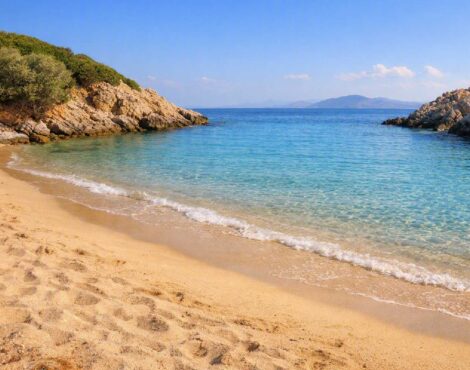
Cape Drastis area, though famous for geological formations, contains lesser known coves beyond main viewpoint. Walking past tourist congregation points reveals additional inlets accessible via scrambling. The white cliffs and turquoise water create surreal beauty rarely photographed compared to famous views.
Between Peroulades and Sidari, rough coastal paths access small pebble beaches beneath cliffs. These require confident scrambling and comfort with exposed trails. The beaches themselves offer excellent swimming in clear water with interesting rock formations for snorkeling.
Avlaki to Kassiopi coastal stretch hides numerous tiny coves. Some accessible by boat only while others reached via paths through olive groves and scrub. Local inquiry or exploration reveals access points not marked or obvious from roads above.
Nissaki area’s multiple small bays include several without development. Steep paths descend from coastal road to pebbly shores. These maintain relative quiet even peak season due to limited beach size and parking.
Agni Bay’s famous tavernas overshadow smaller unnamed coves north and south. Walking paths connect these miniature beaches offering solitude minutes from busy central beach. Crystal clear water and pebble bottoms provide excellent swimming.
Western Coast Secrets
The west coast from Paleokastritsa northward contains numerous hidden beaches between better known locations. Erosion creates small pocket beaches where streams meet sea, their seasonal flows cutting access gullies through cliffs.
South of Glyfada, rough tracks and trails lead to isolated beaches. Four-wheel drive or hiking required, these locations see minimal visitors despite proximity to popular areas. The effort filtering casual beachgoers ensures tranquility.
Myrtiotissa’s famous beach overshadows even more secluded locations nearby. Coastal trails north and south reach coves where naturist traditions flourish free from even Myrtiotissa’s moderate development.
Ermones area contains hidden beaches accessible via steep trails from cliff-top roads. These challenging descents discourage most visitors. Those making effort discover excellent swimming and dramatic cliff scenery.
Pelekas area’s famous Kontogialos overshadows smaller beaches along same coastal stretch. Walking beyond organized areas reveals natural coves where rock formations create interesting topography and pools.
Boat-Access-Only Locations
Truly remote beaches require water approach. Renting small boats or hiring water taxis opens coastline unreachable otherwise. These marine adventures reveal Corfu’s secret shore from sea perspective.
Northeastern coast from Kassiopi toward Barbati contains numerous small coves visible only from water. Cliffs prevent land access making boat essential. These pristine locations offer anchoring opportunities and excellent snorkeling.
Offshore islets and rocks around Corfu’s perimeter sometimes feature miniature beaches. Reached only by boat, these ultimate hidden locations provide Robinson Crusoe experiences. Swimming ability essential as boats anchor offshore requiring swimming to beach.
Sea caves occasionally contain pocket beaches accessible at low tide or calm conditions. These magical locations, half cave half beach, create unforgettable settings. Safety considerations regarding sea state and tides essential.
Paleokastritsa’s famous coves overshadow numerous similar formations along same coastal section. Boat hire or tour boats willing to explore beyond standard routes reveal additional beautiful locations.
The channel between Corfu and Paxos contains isolated beaches on both islands’ facing shores. These calm-water locations benefit from protection between landmasses creating excellent swimming conditions.
Access Techniques and Trail Finding
Coastal path walking provides primary access method. These unofficial trails, created by local usage over generations, follow cliff edges and gullies. Finding trailheads requires observation and sometimes inquiry.
Google Earth and satellite imagery helps identify potential beaches and approach routes. Studying topography before visiting enables planning access strategies. However, satellite images don’t show vegetation density or trail condition requiring on-ground assessment.
Local knowledge remains invaluable. Asking long-term residents, fishermen, or hotel staff uncovers information unavailable otherwise. Genuine interest and respectful inquiry usually yields helpful directions.
Following other beachgoers provides trails. Observing where locals go, particularly weekends and evenings, reveals access points. However, discretion and respect for others’ secret spots maintains good relations.
Four-wheel drive vehicles access rough tracks ending near some beaches. However, vehicle damage risk and private land concerns require caution. Walking final distances often preferable to pushing vehicle limits.
GPS coordinates shared through apps and websites help but vary in accuracy. Treating coordinates as approximate and applying common sense prevents following bad information off cliffs or onto private property.
What Makes Beaches Special
Natural beauty defines hidden beach appeal. Absence of development means nature remains unmodified. Rock formations, vegetation, and natural processes create beaches as geology and ecology intended.
Water quality typically exceeds organized beaches. Fewer swimmers, no facilities discharge, and natural circulation maintain clarity. Snorkeling reveals abundant marine life thriving in undisturbed conditions.
Solitude represents primary attraction for many. Escaping crowds, finding personal space, and experiencing nature without human intrusion provides psychological benefits impossible at busy beaches.
Nudist traditions thrive at isolated locations. Those seeking clothing-optional swimming find acceptance at remote beaches where privacy and tolerance prevail. Respectful behavior maintains these informal nudist beaches.
Adventure and discovery appeal to exploratory personalities. Finding hidden beaches satisfies curiosity and achieves accomplishments unavailable through conventional tourism. The journey becomes as rewarding as destination.
Photography opportunities exceed ordinary beaches. Unique features, dramatic settings, and absence of beach furniture create natural compositions. These locations inspire artistic interpretation beyond typical vacation snapshots.
Practical Considerations
Water sufficiency crucial as hidden beaches lack facilities. Carrying adequate hydration for full day plus safety margin prevents problems. Dehydration in remote locations creates emergencies requiring difficult rescues.
Food and snacks necessary for extended visits. No beach bars or vendors mean bringing everything needed. Cooler bags, proper containers, and planning ensure comfortable all-day stays.
Sun protection essential at exposed locations. Natural shade often minimal on open beaches. Umbrellas, shelters, or portable shade structures enable long stays without excessive sun exposure.
Waste management entirely visitor responsibility. Pack out everything brought in. Hidden beach preservation requires zero-trace practices. Leaving garbage destroys precisely what makes locations special.
First aid preparation more important without nearby assistance. Basic supplies handle minor injuries preventing small problems becoming serious. Remote locations demand self-sufficiency medical response.
Communication devices provide safety backup. Mobile coverage varies but having charged phone enables calling help if emergencies develop. Satellite communicators provide ultimate backup in coverage gaps.
Environmental and Social Responsibility
Erosion prevention requires staying on established trails. Creating new paths damages vegetation and accelerates erosion. Using existing routes, however rough, minimizes environmental impact.
Marine life protection means respecting wildlife and habitats. Avoid disturbing nesting areas, touching marine creatures, or removing natural objects. Observation without interference maintains ecosystem integrity.
Volume control preserves atmosphere. Loud music, shouting, and disruptive behavior destroy tranquility others seek. Respecting shared space and keeping noise minimal shows consideration.
Group size awareness prevents overwhelming small locations. Large parties transform intimate coves into crowded spaces. Splitting groups or choosing less constrained beaches maintains quality for everyone.
Photography ethics includes respecting others’ privacy. Asking permission before photographing people, avoiding posting identifying location details, and considering impact of social media sharing balances documentation with preservation.
Property rights respect prevents access conflicts. Where beaches cross private land, seeking permission, following designated paths, and appreciating landowner tolerance maintains ongoing access.
Seasonal Considerations
Spring offers excellent conditions with moderate temperatures, blooming coastal vegetation, and minimal crowds. Water temperature rises through season making swimming increasingly pleasant.
Early summer provides peak conditions before main tourist season. June particularly balances warm weather, comfortable water, and manageable visitor numbers.
Peak summer brings warmest water and longest days but increased beach finding by others. Arriving early morning or staying late evening provides relative solitude even at discovered locations.
Autumn extends swimming season with warm water and decreasing crowds. September and early October offer perhaps optimal conditions combining summer warmth with quieter beaches.
Winter transforms beaches dramatically. Storm watching, solitary walks, and dramatic seas replace summer swimming. Different appeal attracts hardy souls appreciating wild coastal beauty.
Alternative Perspectives
Kayaking enables beach hopping along coastlines. Paddling reveals access and perspectives unavailable from land or motorboat. The slow pace and maneuverability accesses locations larger vessels cannot.
Stand-up paddleboarding provides similar advantages in calmer conditions. SUPs navigate shallow areas and tight spaces while offering elevated viewpoints spotting beaches from offshore.
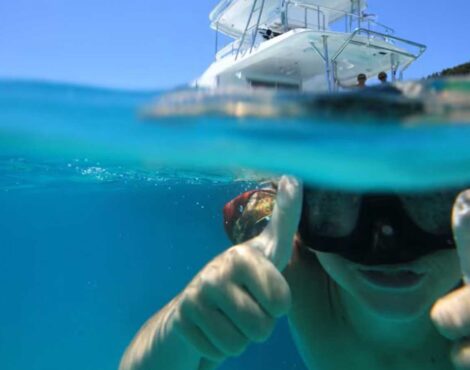
Snorkeling explores underwater extensions of beaches. Rocky shores supporting marine life transform into fascinating underwater landscapes. The coastline’s vertical dimension equals surface beauty.
Coastal camping, where permitted, enables multi-day beach explorations. Base camping centrally allows radiating to different locations daily while experiencing coastline across lighting and tidal conditions.
Photography projects documenting hidden beaches create personal records while potentially raising awareness. Balance between sharing beauty and preserving secrecy challenges photographers committed to both.
Scientific observation including tide pooling, bird watching, and botanical surveys enriches beach visits beyond recreation. Contributing citizen science data adds purpose to exploration.
Corfu’s hidden beaches represent counterpoint to organized tourism. They require effort, self-sufficiency, and environmental responsibility but reward with experiences impossible at conventional destinations. These secret shores, threatened by social media exposure and increasing visitor pressure, depend on respectful discovery maintaining what makes them special. Those finding these gems bear responsibility preserving their character for future adventurers willing to seek beauty beyond the obvious and convenient.