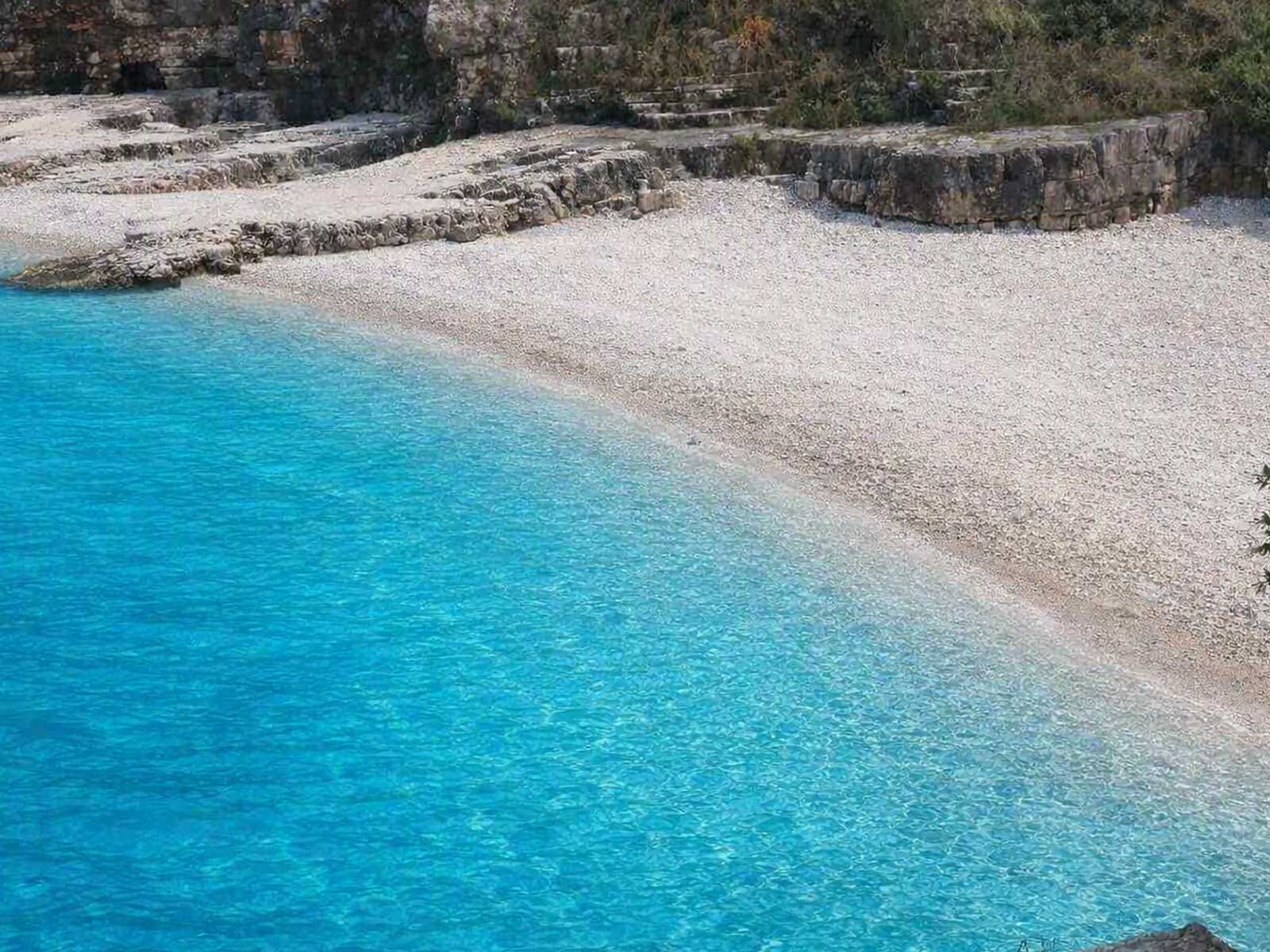
Corfu is not a single place. It is, like most islands of any significant size and history, a collection of places that share a geography and a name but that have developed different characters, different relationships with the forces that have shaped them, and different expressions of what it means to be part of the island community. The tourist industry, which has been the dominant shaping force of the Corfiot landscape for the past half century, has had different effects on different parts of the island, and the spectrum of those effects is most dramatically visible in the contrast between the two ends of the island’s elongated geography: the southern cape around Kavos and the northeastern harbour of Kassiopi.
Autumn reveals this contrast most completely. The September and October reduction in tourist numbers has a clarifying effect on the character of every destination on the island, stripping away the peak season overlay and exposing the underlying character of each place with a directness that the summer months, with their crowds and their energy and their noise, partially obscure. What autumn reveals at the two ends of Corfu is a story of how differently the same economic force can act on different communities, and what it means for a place to have a character that the tourist economy has shaped but not replaced.
Kavos: The Southern Cape and Its Season
Kavos occupies the southernmost tip of Corfu, a long sandy beach and the resort development that has grown up behind it over the past three or four decades forming a destination that is, in July and August, as completely oriented toward the young tourist market as any destination in the Greek islands. The beach clubs and the late-night bars and the entertainment infrastructure of the Kavos peak season serve a demographic that is looking for a specific and very clearly defined holiday experience, and the village, if it can still be called a village, has organised itself almost entirely around the provision of that experience.
The natural assets that originally recommended the site are still present beneath the development. The beach of Kavos, one of the longest and sandiest on the island, faces south into the open sea with an exposure that makes it excellent for windsurfing and that gives it a slightly more oceanic character than the more sheltered beaches of the east and northeast coasts. The dune system and the scrub vegetation behind the beach, the landscape in which the resort development is embedded, retain in the areas that the construction has not directly occupied the natural character of a southern cape at the edge of the Ionian world.
In autumn, with the peak season crowd departed and the entertainment infrastructure operating at reduced capacity or closed entirely, Kavos reveals this underlying natural character with a directness that the summer months specifically prevent. The beach in September or October is the beach that the natural setting produced before the resort development arrived: long, sandy, largely empty, and backed by the dune vegetation that the undeveloped sections of the cape still carry. The visitor who arrives at Kavos in October and walks the full length of the beach in the October morning light, with the southern sea ahead and the island’s interior behind and no evidence of the summer crowd that was here two months ago, is walking in a landscape of genuine natural quality that the summer season’s tourist concentration makes invisible.
The village of Kavos itself, in autumn, is the resort in its off-season condition: the bars and clubs closed or operating minimal hours, the shops shut or barely open, the streets that in August were the scene of the specific kind of animated nocturnal activity that the peak season resort economy produces now quiet with the quiet of a place whose reason for being at full operation has temporarily departed. This off-season resort quality is not unattractive in its own terms. There is something clarifying and even poignant about a destination seen without the population it was built for, and the autumn Kavos has a quality of honest exposure that the summer’s full operation conceals: the resort as it actually is rather than the resort as the peak season presents it.
Kassiopi: The Village That Kept Its Character
The contrast with Kassiopi, at the opposite end of the island’s geography if not of its tourist development spectrum, is the contrast that autumn makes most apparent and most instructive about the two possible relationships between an island community and the tourist economy that surrounds it.
Kassiopi is not an undeveloped or untouched fishing village. It has been a tourist destination for decades, and the infrastructure that serves summer visitors, the hotels and restaurants and shops that occupy the harbour area and the streets immediately behind it, is present and visible and clearly the product of the same tourist economy that has transformed every other part of the island. The difference between Kassiopi and Kavos is not that one has been affected by the tourist economy and the other has not. It is that Kassiopi’s development has occurred alongside its original character rather than in replacement of it.
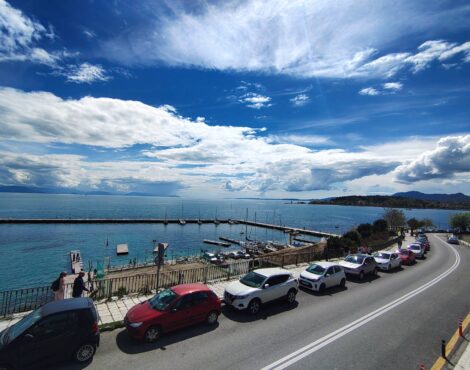
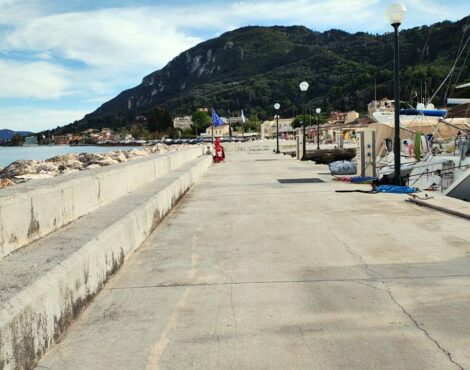
The fishing boats that occupy the harbour of Kassiopi in October are not decorative relics of a past that the tourist economy has replaced. They are working boats, their captains the members of the community whose primary relationship with the sea is the practical one of people who earn their living from it. The tavernas of the Kassiopi waterfront that serve the October visitor are the same tavernas that serve the local fishermen’s morning coffee and that receive the catch from the boats in the harbour with the directness of establishments whose connection to the fishing economy is daily and functional rather than promotional.
This connection between the village and its original character is what the autumn reveals most completely. In the summer months, the tourist overlay on Kassiopi is substantial, the cafes and the restaurants full of the visitor population and the village operating primarily as a tourist destination rather than as the fishing community that it also is. In September and October, the tourist overlay thins and the original character reasserts itself with increasing completeness as the season advances. The October Kassiopi, with the boats in the harbour and the local population in the kafeneion and the Byzantine castle above the village lit by the October afternoon sun, is the Kassiopi that the village has always been beneath the summer tourist season and that it returns to each year with the reliability of a place whose identity is more durable than any seasonal overlay.
The Byzantine Castle and the Ancient History
The ruins of the Byzantine castle above Kassiopi, visible from the harbour and from the beaches below the headland and accessible by a short walk from the village centre, add a historical dimension to the Kassiopi experience that distinguishes it from the purely resort character of Kavos and that the autumn visitor has the time and the quiet to engage with properly. The castle occupies the highest point of the Kassiopi headland, its walls enclosing an area of considerable extent that the successive occupations of the site, Byzantine, Angevin, Venetian, and later, have filled with the accumulated architectural evidence of each period’s particular relationship with this strategically significant position.
The view from the castle in October, across the northeastern channel to the Albanian coast and north toward the cape above which the island’s coastline turns west, is the view of a strategically significant position whose importance the successive powers that occupied it understood and that the natural geography of the headland makes immediately apparent to the visitor who climbs to the ruins and looks out across the water that the castle was built to command. In the October clarity, the Albanian mountains across the channel have the sharp definition of the early autumn atmosphere, and the full extent of the Ionian visible from the castle walls communicates the geographical significance of this northeastern point of the island with a directness that the summer haze partially obscures.
The Road Between: The Island in Between
The road from Kavos in the south to Kassiopi in the north, following the length of the island through its varied interior and coastal landscapes, is the road through the full spectrum of what Corfu is and has become under the influence of the tourist economy and the agricultural history that preceded it. The journey from one end to the other, made in September or October when the tourist traffic that fills the roads in August has reduced to the levels that allow the road to be experienced as a route through a landscape rather than a queue, reveals the island in the form that its full geography and its full social history produce.
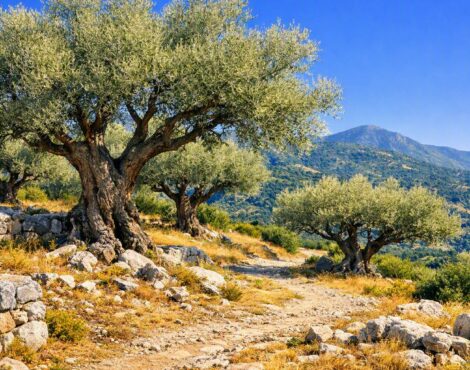
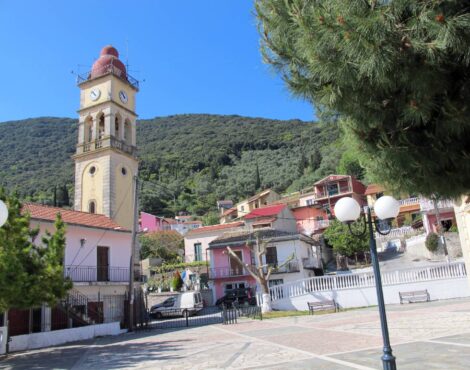
The agricultural interior of the central and southern island, the olive groves and the village squares and the roadside markets of the Corfiot countryside, is the landscape of the island between its tourist extremes, and it is in many ways the most genuinely Corfiot of all the landscapes the road passes through. The villages between Kavos and Kassiopi, from the agricultural communities of the south to the mountain settlements of the northeast, represent the continuous and enduring character of a place that has been shaped by its agricultural identity for far longer than it has been shaped by its tourist one, and the road that connects the two ends of the island passes through this continuous identity with the directness of a route that does not avoid the ordinary in favour of the spectacular.
Understanding Corfu in Autumn
The journey from Kavos to Kassiopi in September or October is the journey through the full range of what Corfu is: the place that the tourist economy has most completely replaced, the place where the two have coexisted, the agricultural interior that neither has fully reached, and the full spectrum of the island’s history and character between. For the guest at Kapella Apartments who wants to understand the island they are staying on more completely than the beach and the boat trip and the taverna dinner allow, this journey through the island’s full length in the quiet of the autumn months is the most directly educational and most personally rewarding experience of the Corfiot geography that the season provides.
The two faces of Corfu, the resort face of the south and the village face of the north, are the faces that the island presents when the tourist season is at its fullest. The face that the autumn reveals, between and beneath these two extremes, is the face of the island itself: the agricultural landscape, the village community, the ancient olive groves, and the sea that has surrounded and shaped and sustained this place for longer than any of the other forces that have left their mark on it. This is the face that September and October reveal most clearly, and it is the face that the guest at Kapella Apartments, in the quiet of the hidden season, is most perfectly positioned to discover.