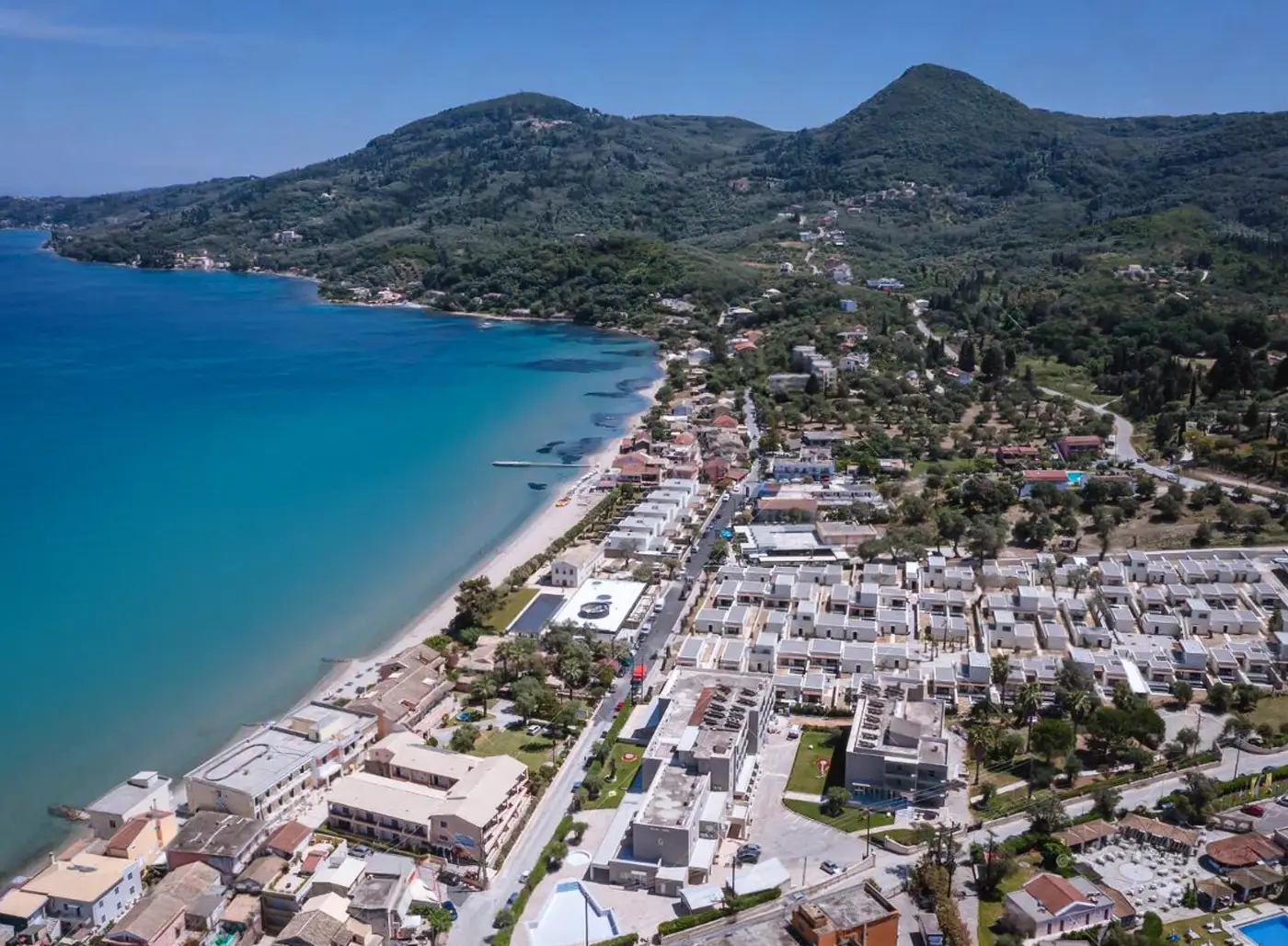
Messonghi and Moraitika are two neighboring areas in southeastern Corfu that present an interesting example of transformation from small settlements into modern tourist resorts, combining contemporary facilities with natural beauty, both on land and at sea.
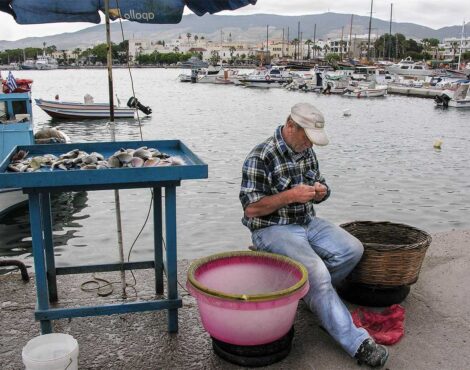
Stepping back in history, Moraitika was an area of significant commercial importance during the Roman period and the years that followed. This is evidenced by the ruins of Roman houses and baths that still stand in the area, located next to the main road that crosses the modern settlement. Both Moraitika and Messonghi continued to exist as typical small settlements of the Corfiot countryside until modern times, relying primarily on fishing and agriculture for their survival. The inhabitants were engaged in the cultivation of olive trees, the production of olive oil, and fishing in the rich waters of the Ionian Sea. Their isolation from Corfu’s main urban centers preserved their traditional way of life for many decades.
In the 1970s, Corfu began to emerge as a popular tourist destination, attracting visitors from all over Europe. The natural beauty of Messonghi and Moraitika’s beaches, combined with clear waters and a mild climate, caught the attention of the first tourists. This growing demand led locals to invest in tourism infrastructure, such as rental rooms, taverns, and small hotels. One of Corfu’s first large hotels was built in Messonghi, which continues to accommodate visitors to this day. On the other hand, Moraitika had already gained a reputation as a tourist destination by the 1970s, hosting numerous visitors and featuring well-known clubs that attracted guests from all over southern Corfu.
Over the years, tourism development in the two areas accelerated. In Messonghi, near the mouth of the river of the same name, seafood taverns were established, offering fresh fish and seafood, while in Moraitika, between the main road and the beach, a large area with hotels, apartments, restaurants, bars, and nightclubs was developed. The beach of Moraitika, with its mix of sand and pebbles and shallow waters, became particularly popular with families with children.
For those seeking a different tourist experience, exploring the hidden beauties of the surrounding areas is highly recommended. Walking along some of the most picturesque trails of the island, near the Messonghi River and under the famous Corfiot olive groves, is a unique experience. These olive groves form a distinctive natural phenomenon, hosting one of the most famous fruits of the Mediterranean and at least four million olive trees.
The evolution of these areas from ancient times to the present, and from small rural villages to modern tourist resorts, serves as an example of how tourism can transform a region, influencing its economy, society, and environment. This transformation reflects the delicate balance between preserving local traditions and embracing economic progress through tourism.
Despite their growth and modernization, Messonghi and Moraitika still manage to offer visitors a mix of old-world charm and modern comforts. Whether seeking relaxation on the beach, exciting nightlife, historical exploration, or outdoor adventures, these twin resorts cater to all tastes. Their journey from humble fishing and farming villages to thriving holiday destinations is a testament to Corfu’s enduring appeal and adaptability to the changing tides of tourism.
Ultimately, Messonghi and Moraitika provide more than just a vacation spot; they offer a glimpse into Corfu’s transformation over the centuries, making them an essential stop for anyone wishing to experience the island’s rich history, culture, and natural beauty.