September Wildlife in Corfu: Autumn Migration and the Return of the Birds
The spring migration that fills Corfu’s skies and olive groves with the northward movement of millions of birds in April and May has a less celebrated but equally significant counterpart in the autumn months. September brings the first substantial pulse of the southward migration, the birds that have spent the northern summer breeding in Scandinavia and northern Europe and that now begin the return journey to their African wintering grounds, following the same ancient routes through the Mediterranean that their ancestors have used for millions of years and that the geography of the continent, the island chains and the coastal flyways and the mountain passes that concentrate the migration into predictable corridors, continues to define.
Corfu, positioned at the point where the Adriatic and the Ionian seas meet and where the Albanian and Greek coastlines provide the last significant land before the open sea crossing toward the African coast, receives a disproportionate share of this southward migration traffic. The birds that cross the Albanian mountains from the north and encounter the Ionian Sea at this point find in Corfu’s varied habitats the rest and the feeding opportunity that a long sea crossing requires, and the September visitor to the island who attends to the natural world beyond the beach and the taverna discovers an island in the process of one of the most extraordinary natural events of the European calendar.
The Ropa Valley in September
The Ropa Valley, the broad agricultural plain in the centre of the island that is Corfu’s premier birdwatching location throughout the year, reaches one of its finest periods of wildlife activity in September. The combination of the wetland margins of the Ropa river system, the agricultural land of the valley floor, and the scrub and reed bed habitats of the surrounding area provides the variety of feeding environments that the diverse range of migrating species requires, and the valley in September is alive with the movement of birds in a way that the midsummer, when the breeding season has concluded and the resident species have settled into the post-breeding quiet, does not produce.
The warblers and the flycatchers that are the most numerous components of the September migration pass through the Ropa Valley in waves, their presence in the scrub and the reed beds making itself known by the constant movement and the occasional song that the males of certain species produce even in the autumn migration context. The Ropa Valley scrub in September can be alive with these small migrants, the bushes moving with the activity of birds feeding urgently on the insects and the berries that the autumn provides, and the patience to stand still at the edge of appropriate habitat and wait for the activity to reveal itself produces a September birdwatching experience of considerable richness even for the observer without a list of target species.
The raptors that use the Ropa Valley as a staging area during the September migration are among the most spectacular of the season’s wildlife spectacle. The honey buzzard, a large and distinctively patterned hawk that is one of the most sought-after migrants of the European autumn passage, passes through Corfu in reasonable numbers in September, its broad wings and its particular flight style making it identifiable to the experienced observer from considerable distances. Short-toed eagles, osprey, and the various smaller raptors that the autumn migration produces in the Mediterranean region add to the raptor interest of the September valley, and the late afternoon soaring that migrating raptors engage in before roosting provides some of the finest observation opportunities of the September wildlife programme.
Lake Korission: The Wetland Spectacle
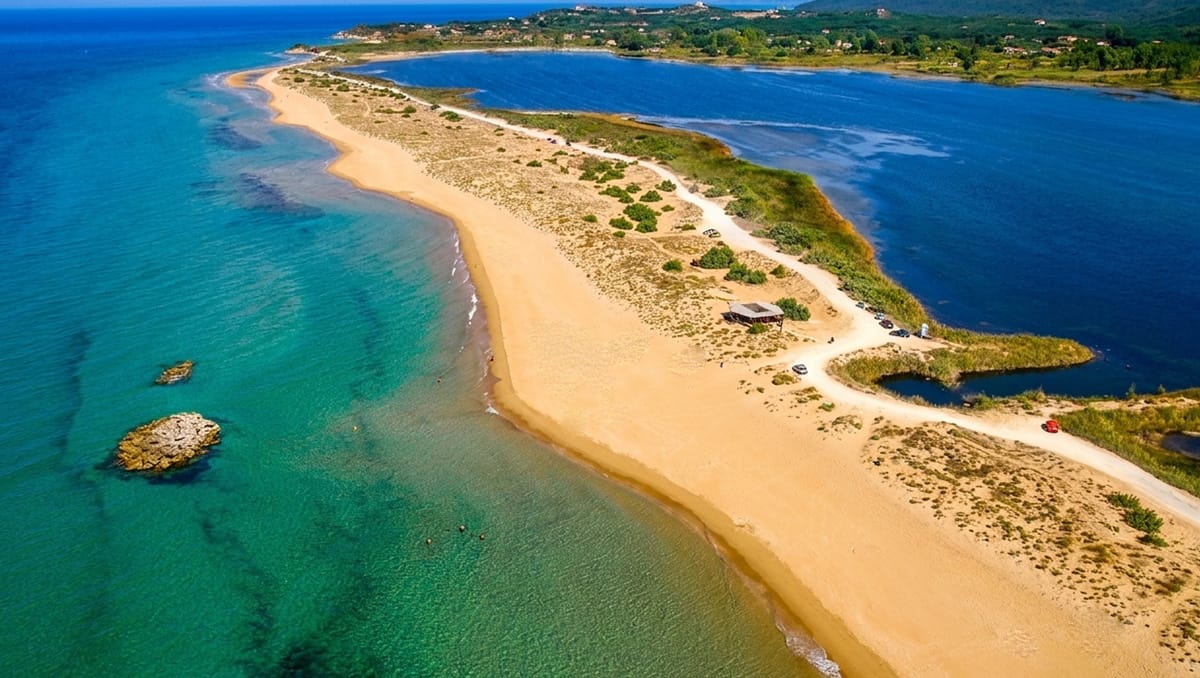
The coastal lagoon of Lake Korission in the south of Corfu, separated from the sea by the narrow dune system of the island’s most extensive sand beach, provides a September wildlife experience that complements the Ropa Valley’s more diverse habitat mosaic with the particular richness of a coastal wetland receiving the full pressure of the autumn migration. The lagoon, with its combination of open water, reed bed margins, and the coastal scrub of the dune system, attracts a variety of wetland species in September that the inland habitats of the Ropa Valley do not consistently produce.
Waders are the speciality of Korission in September, and the shallow margins of the lagoon attract a succession of species moving through in the pulses of migration activity that the September weather systems produce. Little stints, dunlin, common sandpiper, and the various other small waders that characterise the autumn wetland scene in the Mediterranean appear at the lagoon margins with the restless, feeding urgency of birds that have a long journey ahead of them and that the Korission lagoon provides the ideal refuelling opportunity for. The occasional larger and more unusual species, the marsh sandpiper or the black-tailed godwit or the variety of heron and egret that the larger wetland habitats attract, adds the element of unpredictability that the finest September wildlife watching always contains.
The dune and scrub habitat between the lagoon and the sea is excellent for small migrants in September, the bushes and the low scrub providing the cover and the feeding opportunities that the warblers and the flycatchers and the various other small passerines of the autumn migration seek after the crossing of the sea. A morning at Korission in September, moving between the lagoon margins for the waders and the coastal scrub for the passerine migrants, provides one of the most varied and most rewarding wildlife watching experiences available on the island in the early autumn month.
The Olive Groves: The Migrant Woodland
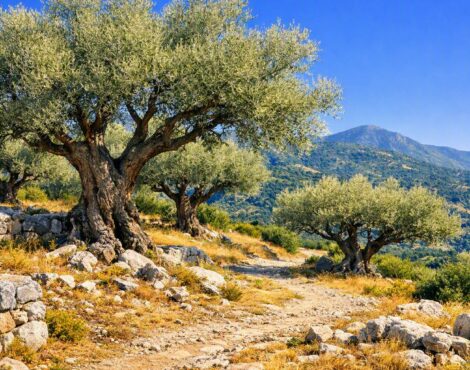
The ancient olive groves that cover so much of the Corfiot landscape, and that provide the most immediately characteristic visual element of the island’s countryside, are in September important habitats for the migrating woodland species that the autumn passage brings through the island. The groves, with their combination of the shade and the insect life and the occasional fruit that the migrating birds require for refuelling, receive and hold the woodland migrants with the same function that the scrub and the wetland habitats of the Ropa Valley provide for the species suited to those environments.
Walking slowly through the olive groves in the early September morning, before the heat of the day has built and when the migrating birds are at their most active in their feeding, produces a wildlife experience of the most directly accessible kind: the movement of a warbler through the leaves above, the flash of a flycatcher from a branch at eye level, the distant call of a species identifying itself from somewhere within the grove without revealing its position to the casual observer. The olive grove in September is the habitat of the patient and the attentive, rewarding the slow walk and the still observation with a variety of migrant species that the hurried passage through the same grove produces not at all.
The golden oriole, one of the most visually spectacular of all European migrants and a species that the spring migration brings through Corfu in numbers that make it the target of visiting birdwatchers from across Europe, is less reliably present in the autumn than in the spring but still occurs as a September migrant in the island’s olive groves. The male’s extraordinary combination of deep yellow and black, visible even through the dense foliage of the September olive canopy when the bird moves into a position of even brief exposure, is one of the most immediately and completely rewarding wildlife sightings available in the Mediterranean autumn.
The Marine Wildlife of September
The September wildlife watching experience in Corfu extends beyond the terrestrial and the aerial to include the marine dimension that the exceptional clarity of the early autumn sea makes most directly accessible. The inshore waters around the island in September, their clarity at the annual maximum after the peak season disturbance has subsided, reveal the marine life of the Mediterranean inshore zone with a completeness and a detail that the snorkeller and the diver at the surface can access without specialist equipment beyond the mask and the fins.
The marine wildlife visible through the September water column from the snorkelling position above it includes the full community of fish and invertebrate life that the summer has established in the inshore zones: the territorial damselfish defending their patches of algae, the grouper in the shadowed sections of the rocky terrain, the octopus in the crevices, and the various sea bream moving through the water column in the unhurried way of fish that have been resident in these zones throughout the season and that the September clarity makes visible at distances and with a detail that the summer’s slightly reduced clarity does not consistently produce.
September Wildlife and the Kapella Apartments Stay
For guests at Kapella Apartments with an interest in the natural world beyond the beach and the garden, September provides the most complete wildlife watching programme of the season. The morning in the Ropa Valley for the autumn migration, the afternoon at Lake Korission for the wetland spectacle, the slow walk through the olive groves of the surrounding countryside for the woodland migrants, and the snorkelling session in the September sea for the marine life of the exceptional clarity: these are the components of a September wildlife programme that the peak season months, however beautiful their conditions, cannot provide in the same combination of variety, accessibility, and natural richness.
The September natural world of Corfu, experienced from the Kapella Apartments base and engaged with the attentiveness that the quieter island and the unhurried pace of the early autumn month make possible, delivers a dimension of the island experience that the beach and the taverna and the boat trip, essential and rewarding as they are, does not include. The migrating birds passing through the Ropa Valley on their way to Africa, the waders feeding at the Korission lagoon margins, the woodland migrants in the olive groves of the surrounding countryside: these are the September natural events that the island provides to those who look for them, and Kapella Apartments is the base from which the looking is most naturally and most rewardingly conducted.