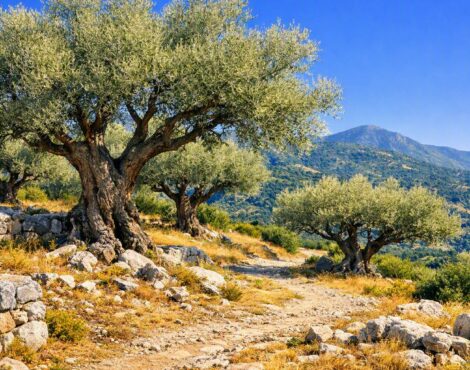
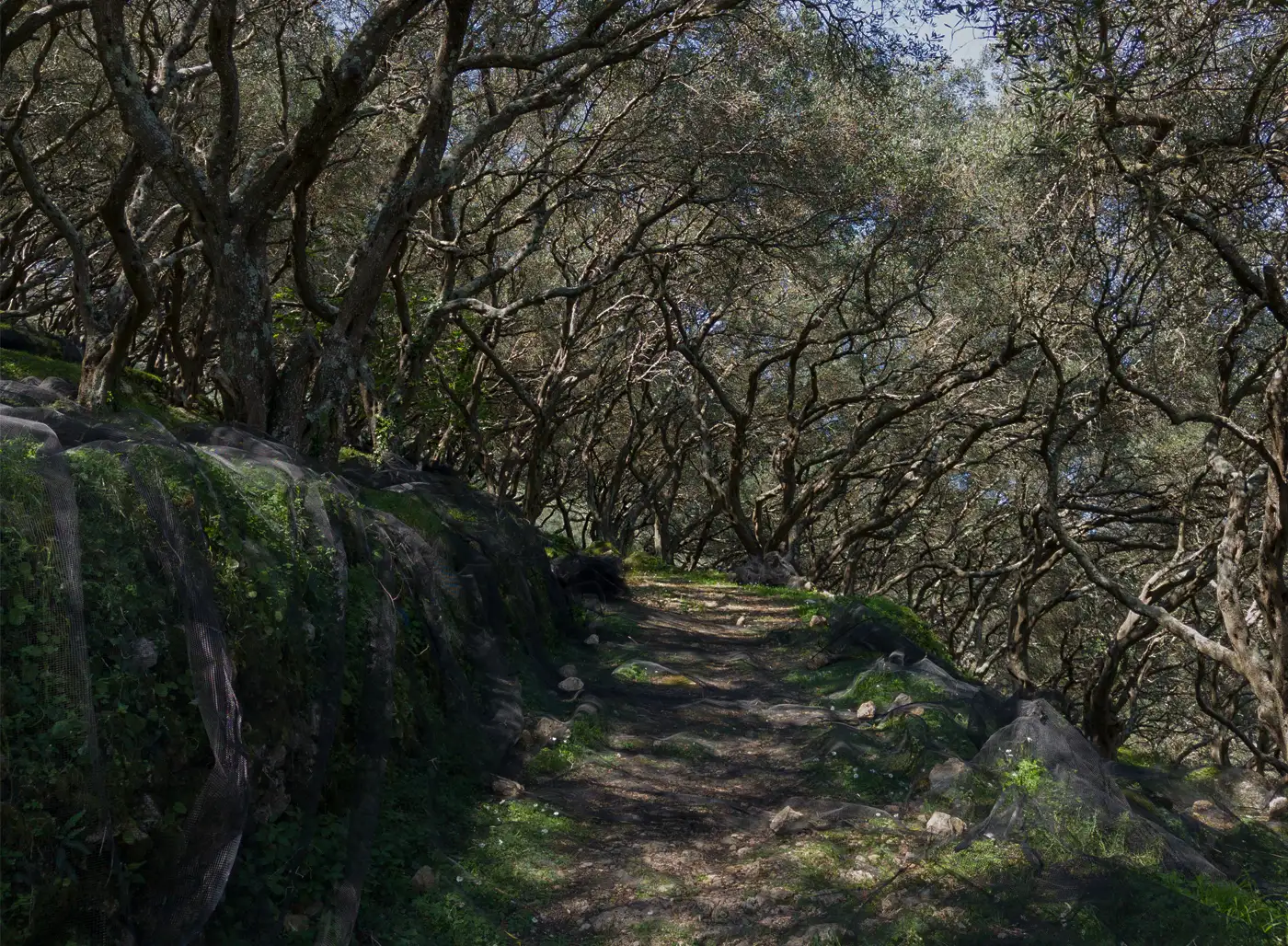
Corfu is renowned for its golden beaches, stately city mansions, Venetian architecture, and its vibrant cultural identity. However, beyond the popular tourist attractions and bustling hotspots, there lies a different world—one filled with tranquility, authenticity, and natural beauty: the world of Corfu’s trails. These trails weave through olive groves, beaches, gorges, hills, and traditional villages, forming a bridge between past and present, between humanity and nature. Today, these trails are experiencing a revival, becoming a magnet for hikers, nature lovers, photographers, and travelers who seek alternative forms of recreation.
The trails of Corfu are not merely physical pathways; they are historical footprints. For centuries, long before asphalt roads and motor vehicles made their appearance, these trails were the sole means of connection between villages, churches, monasteries, and cultivated lands. Thousands of people once traversed them daily—on foot or with animals—transporting goods, letters, news, and traditions. Each trail carries its own story and symbolism. Many lead to small chapels where locals used to walk to attend services; others to springs where they gathered water. Some connect coastal areas with mountainous villages, forming a network that reveals the island’s geographical diversity and the structure of its social life.
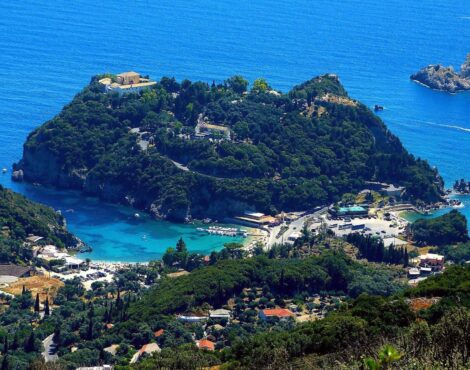
The most well-known and organized trail on the island is undoubtedly the Corfu Trail. This impressive hiking route stretches for many kilometers across the island, running from the southern tip to the northernmost point. It crosses beaches, forests, hills, villages, and secluded areas that one wouldn’t typically find on a conventional tourist map. Corfu also boasts unique coastal trails that connect remote beaches or offer breathtaking views of the Ionian Sea. One of the most popular routes is the Paleokastritsa–Angelokastro trail, which passes through olive groves and steep cliffs before reaching the famed Angelokastro—a stunning lookout that offers sweeping views of caves and the turquoise waters of Paleokastritsa.
Similarly, western Corfu conceals hidden gems like the trail connecting Glyfada beach to various spots including the Monastery of Myrtiotissa. These paths are ideal for those eager to explore the island’s unspoiled side and reach beaches that are inaccessible by car. The very fact that such places can only be reached on foot preserves their charm and rewards the traveler with a sense of discovery and serenity that mass tourism often lacks.
The island’s interior, far from the tourist centers, hosts dozens of trails that traverse mountains and hills. The Mount Pantokrator, Corfu’s highest point at 906 meters, offers spectacular circular routes. Starting from the surrounding villages, hikers can ascend to the summit through pastures, ancient stone-paved paths, and abandoned settlements. One notable trail runs from the village of Spartilas to Pantokrator—a route rich in both natural beauty and historical significance, as it was once the main path for locals accessing the monastery atop the mountain. Along many of these trails, travelers will come across old fountains, small chapels, and traces of the traditional rural lifestyle. These elements, once part of daily life, now serve as cultural landmarks and heritage resources that lend depth and meaning to every journey.
Today, Corfu’s trails are coming back to life. Local communities, volunteers, and environmental organizations have taken the initiative to document, clean, and mark old routes that had been forgotten or overgrown with vegetation. Revitalizing these trails is not merely about enhancing tourism—it is a catalyst for local development, preservation of cultural and natural heritage, and the promotion of gentle, sustainable tourism. Hiking tourism attracts respectful visitors, those who seek authenticity and meaningful experiences in direct contact with nature and tradition. This form of tourism helps extend the tourist season beyond the summer months and economically supports small businesses, guesthouses, and local producers who might otherwise struggle to survive.
The trails of Corfu are more than paths through nature. They are journeys into the essential. They invite the visitor to leave behind speed, noise, and superficiality, and to walk with all their senses open. To listen to the rustling of leaves, to inhale the scent of sage and rosemary, to share a conversation with a shepherd along the way, to observe the remains of an old house and feel part of a living land that still has stories to tell.