
The Venetian rule in Corfu was one of the most significant and long-lasting periods in the island’s history, lasting from 1386 to 1797. For over four centuries, Corfu was under the dominance of the Most Serene Republic of Venice, which profoundly influenced the island’s administration, economy, social structure, culture, and architecture. Venetian rule provided Corfu with relative security from Ottoman raids, strengthened its commercial activity, and left an indelible mark on the island’s identity, which remains evident to this day.
Before Venetian rule, Corfu had passed through various hands, including the Roman Empire, Byzantium, the Normans, and the Despotate of Epirus. In 1386, after Corfu fell to the Neapolitans, the island’s inhabitants sought the protection of Venice. The Venetian administration accepted the request, as Corfu held strategic importance for controlling trade in the Adriatic and Ionian Seas. Thus, a new period began in which Corfu was integrated into the Venetian state as a key stronghold.
Venice imposed a strict aristocratic system of governance on Corfu. Political power belonged exclusively to the local aristocracy, recorded in the Libro d’Oro (Golden Book), which listed the noble families of the island. The Council of Nobles was responsible for governance and law enforcement, while Venice appointed a Venetian Bailo (Bailo) or Provveditore (Provveditore) to ensure the protection of Venetian interests. The lower social classes—farmers, artisans, and merchants—had no political participation. Economic and social inequality was stark, as the aristocracy controlled the land and the island’s wealth.
One of the most significant achievements of Venetian rule was the fortification of the island. Corfu was at the crossroads of Venetian and Ottoman conflicts, making it one of Europe’s most important bastions against the Ottoman Empire. The Venetians built impressive fortifications, many of which still stand today. The Old Fortress (Fortezza Vecchia) was constructed and reinforced by the Venetians with strong walls, bastions, and moats. The New Fortress (Fortezza Nuova), completed in the 16th century, provided additional protection as the island’s population had significantly increased. Additionally, the city walls and smaller defensive structures ensured that Corfu could withstand prolonged sieges.
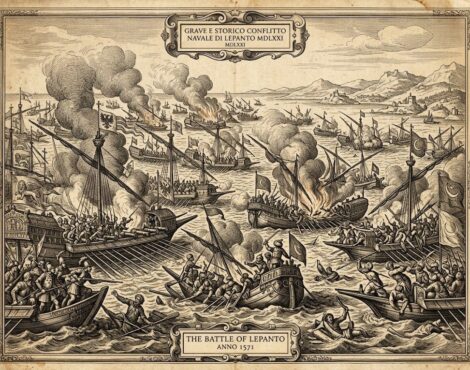
These fortifications proved effective, as Corfu managed to resist major Ottoman attacks in 1537, 1571, and 1716, the last of which resulted in a major victory against the Ottomans under the leadership of Johann Matthias von der Schulenburg.
Corfu’s economy relied primarily on agriculture, trade, and maritime activities. The Venetians promoted olive cultivation, which remains one of the island’s main products to this day. With the establishment of olive presses, Corfu became a significant center for olive oil production and export in the Mediterranean. Corfu’s trade was closely linked to Venice, with the island serving as a commercial hub for goods arriving from both the East and the West. Meanwhile, navigation and fishing played an important role in the economic life of Corfiots, especially for those living in poorer conditions.
Venetian cultural influence was evident in all aspects of life in Corfu. The city of Corfu acquired a Venetian character, with cobblestone alleyways (kantounia), imposing buildings, squares, and arcades reminiscent of Venice. Linguistically, while Greek remained the dominant language, Italian was widely used, particularly in administration and education. Additionally, Venetian rule greatly influenced the arts and music. The Venetians introduced opera and classical music to the island, leading to the establishment of significant cultural institutions.
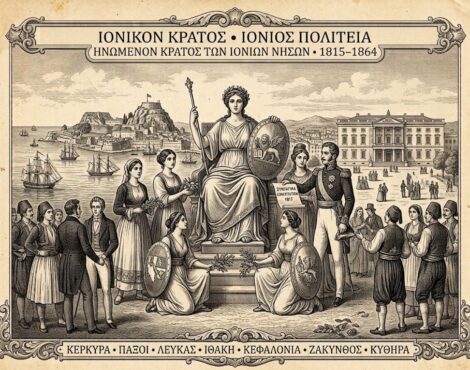
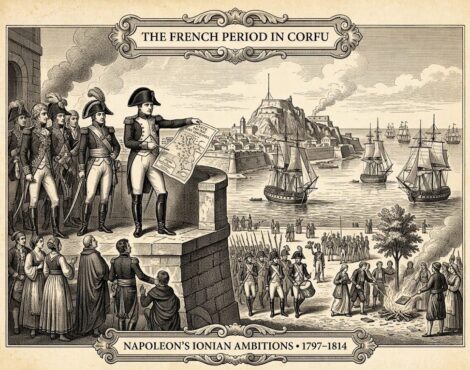
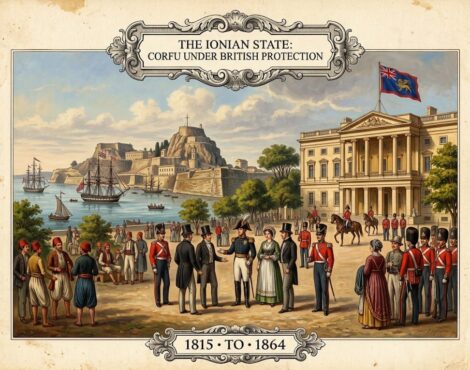
In 1797, with the signing of the Treaty of Campo Formio, Venice was dissolved by Napoleon Bonaparte, who handed over the Ionian Islands to France. The fall of Venice marked the end of Venetian rule in Corfu, ushering in a new period in the island’s history under French and later British administration.
Venetian rule in Corfu played a decisive role in shaping the island’s identity. The Venetians left a lasting legacy that influenced Corfu’s architecture, social structure, economy, and culture. Although the Venetian regime was aristocratic and class-divided, Venice protected Corfu from the Ottomans and contributed to the island’s development. Today, Corfu retains strong traces of this era, representing a unique blend of Greek and Venetian heritage.