The aroma of freshly baked bread wafting through narrow village streets has been a defining feature of Corfu traditional bakeries for centuries. These beloved establishments, known locally as “fourno,” serve as more than just places to purchase daily provisions. They represent living museums where ancient baking techniques meet community gathering spaces, preserving culinary traditions that have survived invasions, occupations, and the test of time.Across the island’s mountain villages and coastal towns, family-run bakeries continue to honor recipes passed down through generations. Wood-fired ovens, some dating back over a century, still produce the distinctive breads and pastries that define Corfiot cuisine. From the sweet mandolato and sykomaida to rustic tsoureki and traditional village bread, these bakeries offer an authentic taste of the island’s rich gastronomic heritage. Understanding Corfu traditional bakeries means discovering how food, culture, and community intertwine in ways that modern conveniences cannot replicate, making each visit a journey into the heart of Greek island life.
The history of bread making in Corfu’s villages
The tradition of bread making in Corfu’s villages stretches back centuries, deeply rooted in the island’s agricultural heritage and Mediterranean influences. Unlike mainland Greece, Corfu’s bread culture bears distinct traces of Venetian occupation, which lasted from 1386 to 1797 and left an indelible mark on local baking practices.
Village bread making was traditionally a communal activity centered around the fourno, the community wood-fired oven. Women would prepare their dough at home using locally milled flour, often from wheat grown in the fertile Ropa Valley. Each family marked their loaves with distinctive patterns or stamps to identify them when collected from the shared oven.
The process followed strict seasonal rhythms tied to agricultural cycles. During harvest time, villages produced robust sourdough loaves that could sustain workers through long days in the fields. Religious festivals demanded special breads, including the elaborate tsoureki for Easter and offerings for patron saint celebrations.
Baker families, known as fournaris, held respected positions within village society. Their expertise in maintaining optimal oven temperatures and understanding fermentation was passed down through generations. These artisans also served as informal community hubs, where villagers gathered to exchange news while waiting for their bread to bake, creating social bonds that strengthened village cohesion.
Wood-fired community ovens and their cultural significance
The wood-fired community ovens of Corfu, known locally as “fournos,” represent more than just a method of baking bread. These stone structures have served as vital social hubs in villages across the island for centuries, bringing neighbors together and strengthening communal bonds through the shared ritual of bread-making.
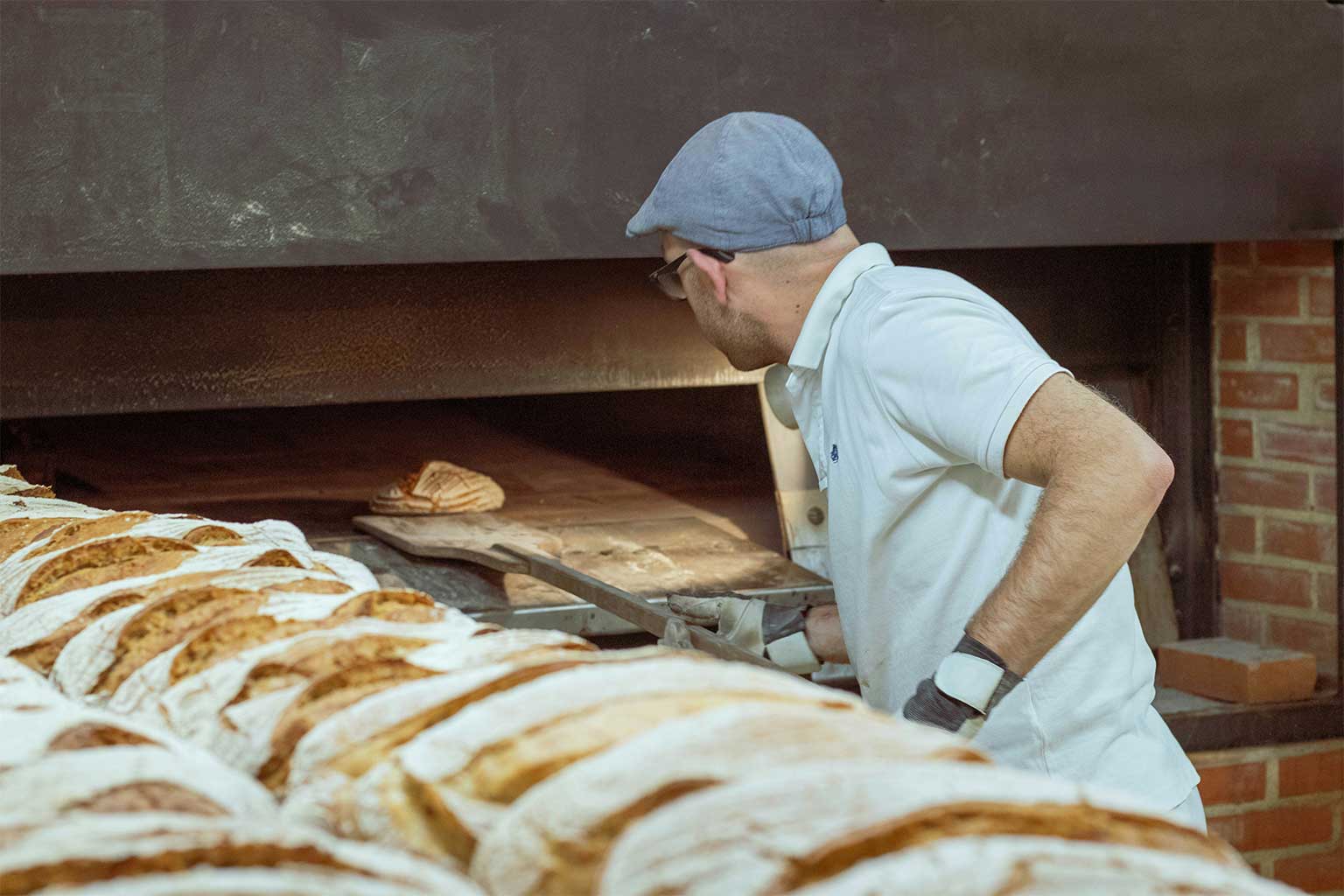
Traditionally, families would gather at the village oven on designated days, each bringing their own prepared dough marked with distinctive patterns or initials. The baker would arrange the loaves in the massive stone chamber, heated to optimal temperatures by burning local wood such as olive or oak. This collective approach to baking ensured that every household had access to fresh bread while conserving fuel and resources.
The cultural significance of these ovens extends beyond practicality. They functioned as informal community centers where women exchanged recipes, shared news, and maintained social connections. The act of waiting for bread to bake created natural opportunities for conversation and relationship-building among villagers.
Many of these traditional ovens still operate today, particularly in mountain villages like Ano Korakiana and Pelekas. Some have been carefully preserved as cultural landmarks, while others continue their original function, serving locals and visitors who appreciate the distinctive flavor and texture that only wood-fired baking can produce.
Traditional Corfiot breads you must try
Corfu’s bread-making heritage reflects centuries of Greek, Venetian, and British influences, resulting in distinctive loaves that remain central to island life. Village bakeries continue producing these traditional breads using time-honored methods and locally sourced ingredients.
Tsoureki stands as one of Corfu’s most beloved breads, particularly during Easter celebrations. This sweet, braided bread features mahlepi and mastic for its characteristic flavor and tender crumb. While tsoureki appears throughout Greece, Corfiot versions often incorporate extra butter and a glossy egg wash that creates a rich, golden crust.
Ladenia represents the island’s everyday bread, a rustic flatbread topped with tomatoes, onions, and olive oil. Bakers prepare this simple yet satisfying bread in wood-fired ovens, where high heat creates a crispy base while keeping the interior soft and airy.
Mandolato bread, not to be confused with the nougat confection of the same name, features a dense texture studded with raisins and nuts. Traditional bakeries produce this slightly sweet loaf for special occasions and religious festivals.
Paxemadi, the island’s version of twice-baked bread, serves as both a practical staple and cultural artifact. These hard, crunchy rusks were historically prepared for sailors and shepherds who needed long-lasting provisions. Today, locals still enjoy paxemadi softened in wine or dipped in morning coffee.
Iconic pastries and sweets from Corfu’s bakeries
Corfu’s bakeries showcase a remarkable array of pastries and sweets that reflect the island’s Venetian, French, and British influences alongside Greek traditions. These treats have become synonymous with Corfiot hospitality and remain integral to celebrations and daily life.
The most celebrated pastry is mandolato, a nougat confection made with honey, almonds, and egg whites. This chewy delicacy originated during Venetian rule and remains a year-round favorite, though it peaks in popularity during festive seasons. Another signature sweet is sikomaida, a fig-based cake combining dried figs, ouzo, and spices, pressed into dense, aromatic squares that improve with age.
Pastitsada cookies, not to be confused with the meat dish, feature butter-rich dough flavored with cinnamon and cloves. Bakeries also produce koum kouat preserves and liqueurs using the island’s famous miniature citrus fruit, often pairing these with traditional butter cookies called mantolata.
During Easter, tsoureki bread adorned with red-dyed eggs graces bakery windows, while Christmas brings melomakarona and kourabiedes. The galaktoboureko, a custard-filled phyllo pastry drenched in syrup, represents the perfect marriage of Greek and Venetian pastry techniques. Local bakeries prepare these sweets using recipes passed through generations, maintaining authentic flavors that distinguish Corfu from mainland Greece.
Where to find authentic traditional bakeries in Corfu
Corfu Town remains the hub for traditional bakeries, with several establishments preserving century-old recipes and techniques. The historic Manesis bakery on Agion Panton Street has been operating since 1890, offering authentic village-style breads and the island’s famous tsoureki. Nearby, Vakalis bakery continues to produce traditional feta and spinach pies using wood-fired ovens.
In the villages, authentic bakeries serve as community gathering points. The mountain village of Chlomos hosts a working traditional fournos where locals still bring their Sunday roasts to be cooked in the communal oven. Pelekas village maintains its historic bakery on the main square, producing fresh bread twice daily using traditional stone-ground flour.
Northern Corfu offers equally rewarding discoveries. Kassiopi’s old harbor area features a family-run bakery that has operated for four generations, specializing in honey-drenched pastries and crusty village loaves. In Acharavi, visitors find traditional bougatsa prepared each morning using methods unchanged since the 1950s.
The western villages of Liapades and Lakones maintain small bakeries where wood-fired ovens still dominate production. These establishments typically open early morning, with bread baked between 5 and 7 AM. Visitors should arrive before noon, as traditional bakeries often sell out their daily production by early afternoon, particularly during summer months when demand increases.
The art of keeping village baking traditions alive
Village bakeries across Corfu remain steadfast guardians of centuries-old techniques, with master bakers passing down their knowledge through generations of apprenticeship. These artisans wake before dawn to fire traditional wood-burning ovens, maintaining precise temperatures through an intimate understanding of their equipment that no modern technology can replicate.
The commitment to authenticity extends beyond mere nostalgia. Bakers in villages like Perithia and Doukades continue using stone-ground flour from local mills, natural leavening agents, and lengthy fermentation periods that modern commercial bakeries have abandoned for efficiency. This dedication produces bread with complex flavors and superior texture that have defined Corfiot baking for generations.
Community involvement plays a crucial role in preservation efforts. Many villages maintain communal ovens where residents gather to bake traditional specialties during religious festivals and celebrations. These gatherings serve dual purposes, producing authentic baked goods while strengthening social bonds and ensuring younger generations witness traditional methods firsthand.
Several initiatives support these artisans through cultural heritage programs and agrotourism ventures. Visitors can now participate in baking workshops, learning to shape koulouria or prepare olive bread under the guidance of experienced bakers. This exchange provides sustainable income for village bakeries while documenting techniques that might otherwise disappear, creating a living archive of Corfiot culinary heritage.